Add texture and visual interest to your next project with these techniques.

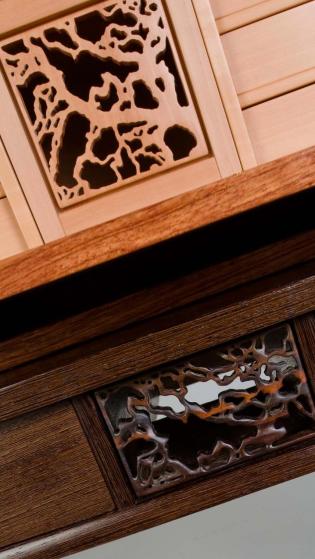
Canadian Woodworking presents a range of ideas and tips for wood artistry including, carving, intarsia, texturing, live edge, Kumiko and wood bending.
Add texture and visual interest to your next project with these techniques.
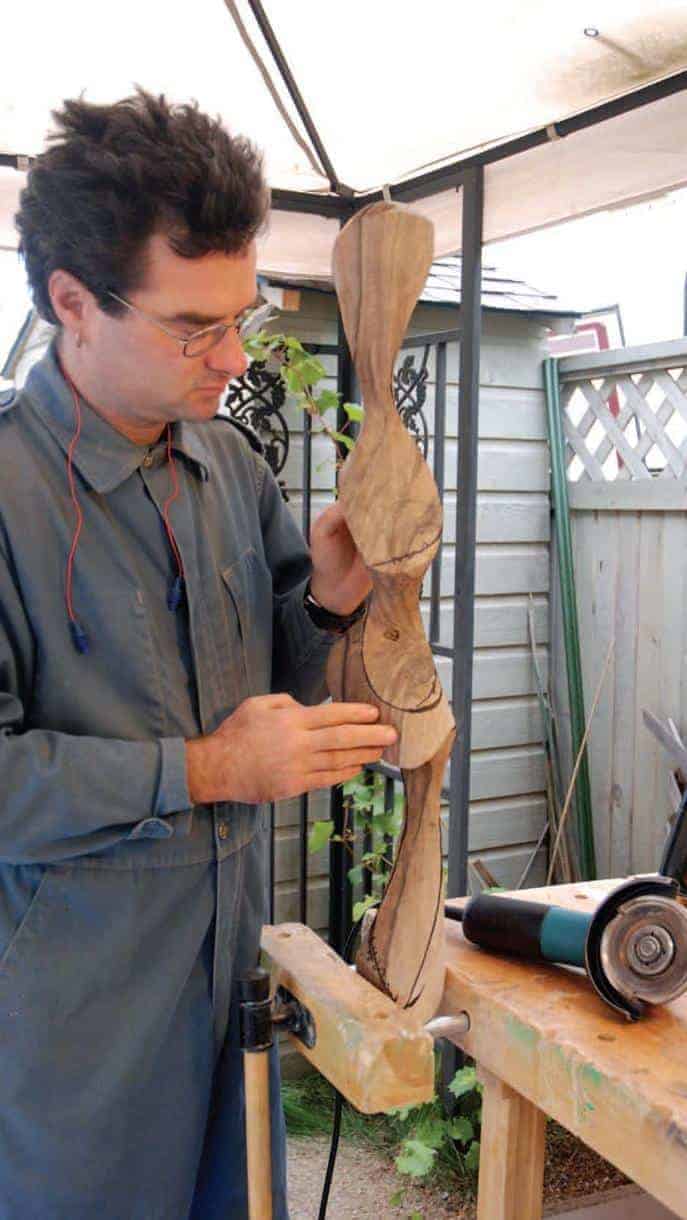
Practical tips on power tool carving tools and techniques.

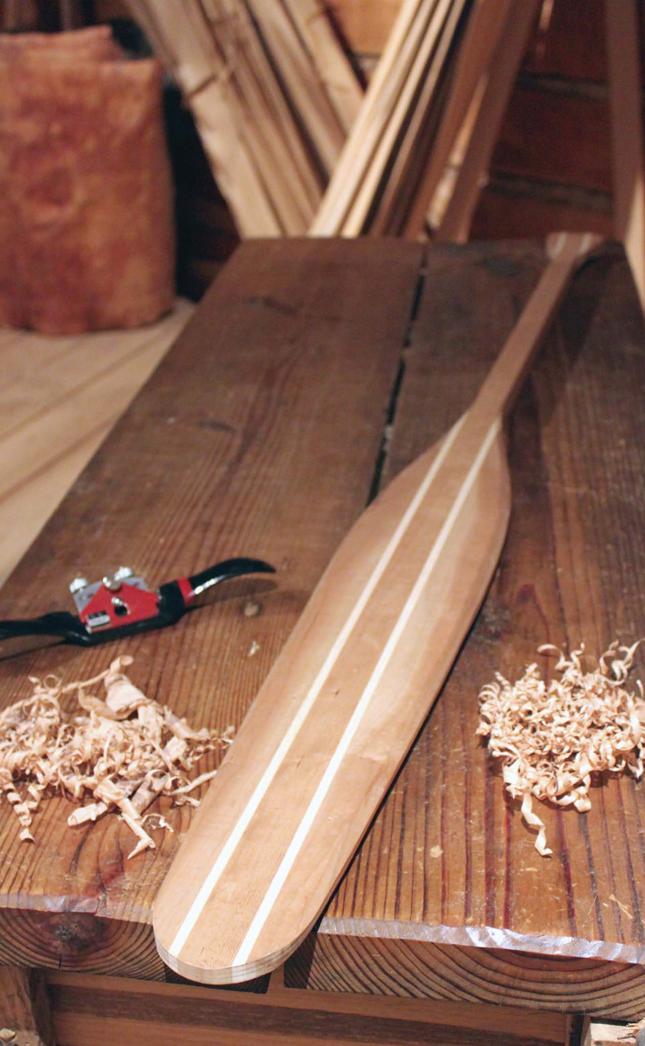
The history of paddle design and how to carve one
The paddle has a deep and rich history in Canada. With National Canoe Day on June 26th, there’s no time like the present to reacquaint yourself with the thousands of lakes and rivers this great country of ours has to offer…not to mention your spokeshave.

The Canadian Canoe Museum is home to the largest collection of canoes and kayaks in the world, but what good are canoes without paddles?
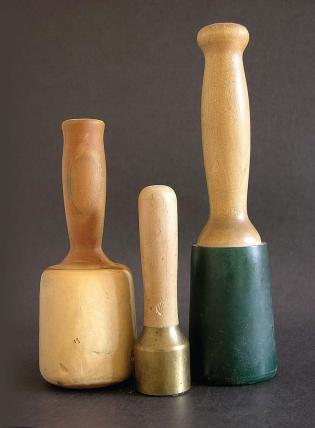
Roughing out a large carving, or even a medium-sized one, can be a very laborious process. In the interest of saving time and energy, many carvers opt for 'power'.

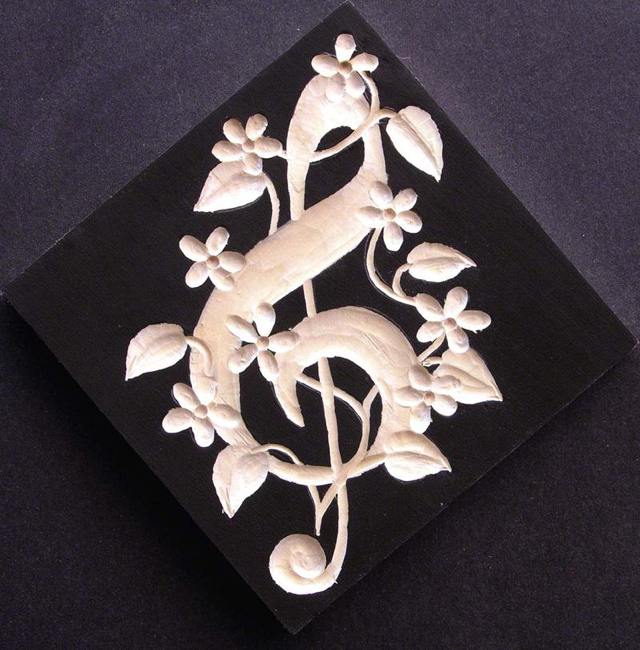
“Intaglio”, the reverse of “relief” carving, is an age-old carving technique. It involves carving everything below the surface of the wood. In other words, intaglio is carving negative rather than positive shapes.
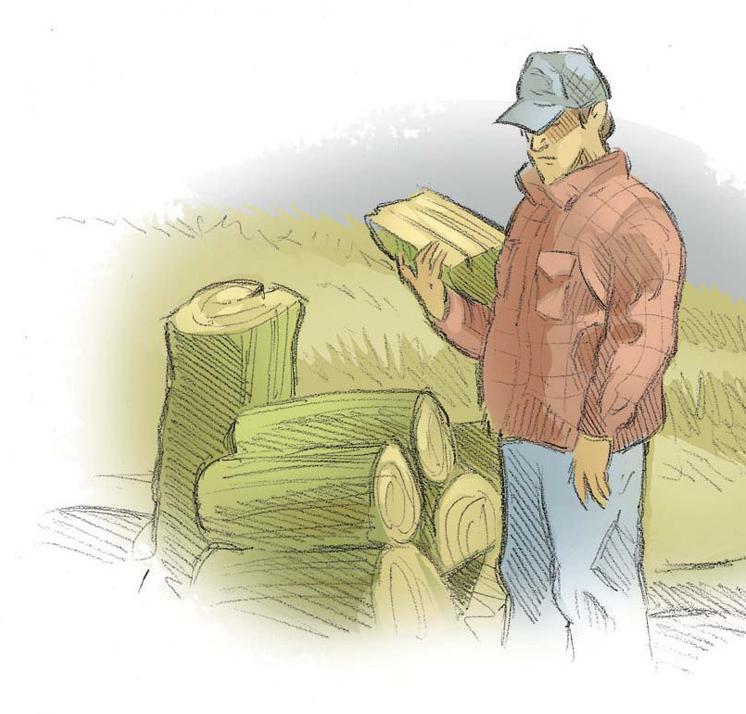
Many carvers believe that to carve, they need dry wood, but I ask, "How long are you prepared to wait?"
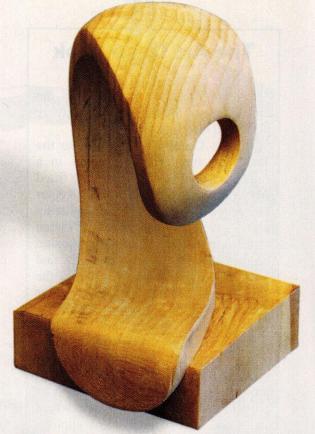
Renowned Canadian woodcarver David Bruce Johnson shares some of his top carving tricks.
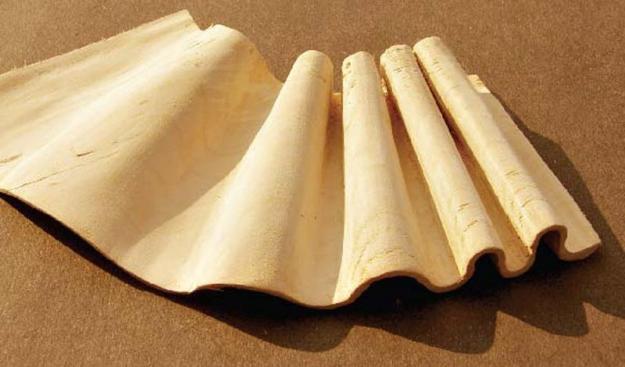
To carve any realistic object, an understanding of its construction is essential. In fact, the more you see when studying a subject, the more you will be able to reproduce it.
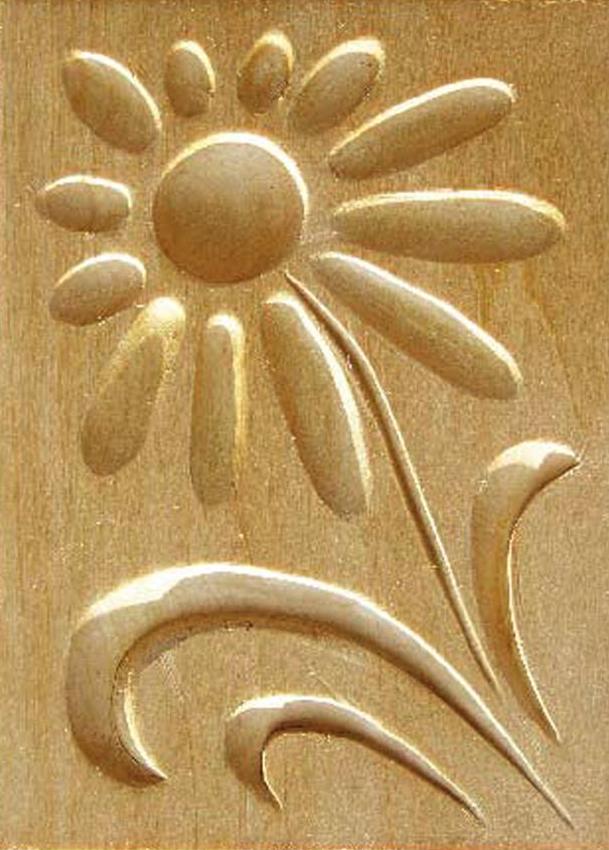
Most wood carvers are familiar with the concept of relief carving from the very beginning of their carving experience (probably even earlier).
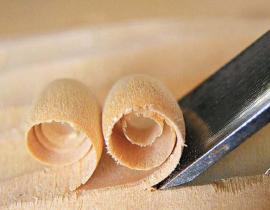
Without a doubt, "sharpening" is a skill that many carvers (and other craftsmen who work with wood) pursue endlessly with varying degrees of success.
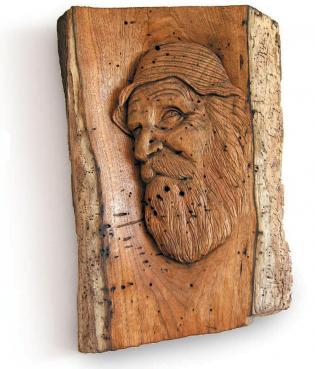
Relief carving is very appealing. Wood for carving is readily available, little working space is needed, good results can be achieved quickly.
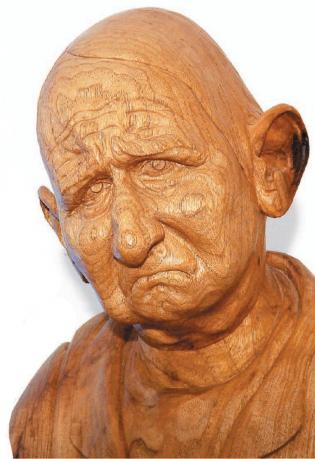
When carving wood, one thing is a certainty – you must deal with wood grain.

Direct carving – the Johnson method
Direct Carving can be defined as "the process of creating a three dimensional image without using a pattern or a clay model for reference".
When you buy a new tool, it is reasonable to think you can use it right out of the package. In many cases this isn't the case.