Imbuya
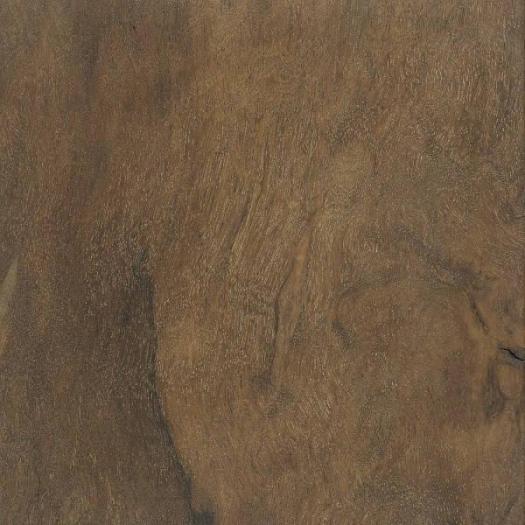
The wood displays an astonishing variety of figures with many unique and distinct colour variations.

Peter's woodworking journey began with a career in carpentry followed by a decade buying and selling veneer. His spare time is spent abusing his guitars and exploring the great outdoors.
The wood displays an astonishing variety of figures with many unique and distinct colour variations.
Mention the words Claro Walnut to woodworkers and images of large live edge table tops with Claros’ distinctive appearance come to mind.

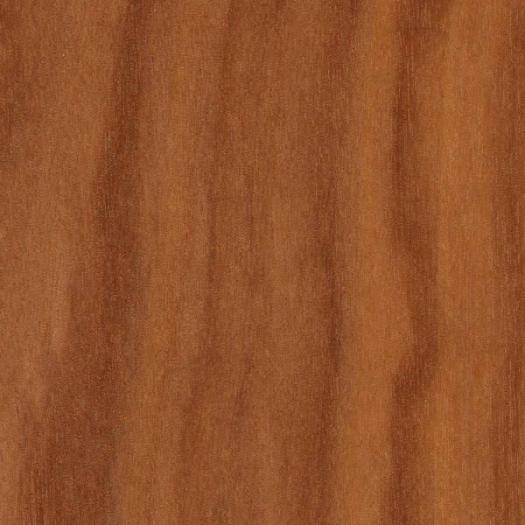
Makore has a fine texture and the grain is usually very straight. It is a naturally lustrous wood which helps exaggerate the various figure types.
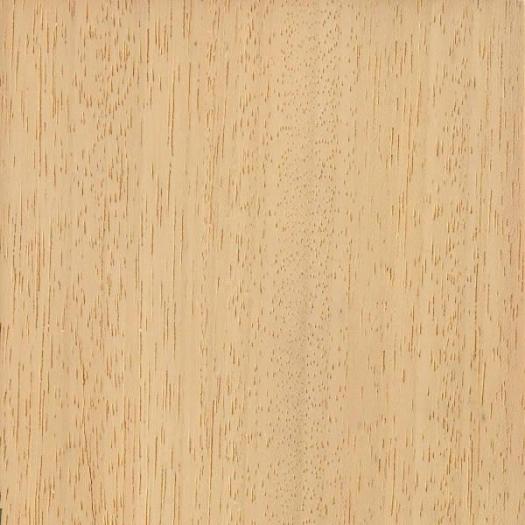
While impressive in size, Obeche has a featureless and muted appearance with little of the ‘eye candy’ figuring that attracts woodworkers. Overall, its colour is a creamy white to a straw yellow.
Rosewoods are the preeminent and valued group of woods available to woodworkers and craftspeople.
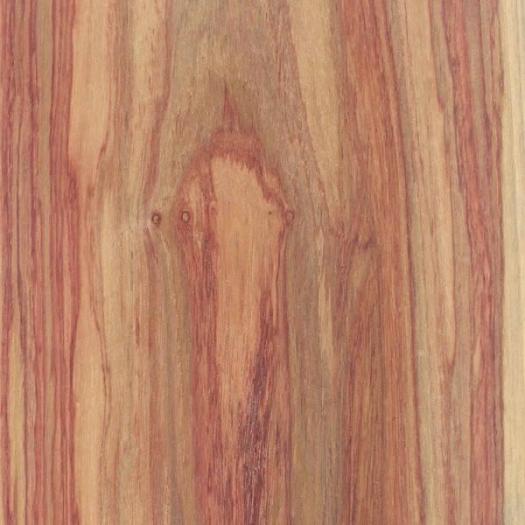
English yew (aka European yew) is a good example of a tree perfectly suited for one purpose: for making longbows.
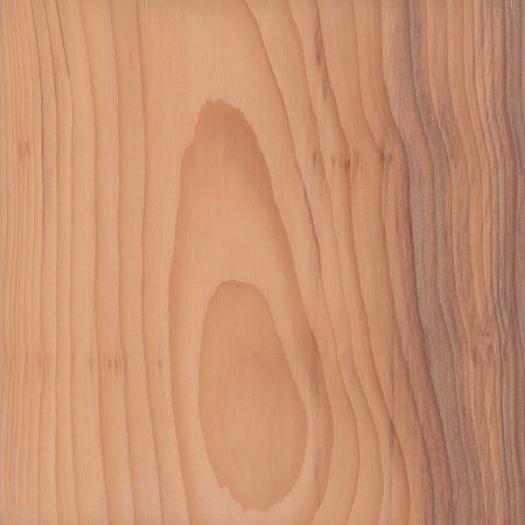
There is no shortage of beautiful woods available to the craftsmen, but, there is one species which has a flare for the dramatic and that species is Ziricote.
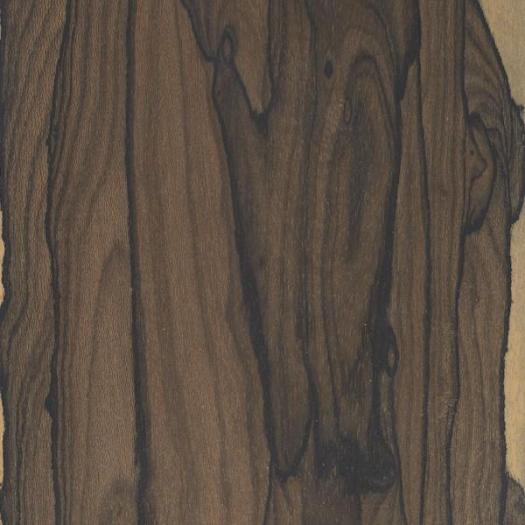
Bocote, like its close relative Ziricote, is a very beautiful wood with a unique appearance. The heartwood is an attractive yellowish-brown overlain with distinctive black lines giving the wood an active and striking figure.
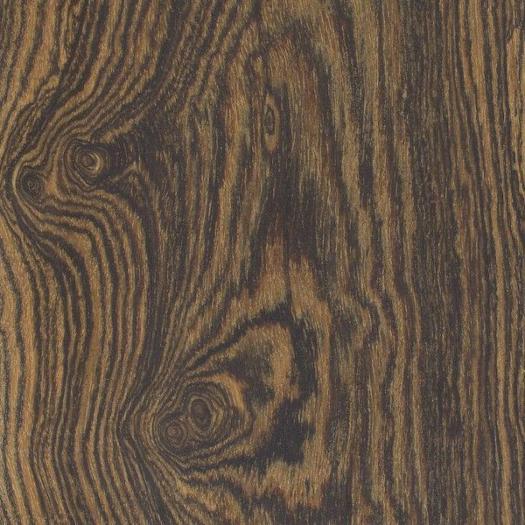
Sassafras is an exceptional tree, producing oils that give it a distinct spicy aroma that permeates all parts of the tree.
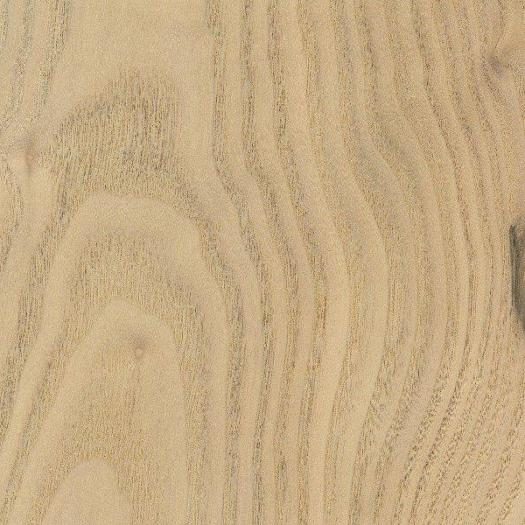
Confusion can reign when discussing Meranti (also called Lauan, Philippine mahogany and balau) and all of the products made from this important group.
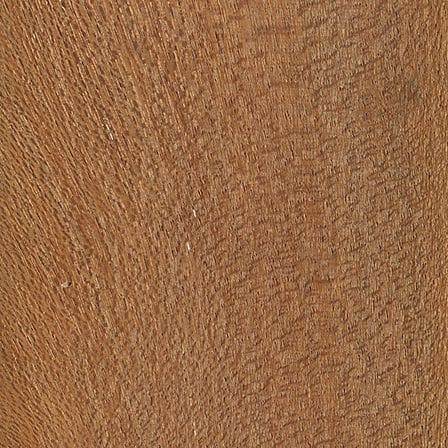
Even if you don’t want to make a pipe, Briar burls are affordable and offer the woodworker an introduction to working with burls.
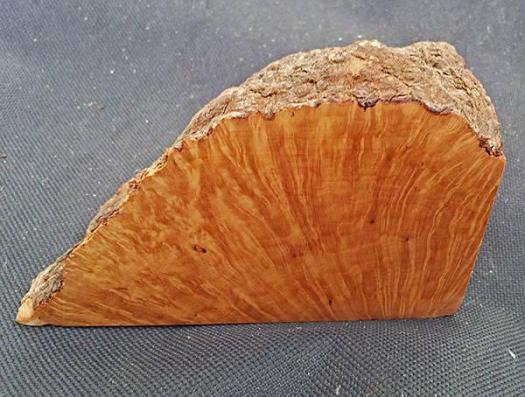
The heart is a light yellowish brown to a pinkish brown. There is no demarcation between the sap and heart, further increasing yields. The grain is straight, occasionally interlocked with a medium texture.
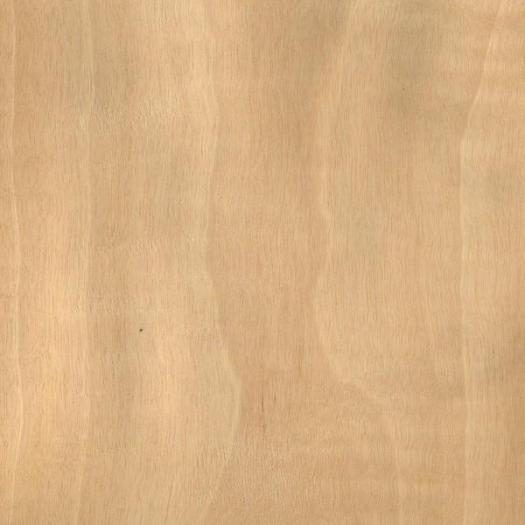
One of the world's finest woods, European walnut (aka English Walnut, Circassian Walnut, French Walnut) has a diverse and interesting history.
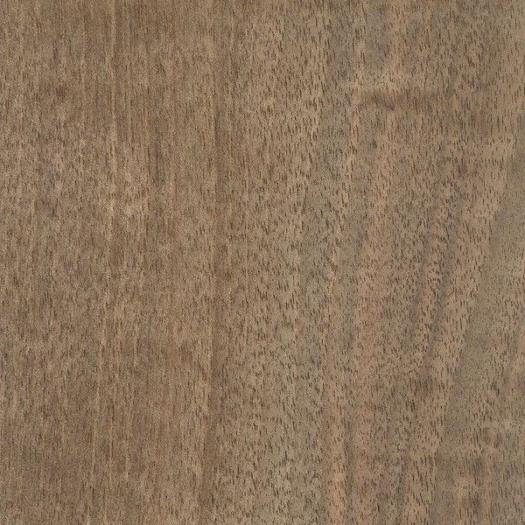
Quaking (aka Trembling) Aspen is the most widely distributed tree in North America, and is known for its distinctive rustling sound.
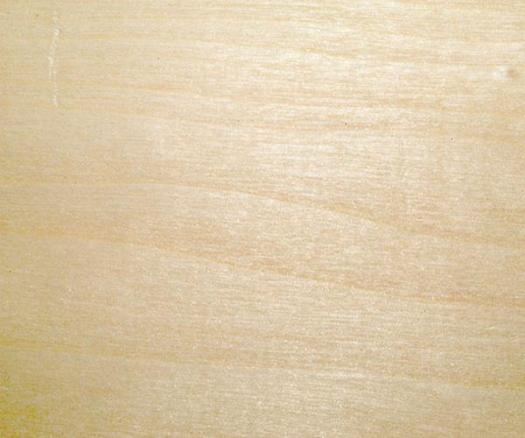
Trees belonging to the rosewood family (genus Dalbergia) are considered woodworking royalty. Beautiful to look at, tough with a rose like scent, they are used in high-end furniture, cabinetry and musical instruments.
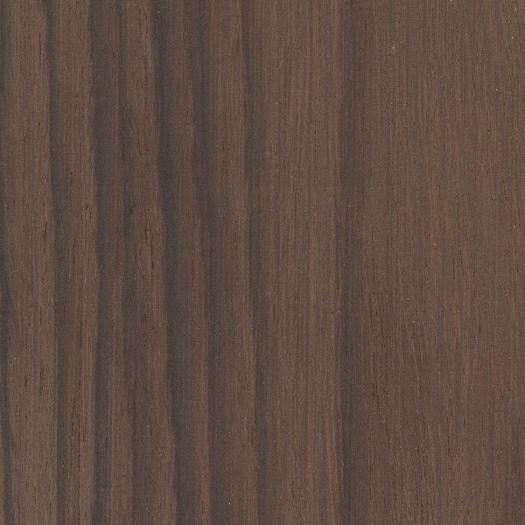
Lignum vitae is the common name for a group of six species from the genus 'Guaiacum', best known for their strength, density, and durability. Of the six species, only two (Guaiacum sanctum and Guaiacum officinale) are commonly used by the woodworking industry.
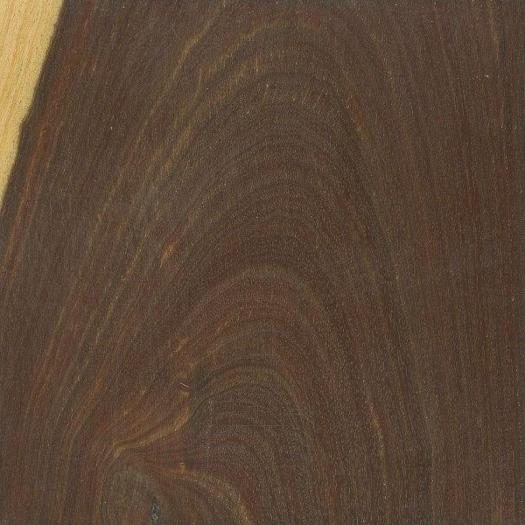
Also known as Manitoba Maple, Box Elder is a tree with a reputation both good and bad.
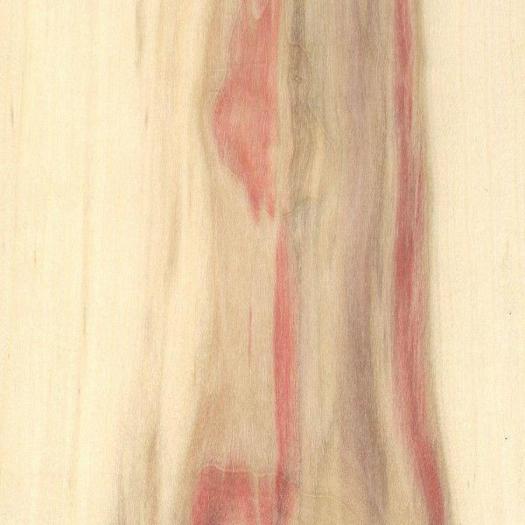
All trees have a story to tell. Pink Ivory has a story and it involves African royalty.
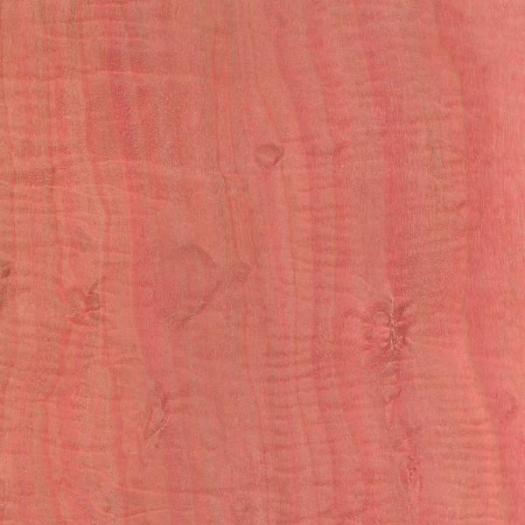
Aptly called the ‘tree of music’, African Blackwood is a well known tone wood for woodwinds and stringed instruments.
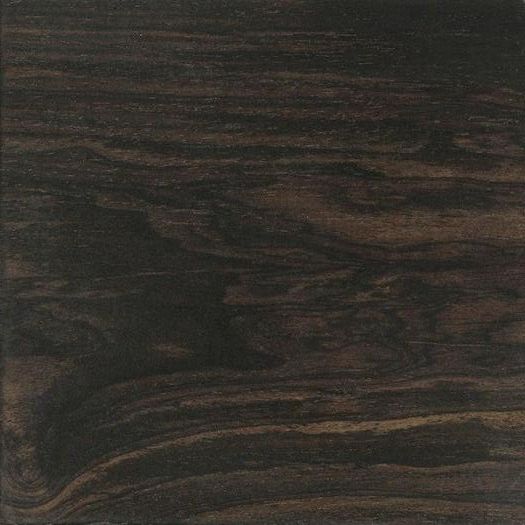
American Sycamore is the largest hardwood specie in North America. It has been called the 'Ghost tree of the forest' due to the unique appearance of its bark. Large oblong sheets of green and brown material flake off leaving a ghostly bone white bark underneath.
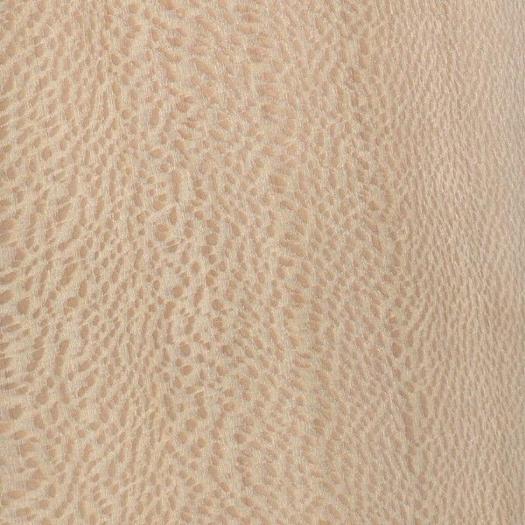
Madrone is a tree with a distinctive appearance. The bark is an orange-red, which in mature trees peels away in papery pieces revealing a greenish-silver colour underneath.
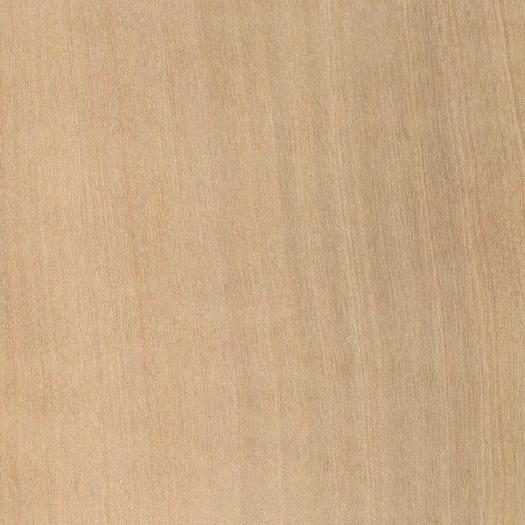
This wood can be a versatile choice for most woodworkers. It turns, planes and shapes well. It can sand to a smooth surface, although peaks and dips can be present during the sanding stage on material with uneven growth.
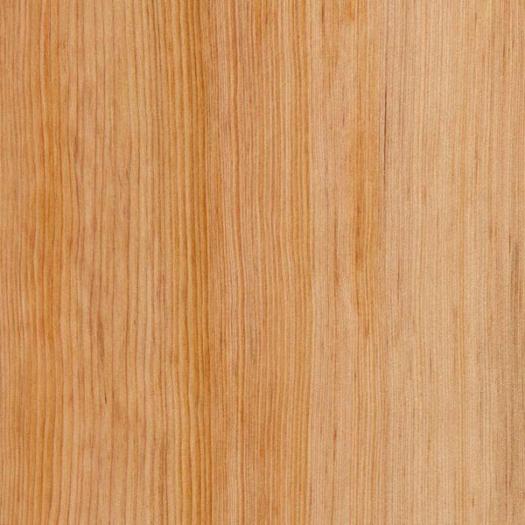
The heartwood is purple to reddish brown often with attractive black streaks giving it a distinctive and beautiful appearance. The sapwood is sharply demarcated from the heart and is a pale yellow colour.
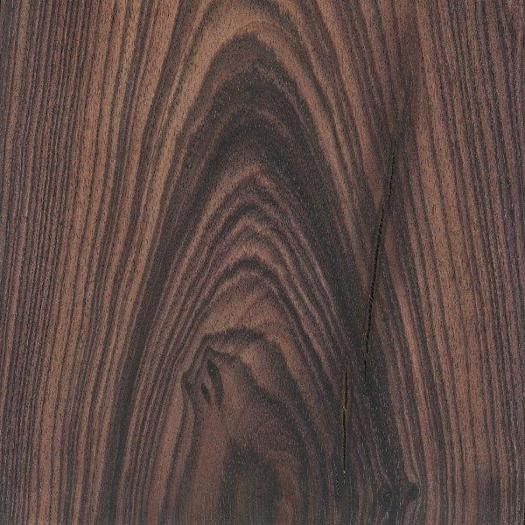
English Oak has a rich and illustrious history throughout Great Britain and Europe. Famed as a shipbuilding timber, it helped power the rise of the English Navy.