January 28, 2015
The wood has been used for veneer, trim, millwork, general construction and decking. It was outstanding for all exterior uses, especially siding. Redwood continues to be used in fine musical instruments and the curly and burl figures yield all manner of decorative objects.
January 28, 2015
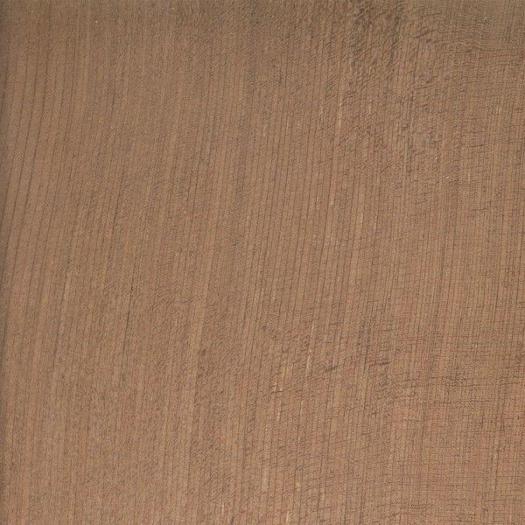
Woodworkers who appreciate the beauty of figured wood are familiar with Bigleaf maple. Fiddleback, birdseye, burl and the spectacular quilt figure are produced by this maple species endemic to the west coast of North America.
January 28, 2015
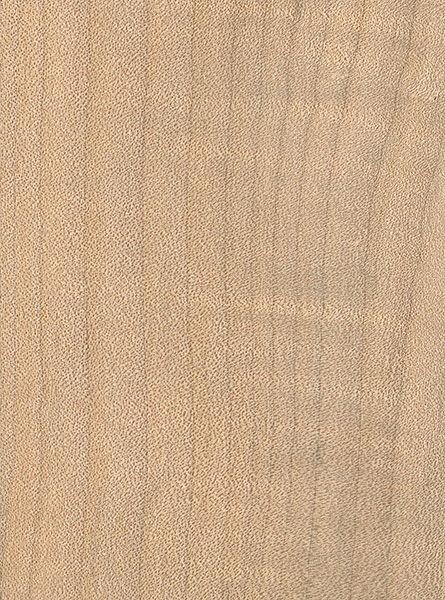
Santos Mahogany (aka Cabreuva) is a recent addition to the palette available to woodworkers.
January 28, 2015
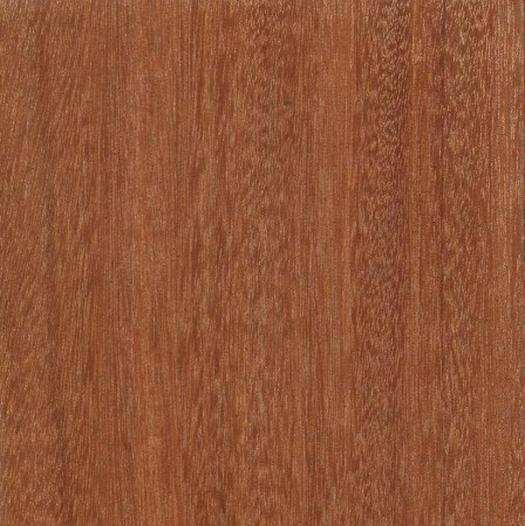
African mahogany (aka 'Khaya') is perhaps the most common substitute for Cuban mahogany (Swietenia mahagoni), the most celebrated and revered cabinet and furniture wood in the world.
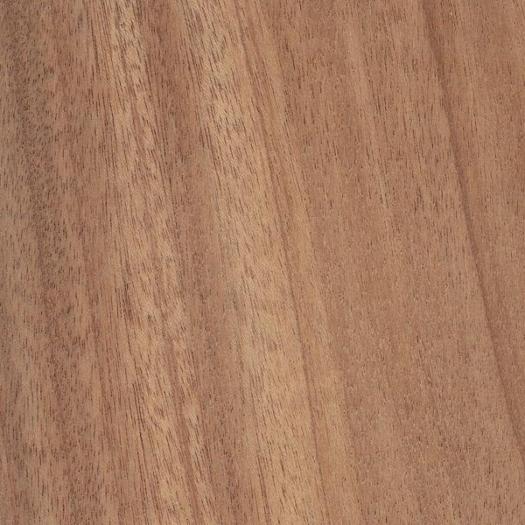
January 28, 2014
With the demise of many species of the esteemed rosewood family woodworkers have been looking for substitutes for these increasingly rare woods. Pau Ferro (also known as Santo's Rosewood) is a popular replacement.
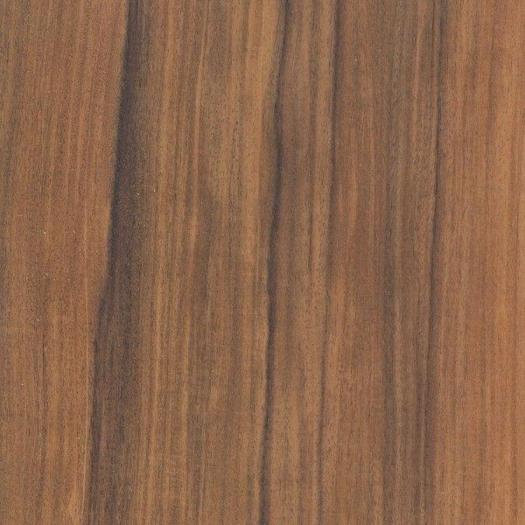
January 28, 2014
Ipe is a wood with weathering properties that make it the premium wood for exterior projects.
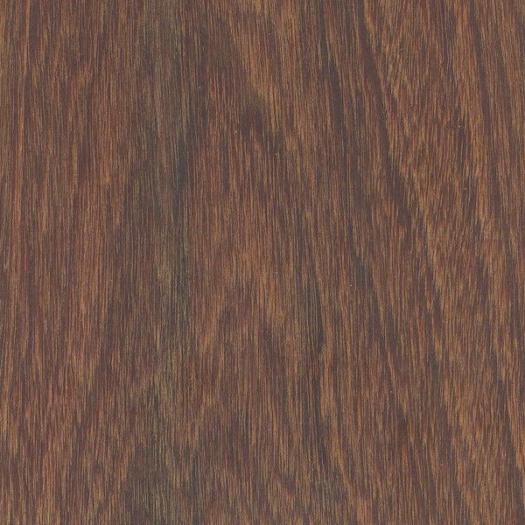
January 28, 2014
With supplies of North American Mahogany dwindling, more woodworkers are turning to Sapele as a substitute wood for use in furniture and musical instruments.
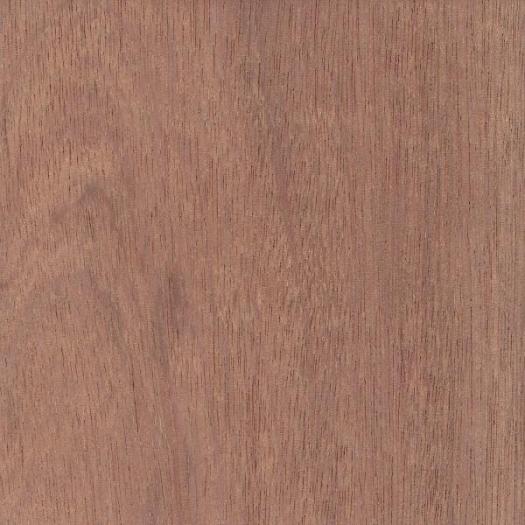
January 28, 2014
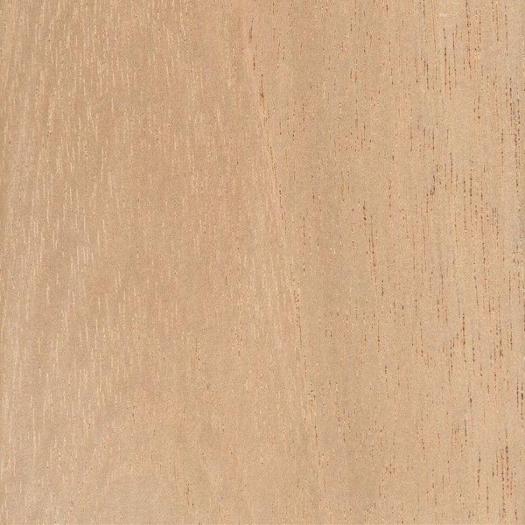
Spanish Cedar was first "discovered" during the early days of European contact with the tropical Americas. Explorers recognized its utilitarian properties.
January 28, 2014
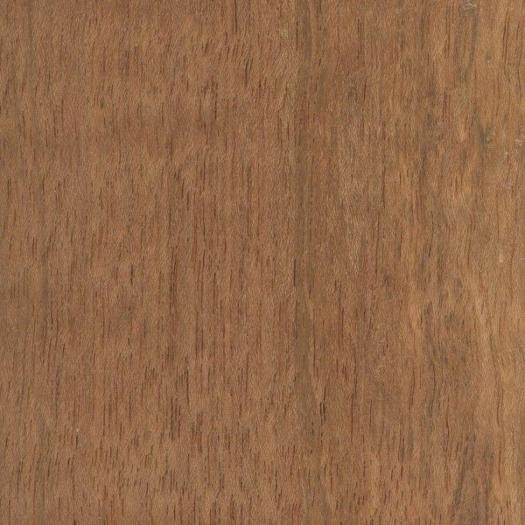
Jatoba is a very dense hardwood, perfect for flooring and stairs, which is one of the reasons it has become so popular.
January 28, 2014
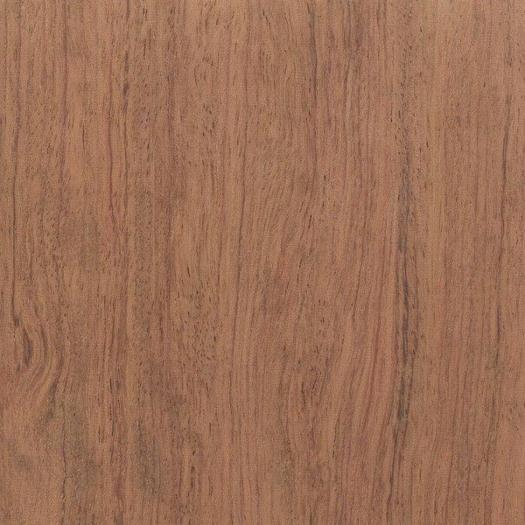
Bubinga is commonly used for furniture, tabletops, and flooring. Since it turns well, it is also used for bowls, pens, and decorative articles.
January 28, 2014
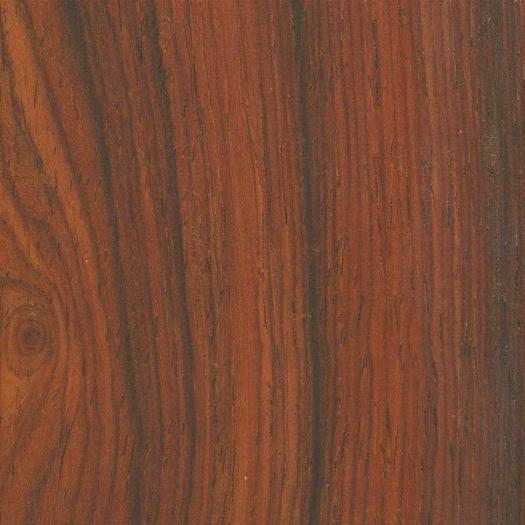
Arguably the most beautiful hardwood in the world, Cocobolo's alluring qualities have captivated generations of woodworkers and artisans alike. It is a true rosewood, a member of the genus Dalbergia.
January 28, 2014
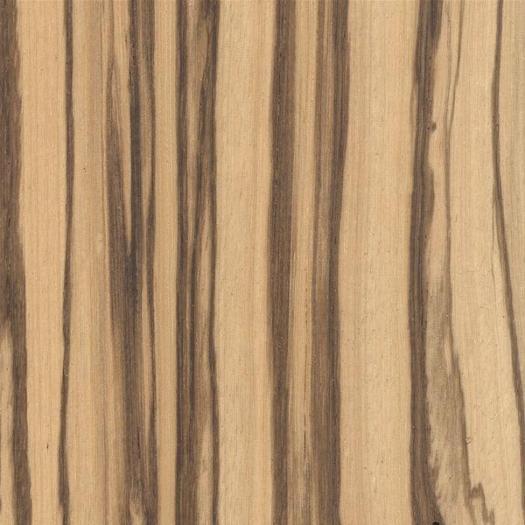
The name says it all: widely known and appreciated for the distinctive dark brown/black stripes that resemble the African zebra, the tree itself is found in West Africa, specifically the rich volcanic soils of Cameroon.
January 28, 2014
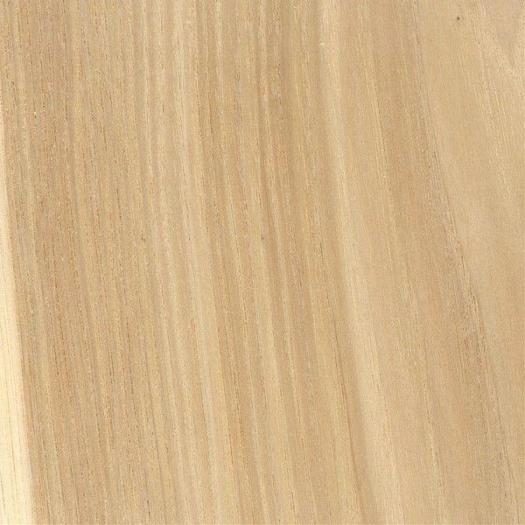
Hickory is considered the hardest of the commercially available hardwoods in North America. There may be a wood that is stronger or one that is denser, but none have hickory's unique combination of strength, density, stiffness and toughness.
January 28, 2014
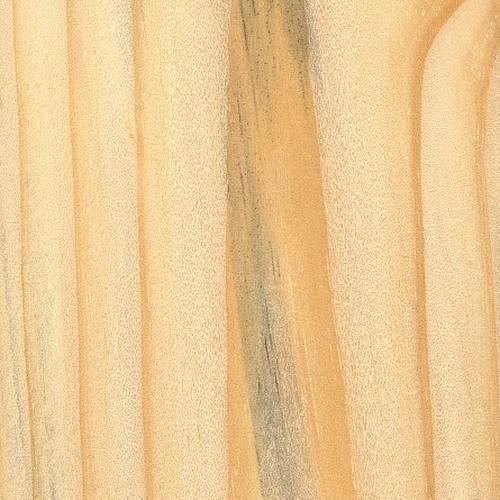
Southern Yellow Pine (often referred to as SYP) is a designated group of four species growing in the Southern United States.
January 28, 2014
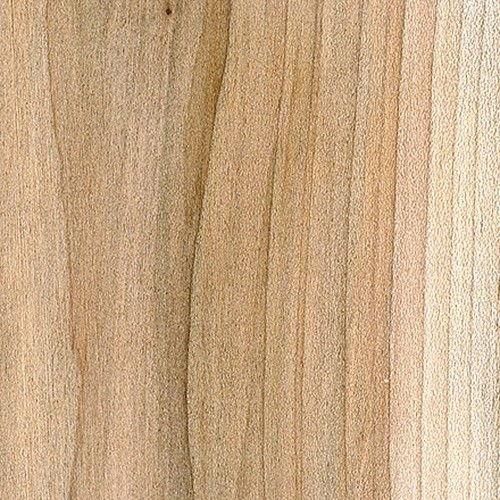
Noted for its brilliant red autumnal colours, Red Maple is one of the members of the 'soft maple' group. These maples are significantly softer than hard maple (Acer saccharum).
January 28, 2013
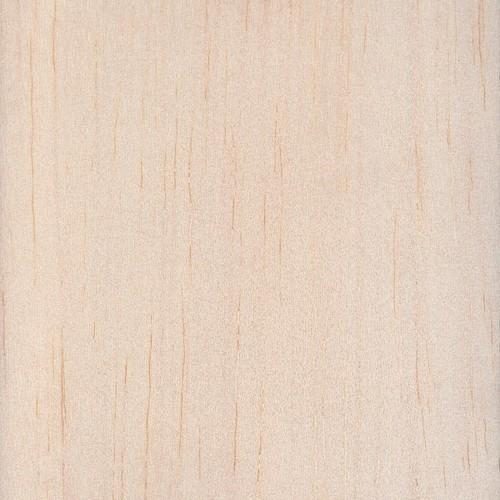
Surfboards, table tennis paddles, structural models and the famous British World War II Mosquito bomber incorporated balsa into their designs. It carves well and is considered a fine wood for whittling.
January 28, 2013
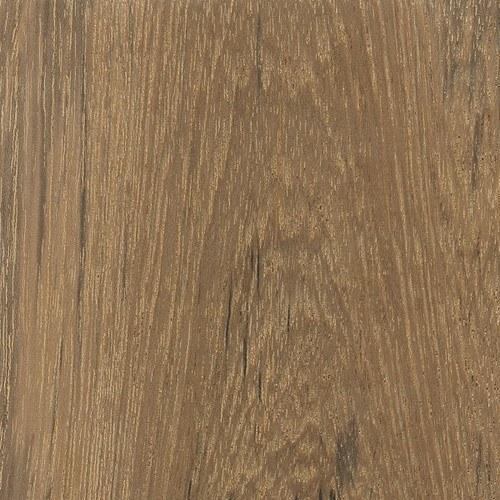
Teak is one of the world's most celebrated timbers, known for its outstanding durability, unmatched in a natural wood product. Indigenous to India, Myanmar (formerly Burma), Thailand, and Laos.
January 28, 2013
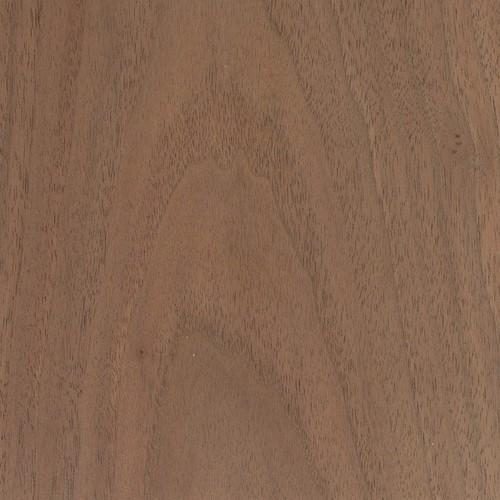
Black walnut is one of North Americas finest cabinet woods, equally valuable as lumber or sliced into decorative veneer.
January 28, 2013
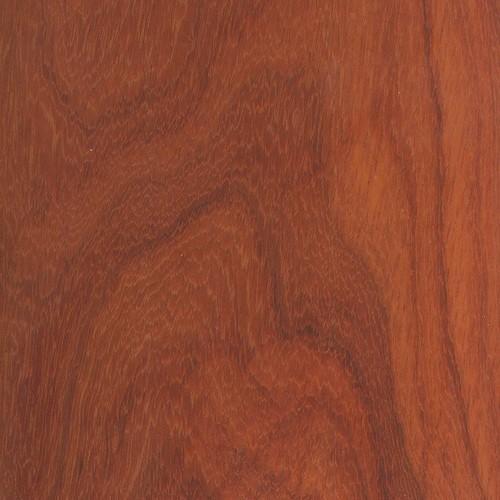
Before the introduction of aniline dyes padauk was a renowned dye wood.
January 28, 2013
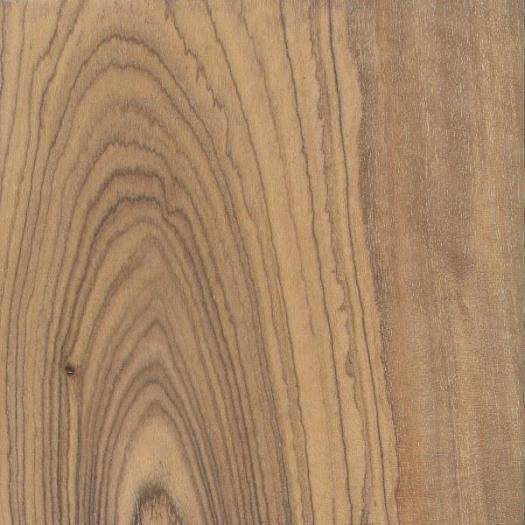
The wood is rare and expensive. Common uses include kitchen utensils, bowls, cutting boards and decorative turned objects. It is occasionally sliced into veneer.
January 28, 2013
Familiar and much loved by generations of woodworkers, genuine mahogany consists of two closely related species.
January 28, 2013
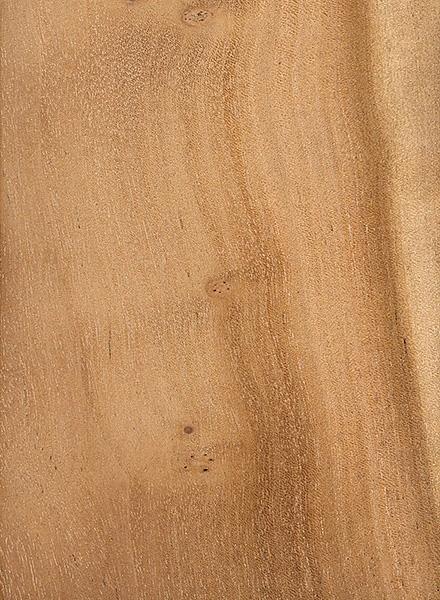
Furniture makers in the Arts and Crafts Movement, such as by Gustav Stickley, used quarter-sawn White Oak as the signature wood for their mission style furniture.
January 28, 2013
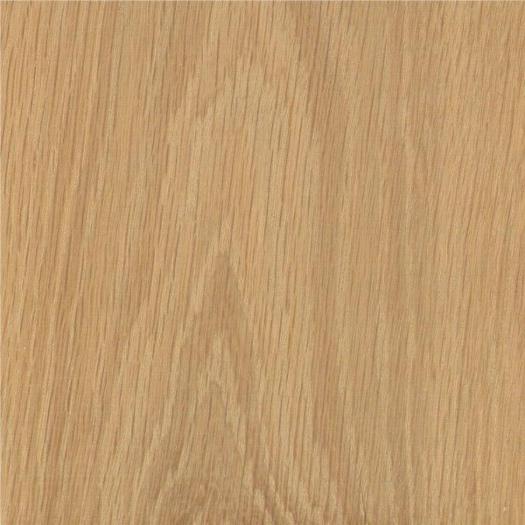
Yellow Poplar is a straight, uniformly grained wood with a medium texture. The typically large sapwood has a pale white colour, while the heart wood is a light yellow to dark green when freshly cut, but tends to age to a dark brown colour.