Drawbacks of outdoor wooden projects
Now that it’s late October, I’ve been bringing wooden items indoors, or at least putting them in our shed, to prepare for winter.


Rob is the editor at Canadian Woodworking & Home Improvement and a studio furniture maker.
Now that it’s late October, I’ve been bringing wooden items indoors, or at least putting them in our shed, to prepare for winter.
Most smaller panels don’t need a dedicated sled, but if you’re machining dadoes on longer panels this jig will give you accurate results with ease and allow you to create large projects in virtually no time.
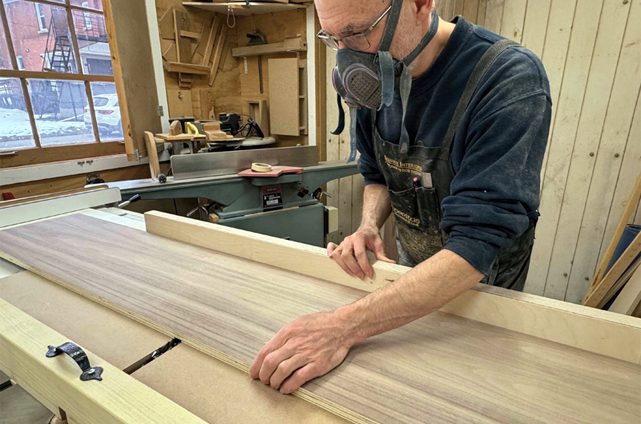
Mississauga, Ontario furniture maker Steven Der-Garabedian on patience, veneer and getting bored.
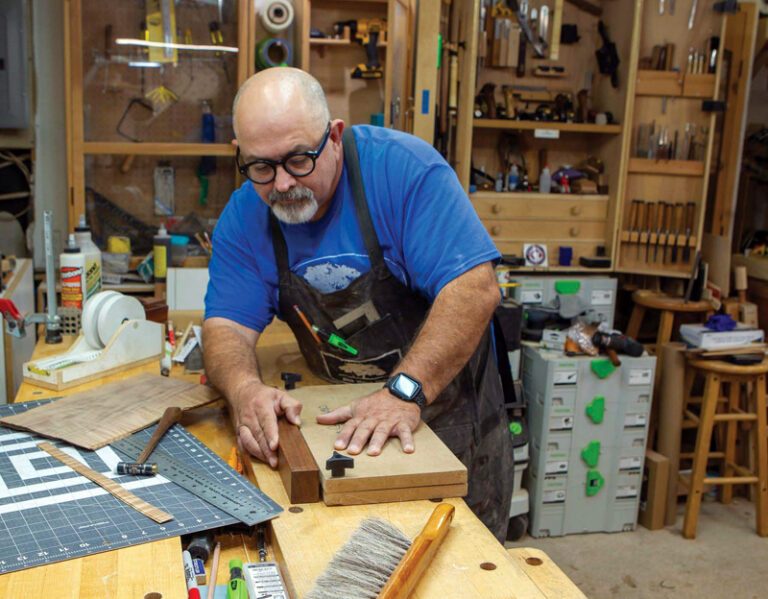
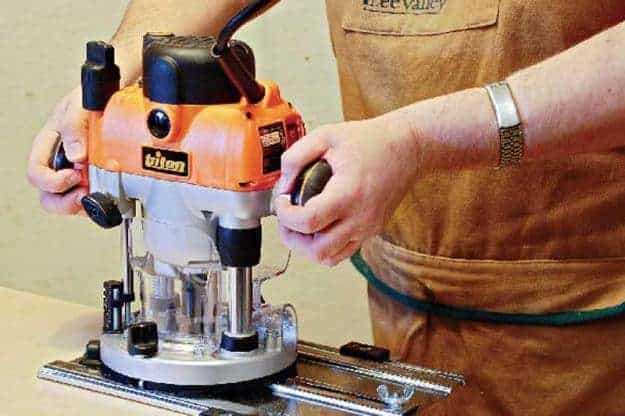
Although some of these accessories are shop-made, they’re all smaller items that contribute to better efficiency, accuracy and enjoyment when working with the almighty router.
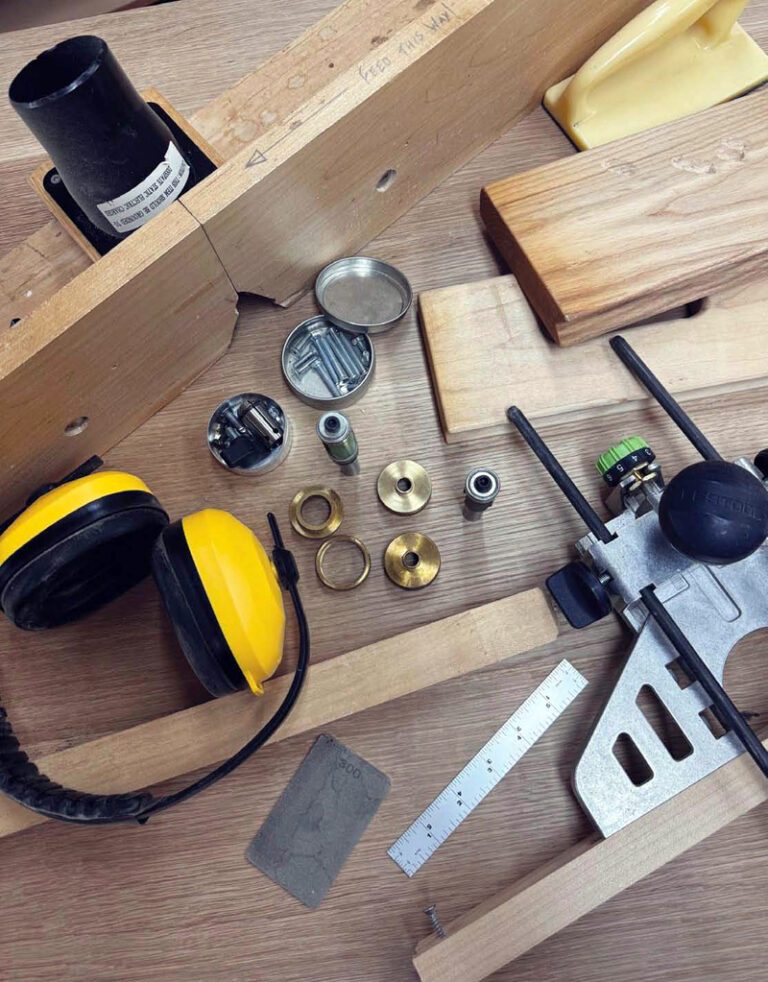
Most of my weekly columns are about wood— what we build with it or the tools we use when working with it.

There’s a table theme to the shop work I’ve been doing recently.
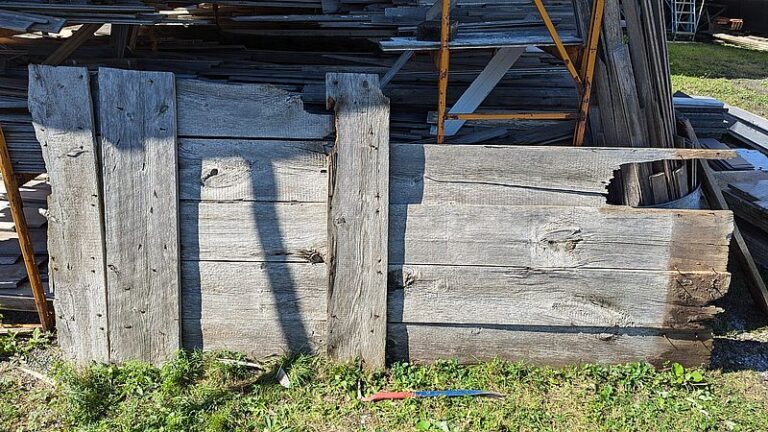
Last week’s column left off with me trying to find someone to help me flip over a heavy tabletop.
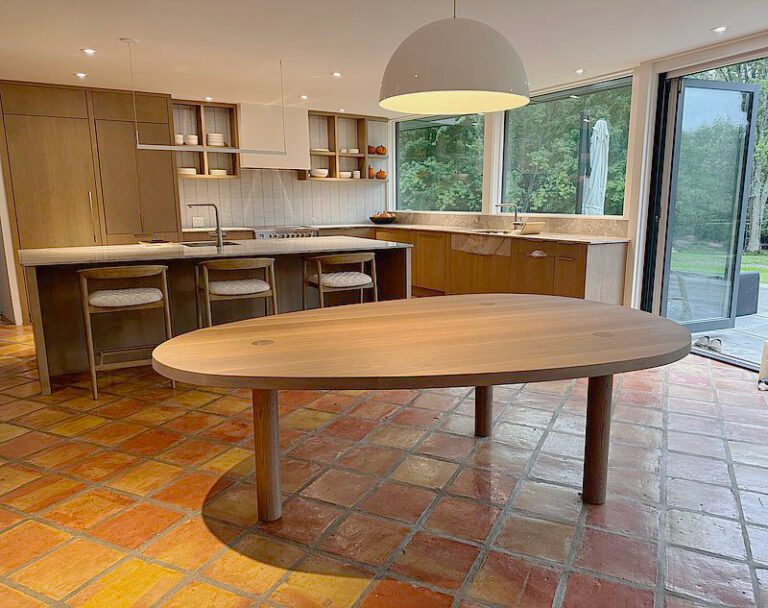
Although it’s coming along slowly, the white oak dining table I’ve been working on is looking good.
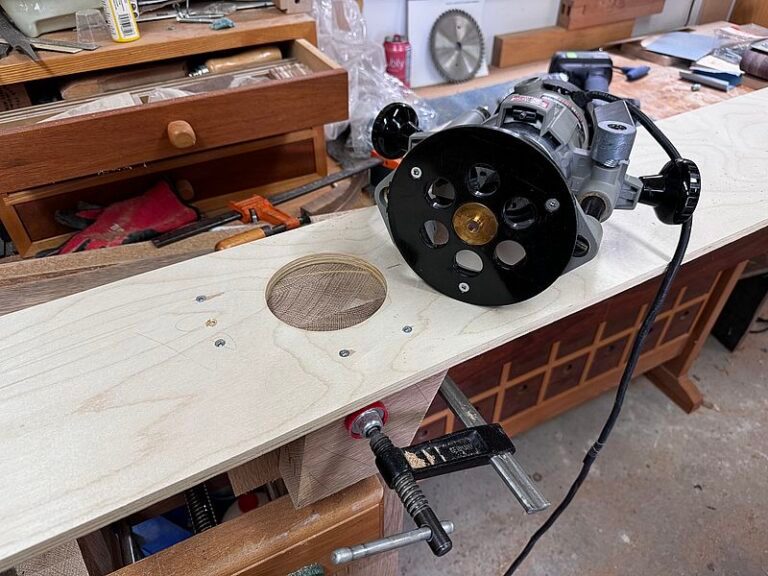
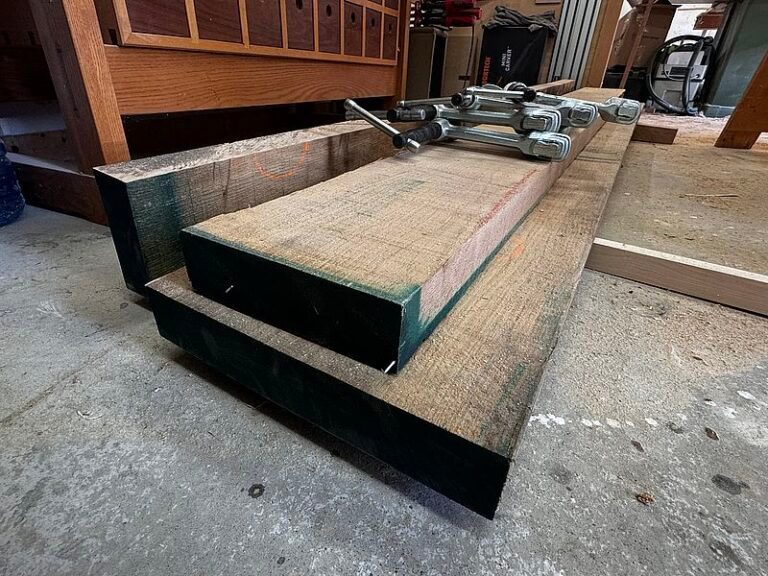
Last week I wrote about breaking out the lumber for a table I’m making.
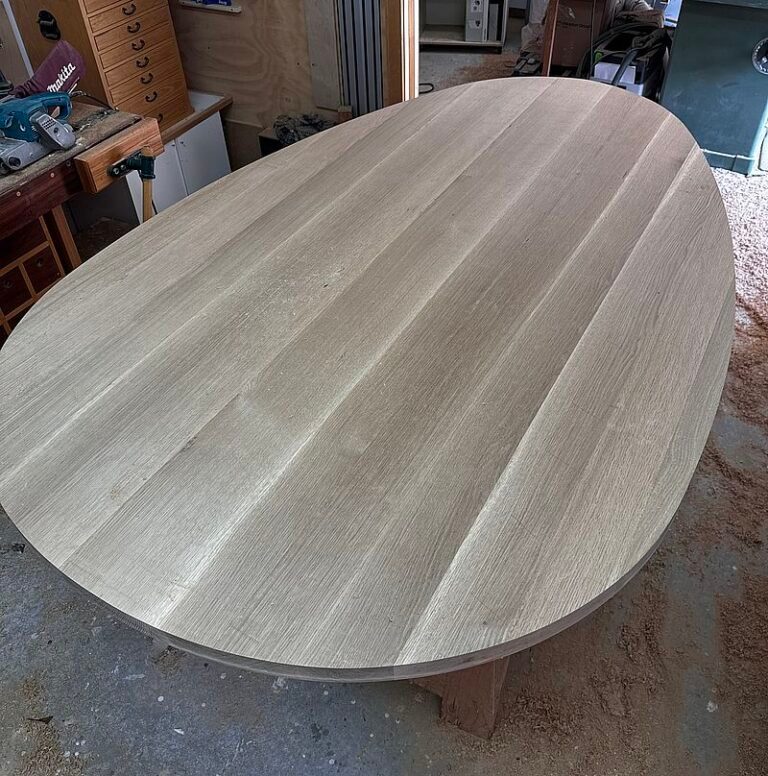
I'm in the middle of making an 90" long x 57" wide dining table from 8/4 white oak.
Straight lines are the easiest to machine. Whether you're ripping on a table saw, crosscutting with a mitre saw, running a router along a straightedge, or jointing a board, straighter is simpler.
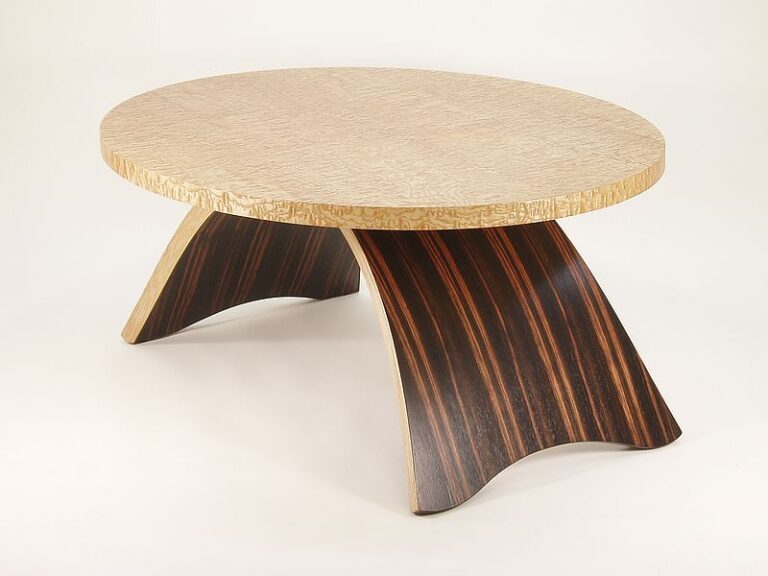
I've completed some really complex projects that have taken a long time to build.
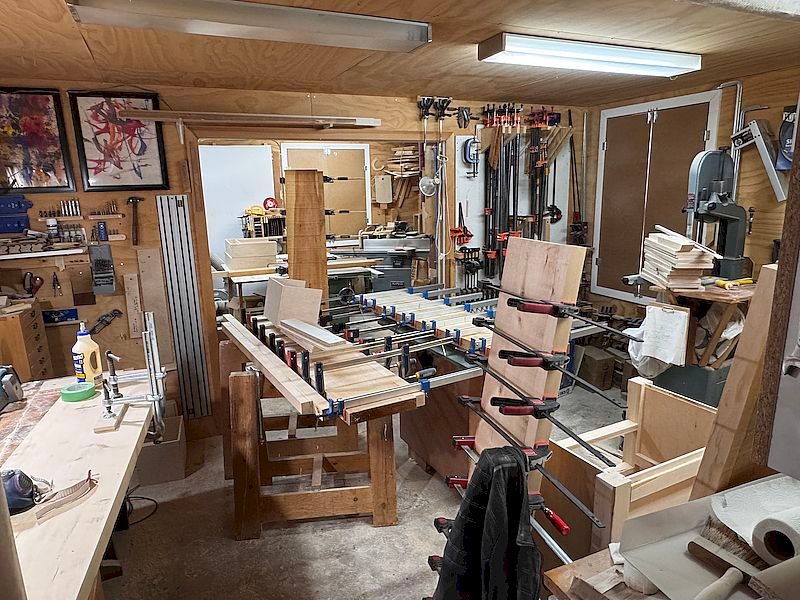
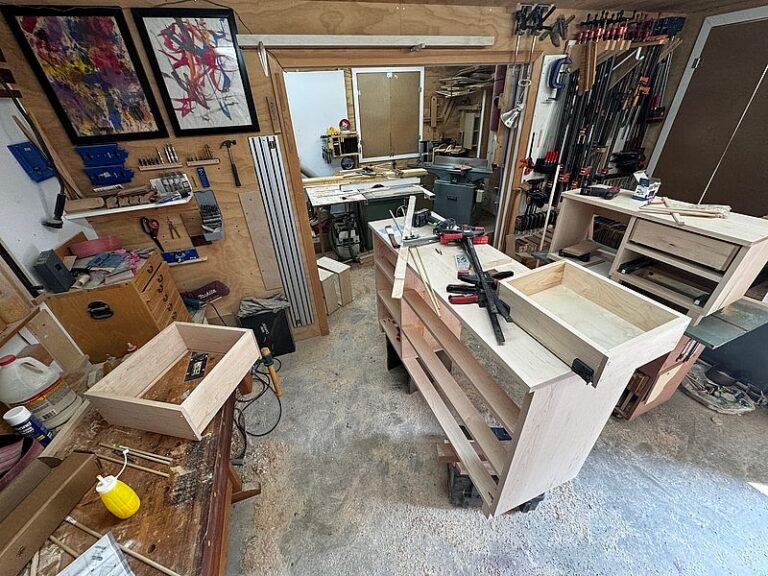
Messy workshops filled with wood chips and shavings are bad.
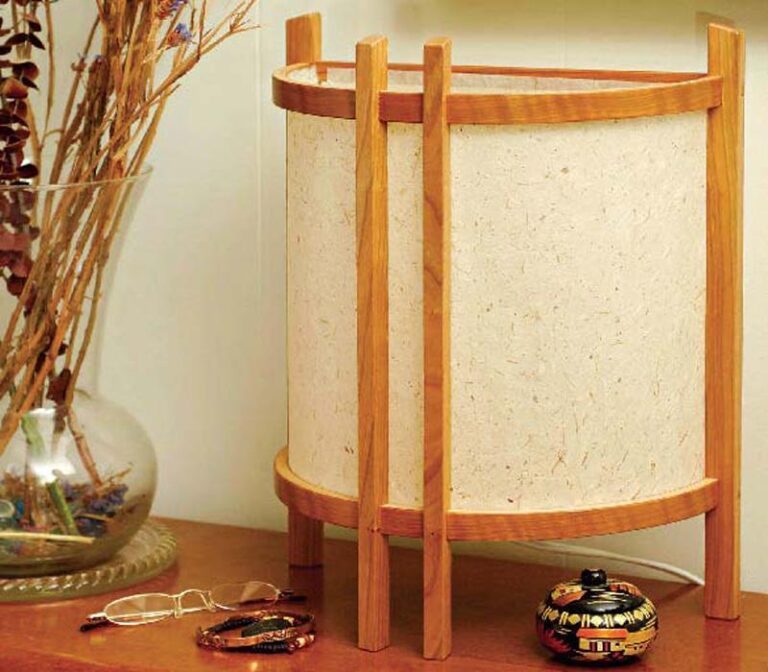
Over the past two weeks I’ve written about working with metal and stone. In my mind, a discussion about alternative materials that can be used in furniture making isn’t complete until handmade Japanese paper is covered.
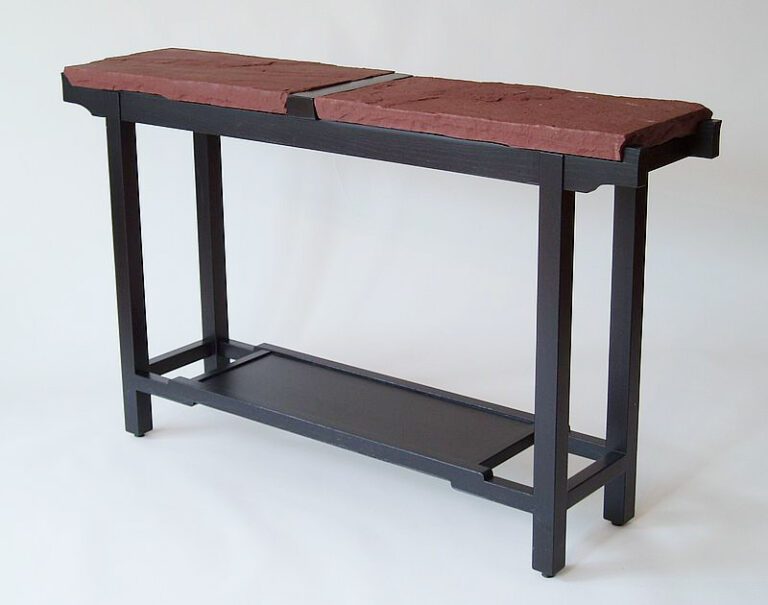
Last week I wrote about how I’ve used metal in some of my work over the past 20 years or so.
The other day, when I was trying to decide on what materials to use for a project, I almost wished I had more options to choose from than just plain old wood.
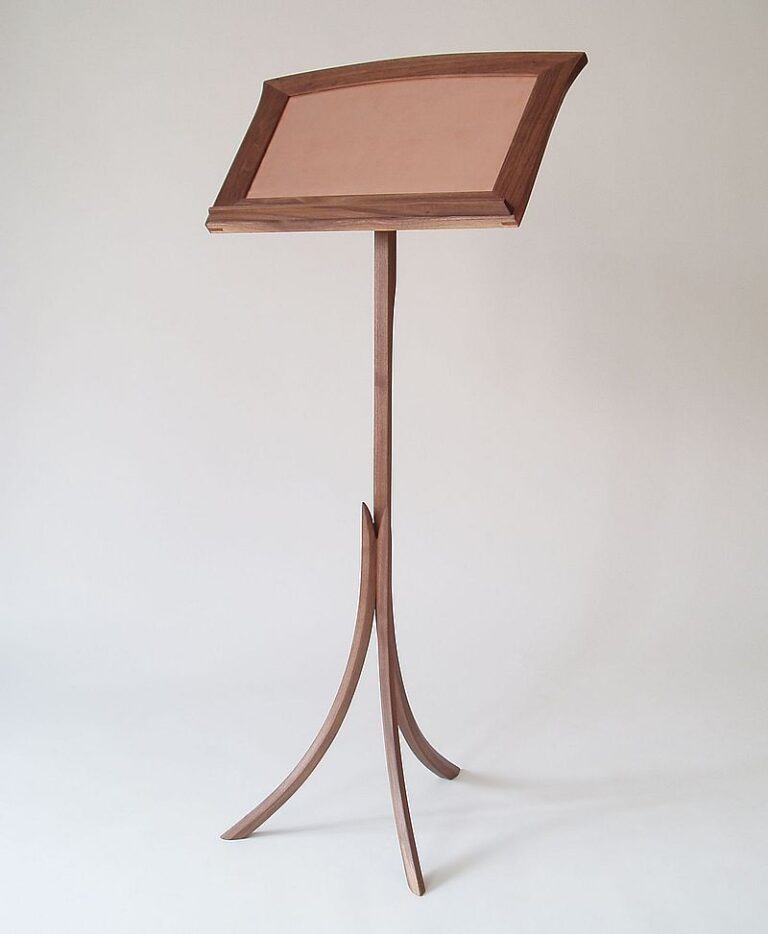
Two weeks ago, when I wrote about my wife’s misunderstanding of a few of the details in the storage unit I made, I was reminded of a few client misunderstandings I’ve had over the years.
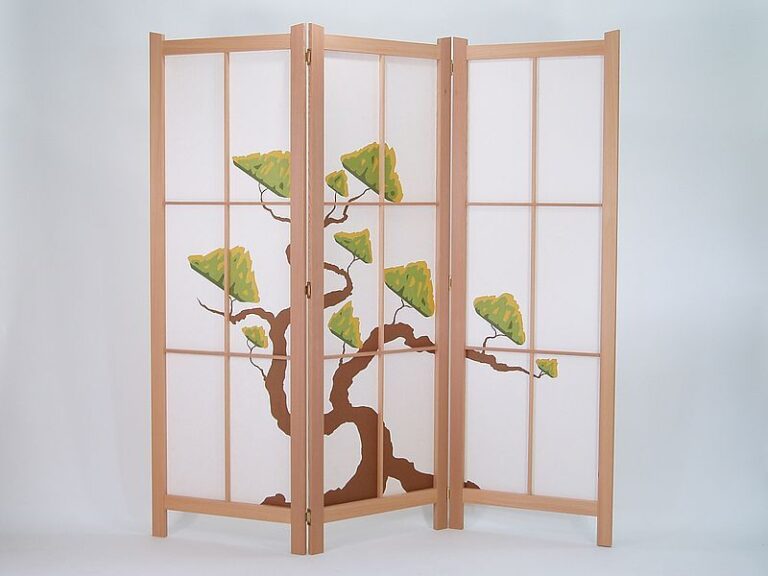
And just like that, we’re in the middle of summer. Kids are out of school, the air conditioning is on and the drone of lawnmowers fills the air.

First off, I’d like to make one thing clear; I haven’t been working full time on this medium-sized entryway storage area for the past two weeks straight, even though it sort of feels like I have been.
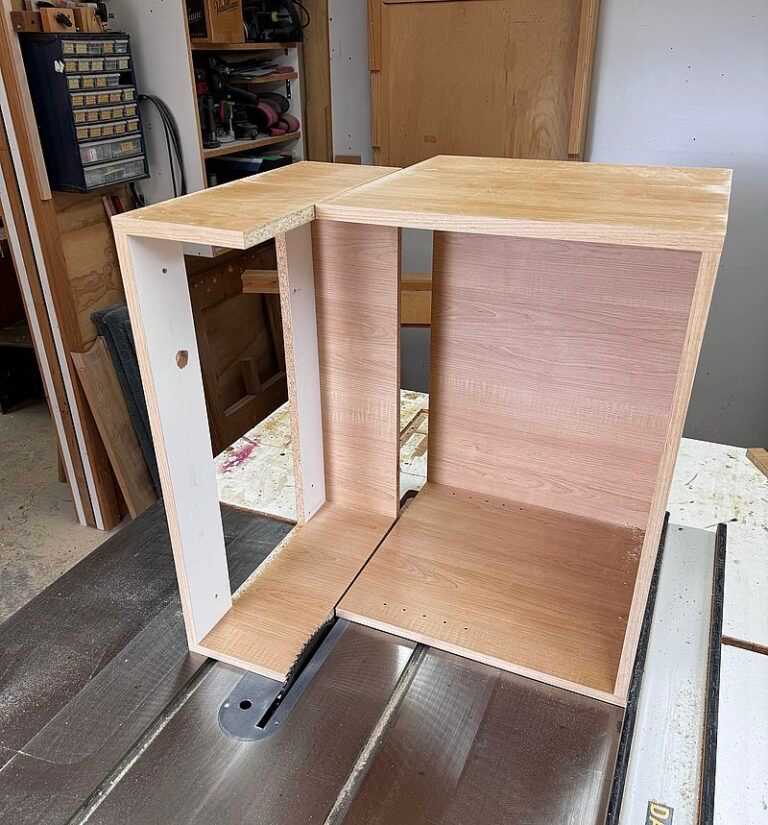
As I mentioned last week, I’m building a storage unit for our secondary entrance way.
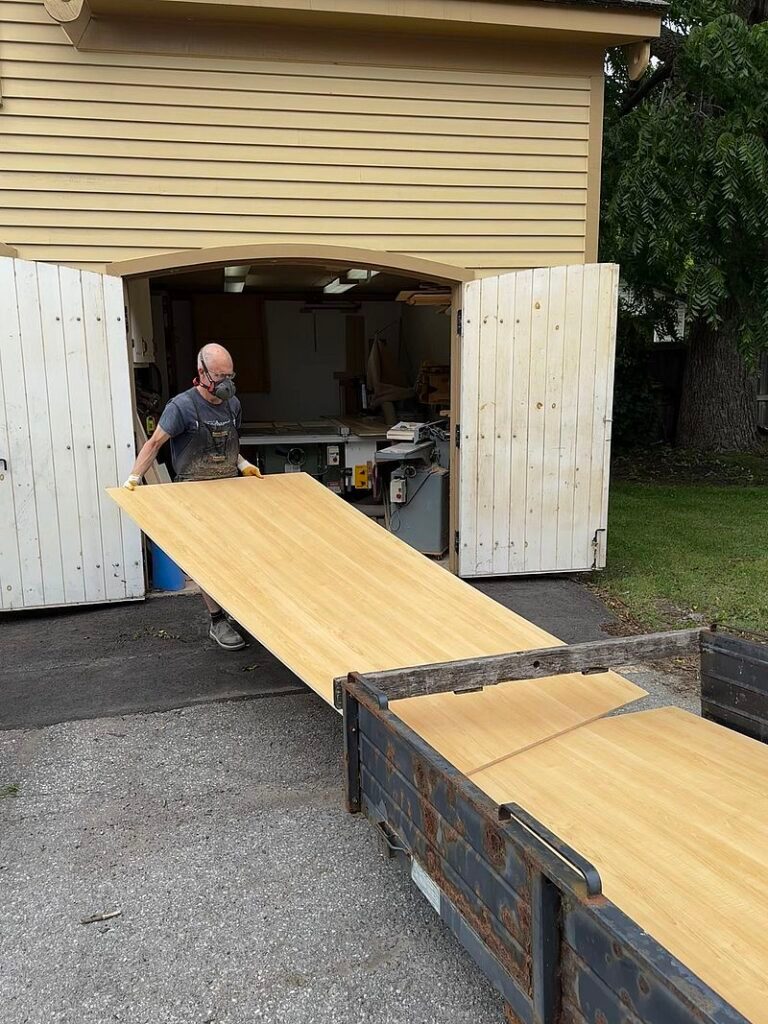
I’m just about to design and build an entryway storage unit near one of our entry doors.
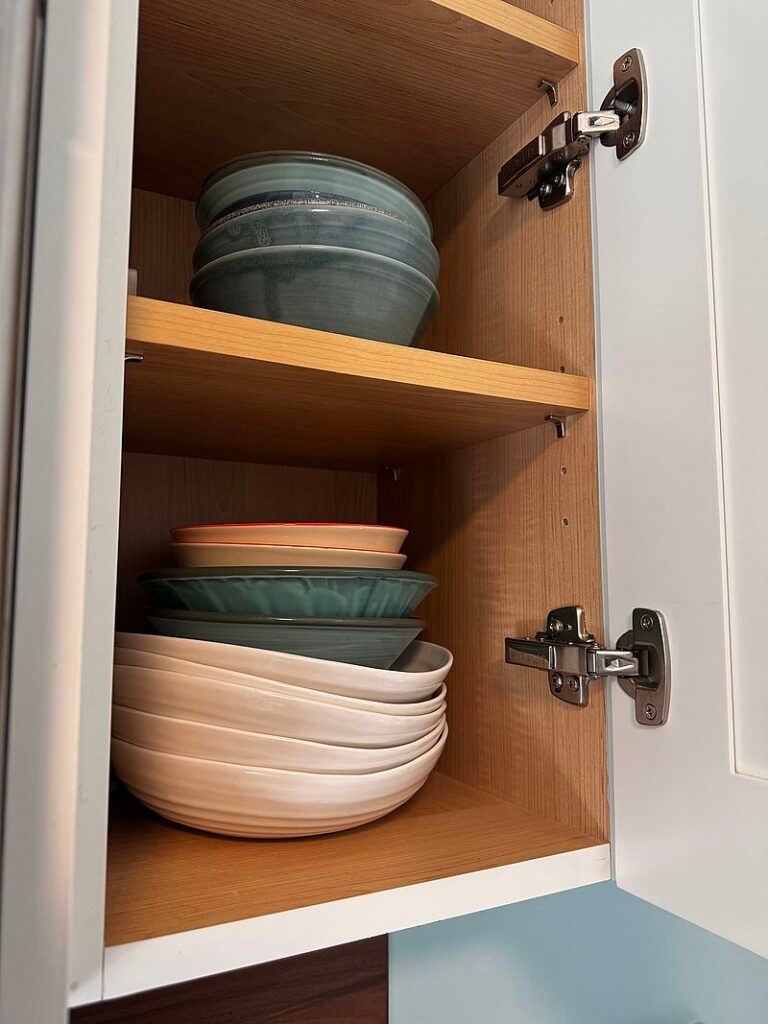
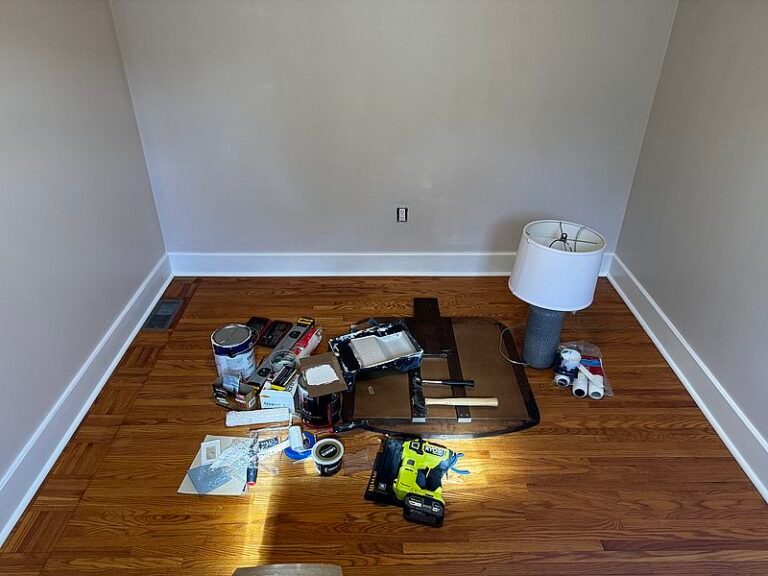
Generally speaking, I’m a pretty tidy person. I don’t make much of a mess, whether I’m at home or at the shop.
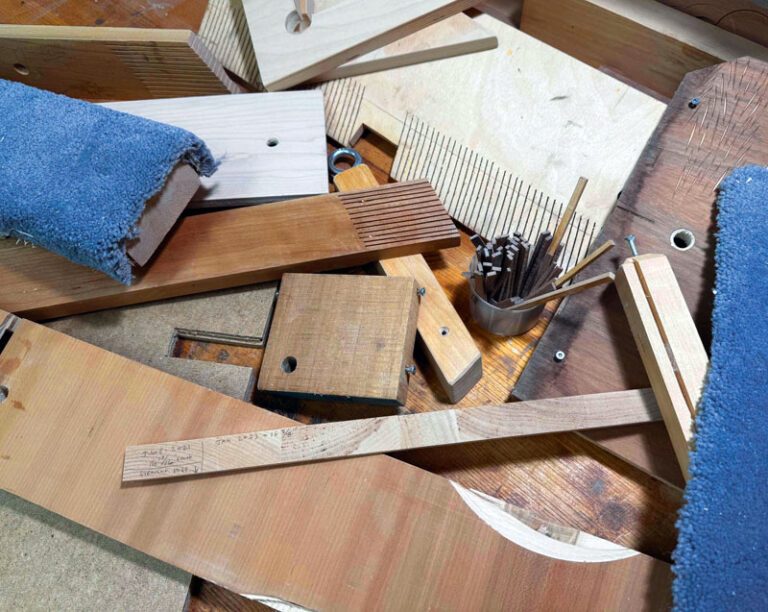
A collection of machines, power tools and hand tools in the shop is great, but until you realize you can double their potential with simple shop-made accessories, you haven’t discovered your workshop’s full potential.
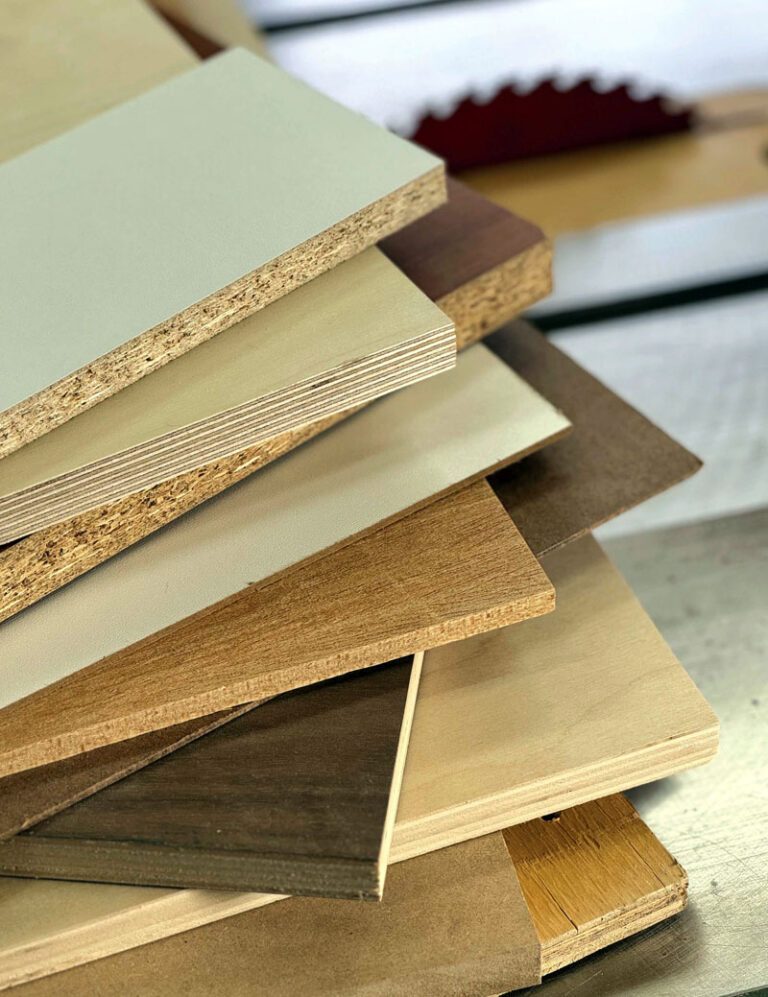
There are pros and cons to every type of sheet good. To avoid confusion when deciding what type to use, learn what the options are, and when and how to use the sheet goods properly.