The insider’s guide to buying tools
Book Report


Book Report
This project challenges the common belief that you need a full range of tools and well-developed skills to make high quality projects.
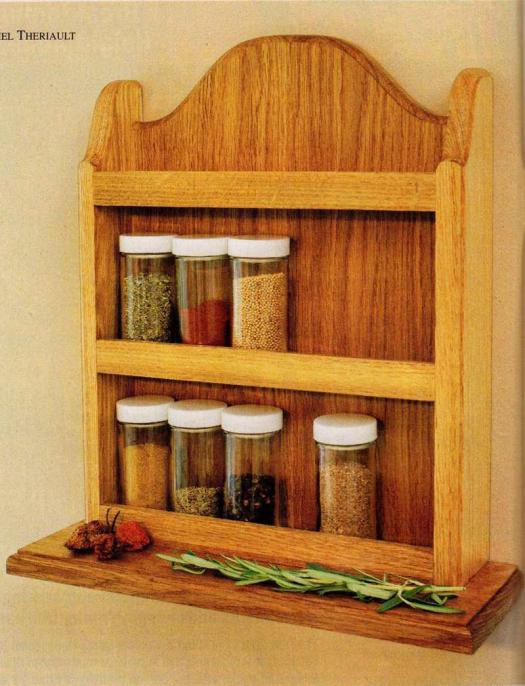
This simple spice rack keeps your spices close at hand when cooking. You can either hang it from the wall or sit it on the counter, using its optional base.
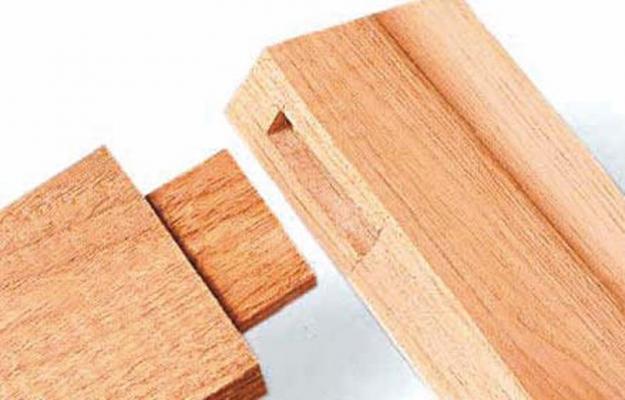
The mortise and tenon is a classic joint with lots of strength, albeit it is usually hidden.

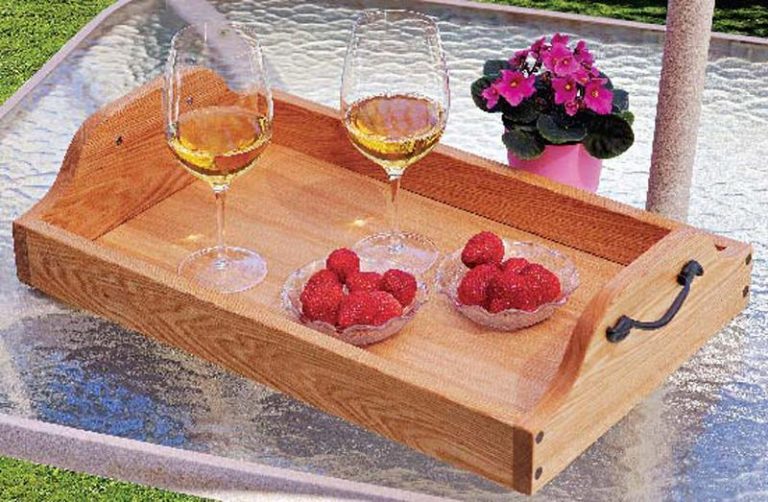
This simple tray will make outdoor meals much easier this summer. You can use it to carry the small items you need out to your patio table from the kitchen, then back inside again.
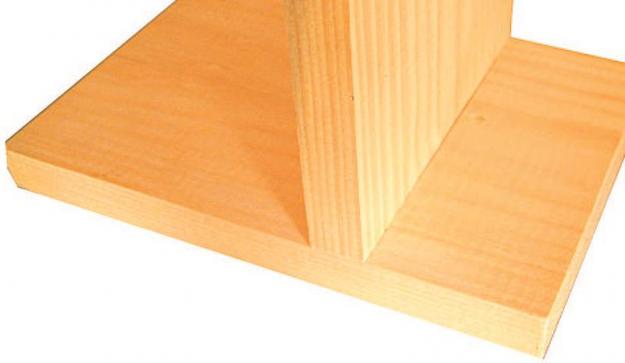
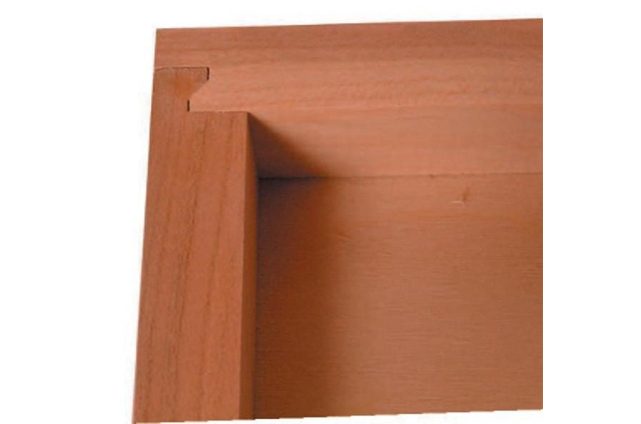
A stopped dado provides the same strength and flexibility that a dado joint does, however it hides the dado itself for a cleaner look.
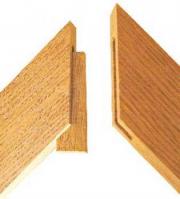
Mitre joints are an attractive joint often used in framework for cabinets and cabinet doors, picture frames and box lids - wherever you don't want to see end grain at a corner joint.
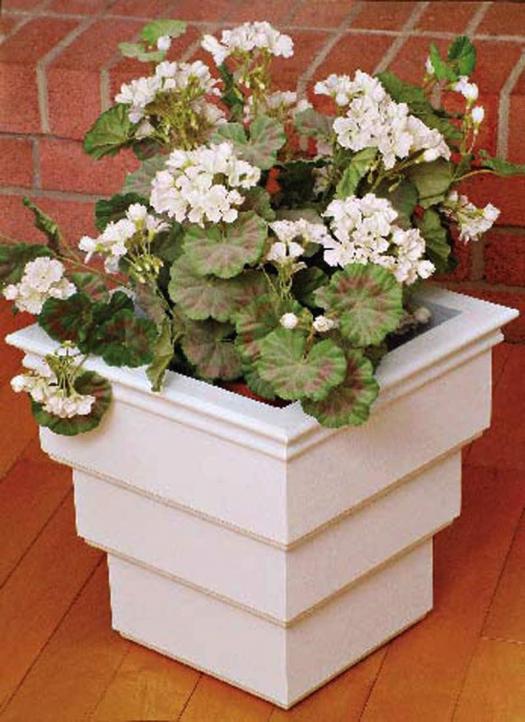
Your patio is something to be enjoyed each summer, and this elegant planter will make your space even more enjoyable.
The finger joint is a router joint that not only adds strength to glued-up boards, it can extend your scraps by joining them together end to end for use in a hidden area.
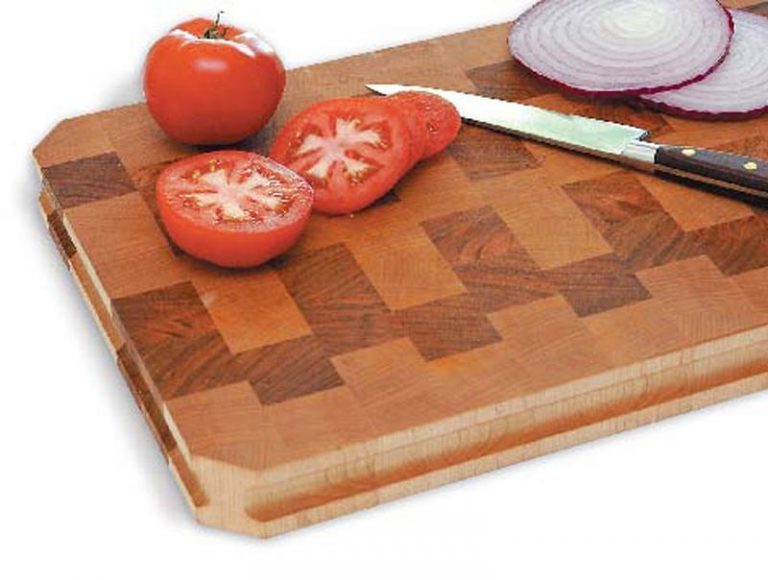
This cutting board, with the end grain showing on top, harkens back to the old style butcher block.
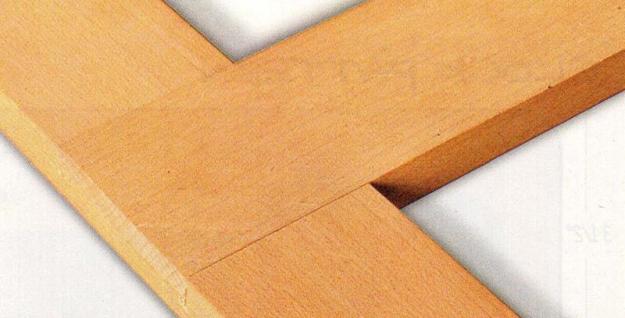
Lap joints may not be as highly regarded by the craftsman as the dovetail or the mortise & tenon, but they serve a very important role and are quite versatile.
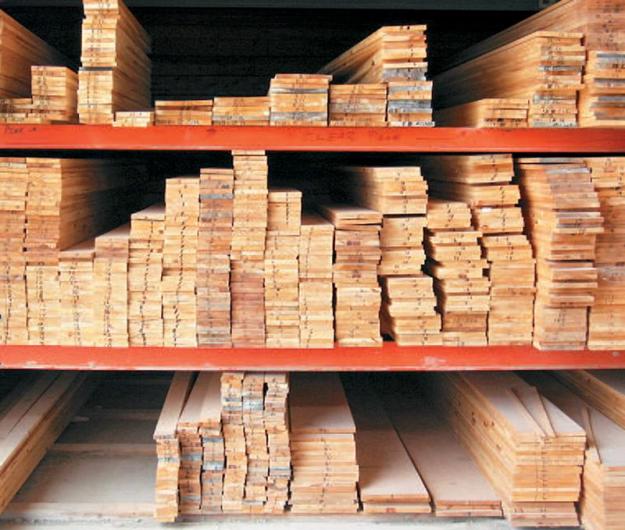
Most of us buy lumber that is either 'dressed' or 'rough'. Dressed lumber (also called 'surfaced lumber') has been jointed and planed after it has been dried, while rough lumber has been dried but not planed.
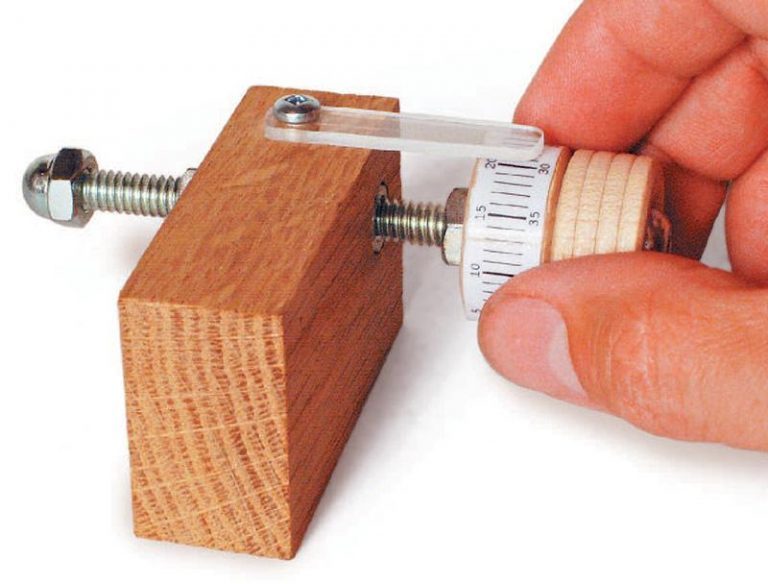
This adjuster adds accurate, repeatable adjustment to your jigs and fences.
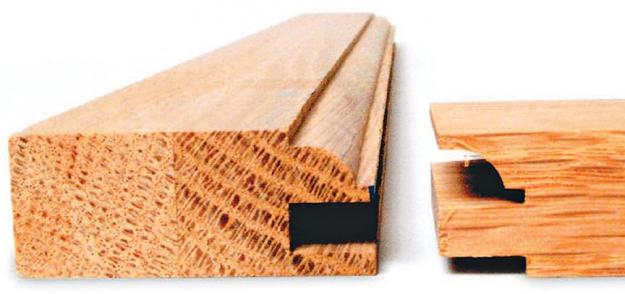
The Frame & Panel (F&P) joint is typically used for doors in cabinets. It can also be used for cabinet panels and internal frames and structures.
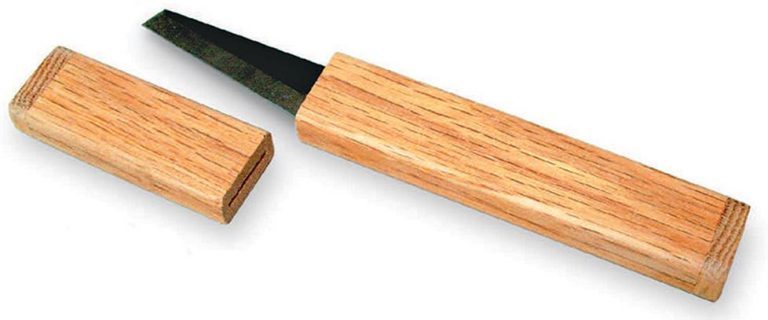
The Marking Knife is one tool that will not only improve the marks you make to guide your cuts, it will also be a welcome addition to your collection of hand tools.
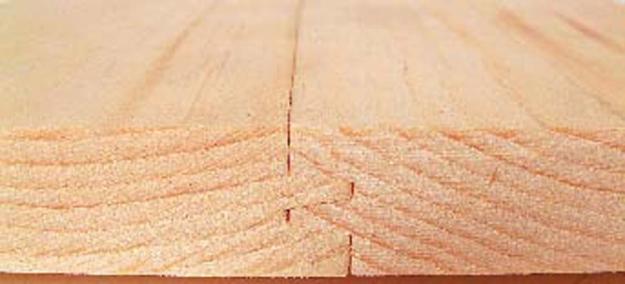
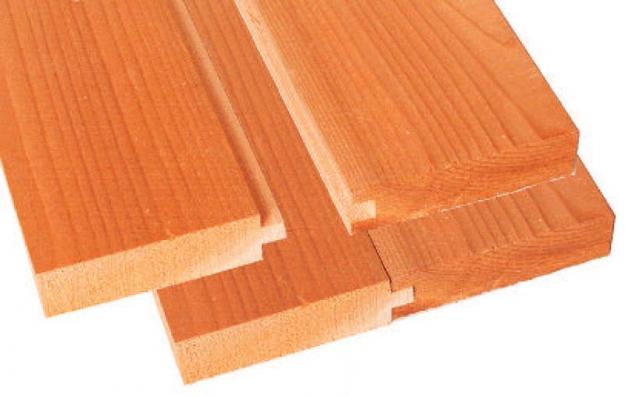
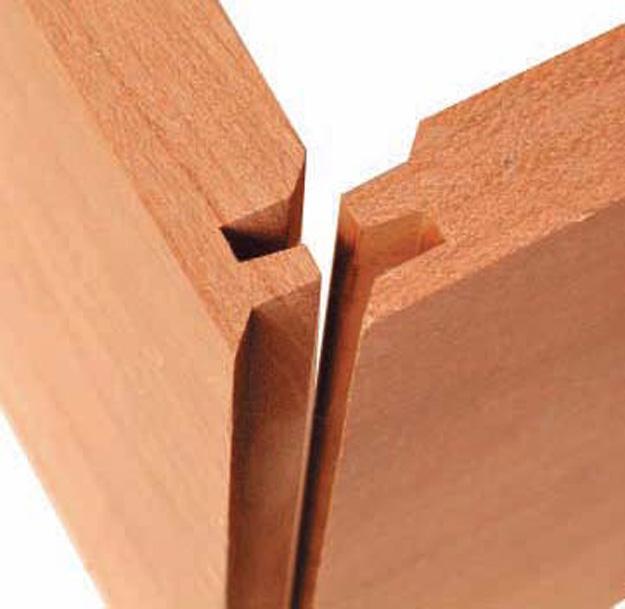
The Tongue & Groove (T&G) joint is primarily a structural edge-to-edge joint.
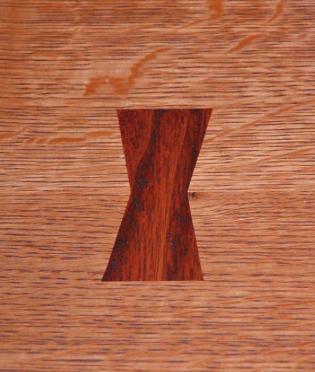
The butterfly key joint is more decorative than structural.
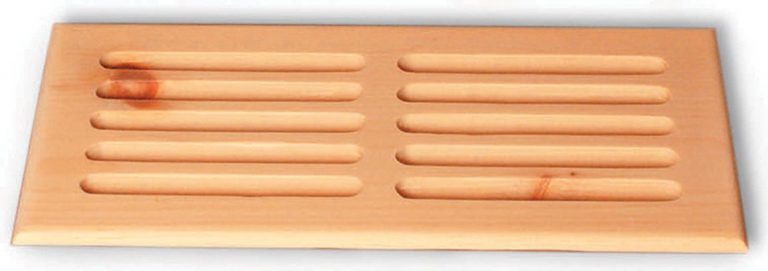
Making your own wooden floor vents is an easy way to add the beauty and warmth of wood to the rooms in your house.
In addition to using the router to help make traditional joints, you can use the router and a single bit to make unique joints that solve specific joinery issues.
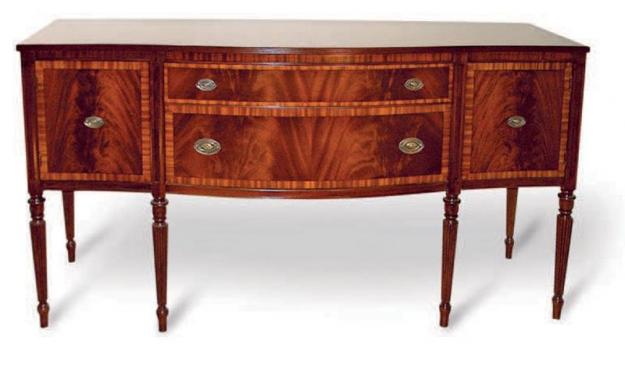
The Sheraton style of furniture is named after Thomas Sheraton, an English designer.
In addition to using the router to help make traditional joints you can use the router and a single bit to make unique joints that solve specific joinery issues.
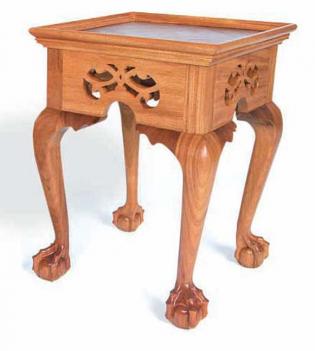
After the Shaker, Chippendale is perhaps the best known north American style. Named after Thomas Chippendale, the style was derived from English, French, and Chinese designs.
The mortise and tenon joint offers exceptional strength, resisting racking and twisting forces better than most other joints while providing an ample glue surface.
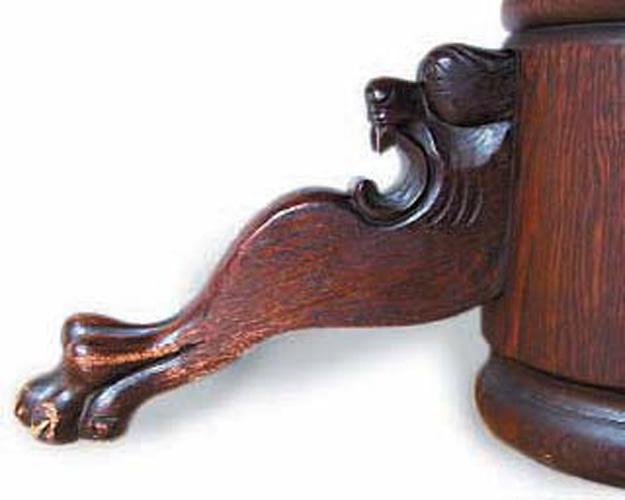
The Victorian style was named for Queen Victoria, who reined in England from 1837 to 1901. While the Victoria style was influenced by earlier styles, its general characteristics remained the same.