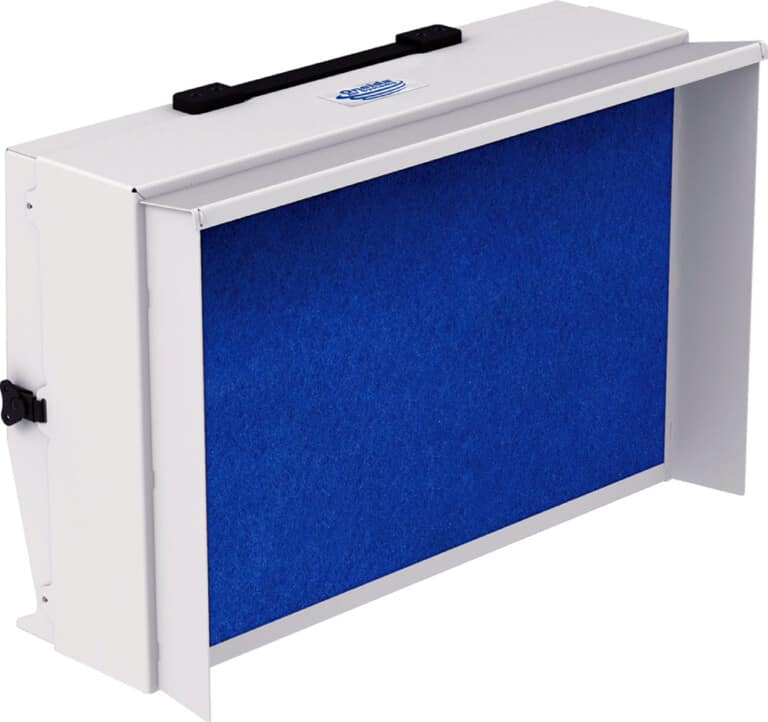
Oneida BenchTop DC personal variable speed dust collector
Where’d the Dust Go? – Mask-free work can be accomplished when you’re working near the Oneida BenchTop DC.

Rob is the editor at Canadian Woodworking & Home Improvement and a studio furniture maker.
Where’d the Dust Go? – Mask-free work can be accomplished when you’re working near the Oneida BenchTop DC.
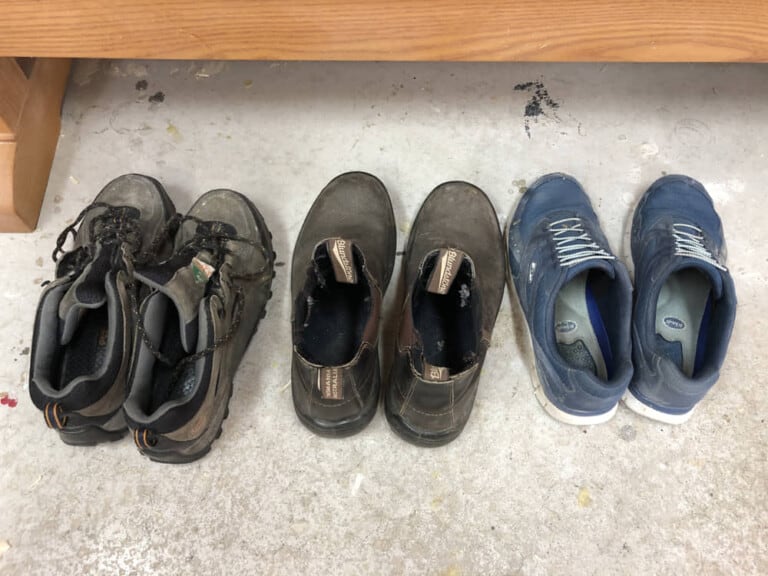
I went to my workshop the other day, and because I was only applying a finish to a few pieces of furniture, I just put on my sneakers. I bet you know where this is going already. Before I started to finish anything, I wanted to clean up the shop so clutter wouldn’t get in my way.
Quebec furniture maker Stéphane Dumont on mistakes, the joys of CNC machines and how music makes sanding easy.

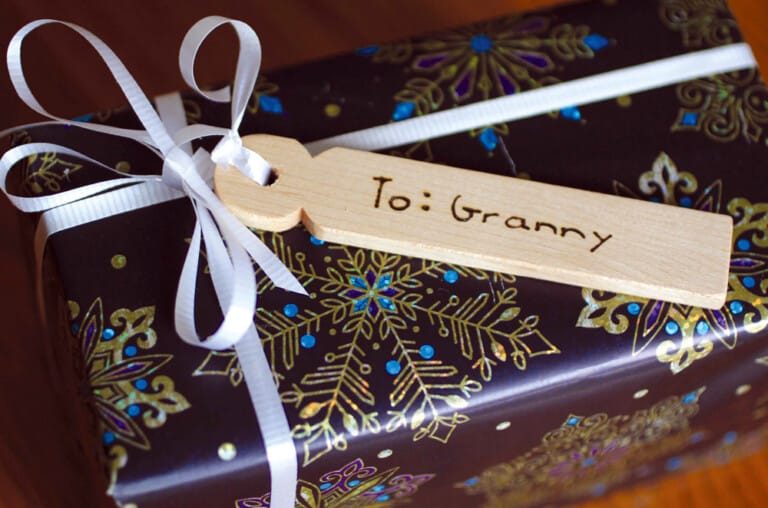
The perfect addition to any gift, these customized gift tags designed and created by two young woodworkers are a great project for beginners.
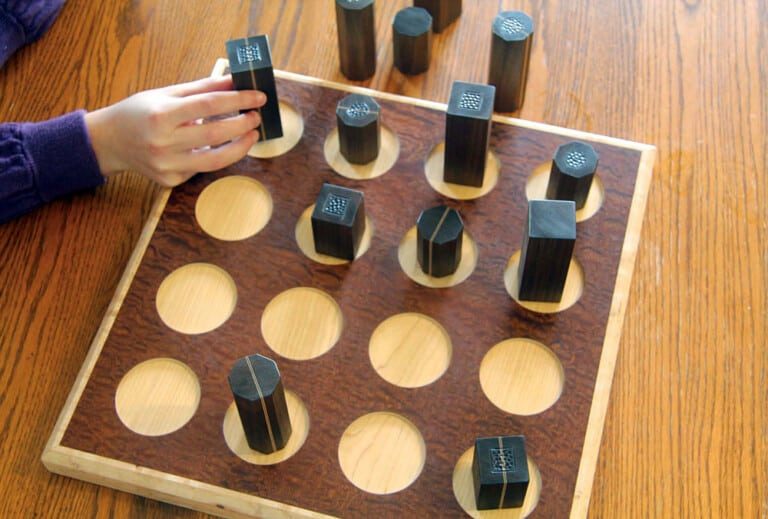
Easy to learn, yet hard to master, Quarto is a game for all ages. It also makes a great gift.
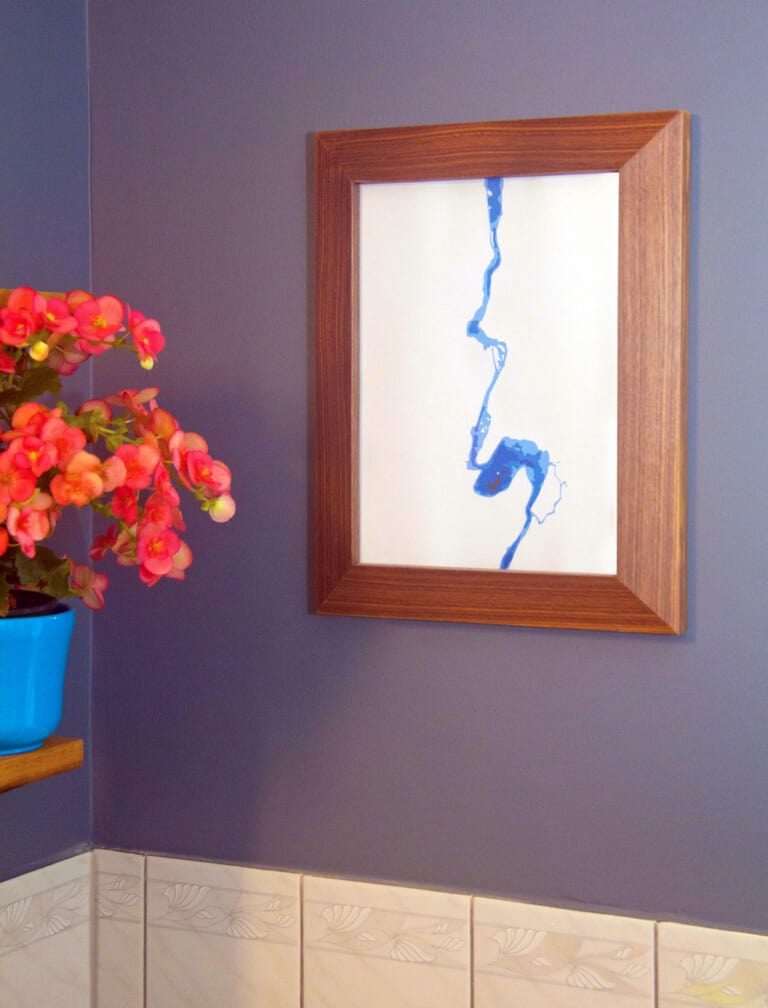
This picture frame can be custom sized to fit any artwork or photograph. An attractive frame like this can accentuate a piece of art without overpowering it.
I much prefer working in the warmer months, with the windows and doors wide open, welcoming the sun and wind. Maybe it’s an obvious thing to say, but I really do miss it already.
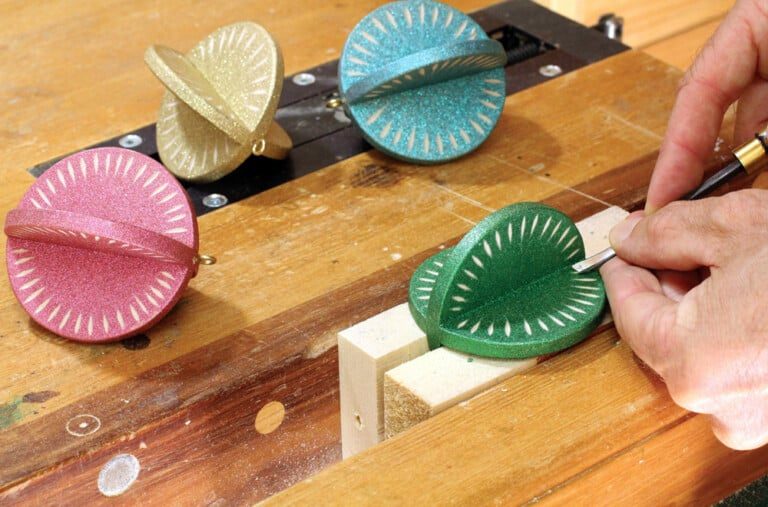
Bright, eye-catching ornaments make great gifts. This two-piece maple ornament is finished with glitter and then textured to reveal the bare wood under the bold finish.
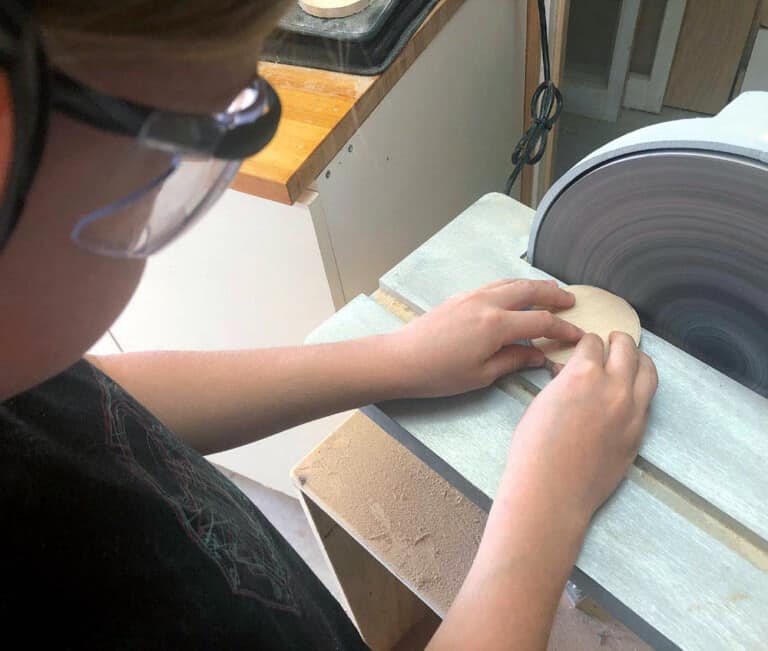
If young kids show an interest in woodworking, it’s time to take them into the shop. A patient, careful approach while allowing them to lead the way, will set kids up for life-long learning in the shop.
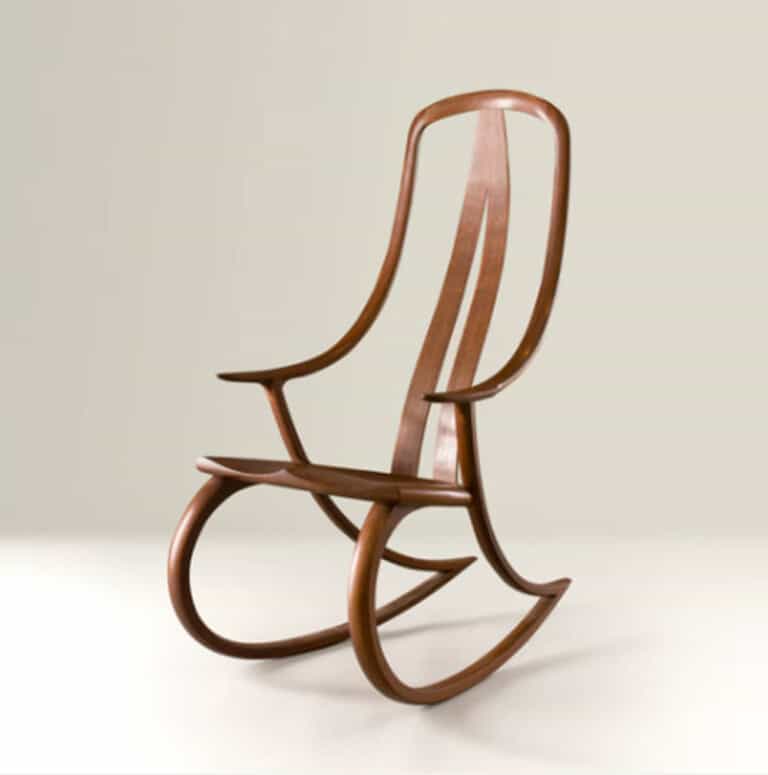
When I’m planning Canadian Woodworking & Home Improvement I stick with Canadian writers, photographers and illustrators. We feel there’s a solid benefit in having only Canadians on our pages. Giving a Canadian perspective on woodworking is something we’ve heard our readers appreciate, too.
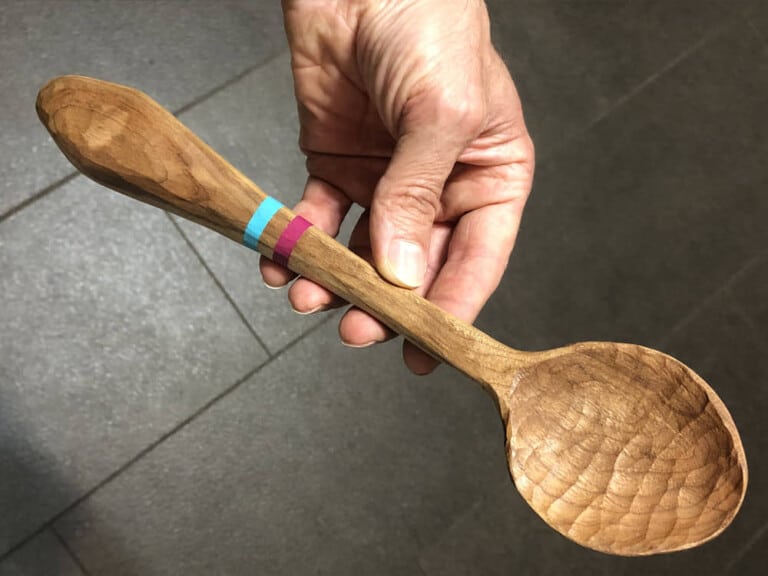
You might remember I mentioned my son was making a wooden spoon last June as a thank you gift for his teacher . Well, it took some time, but we…I mean he…finally finished it.
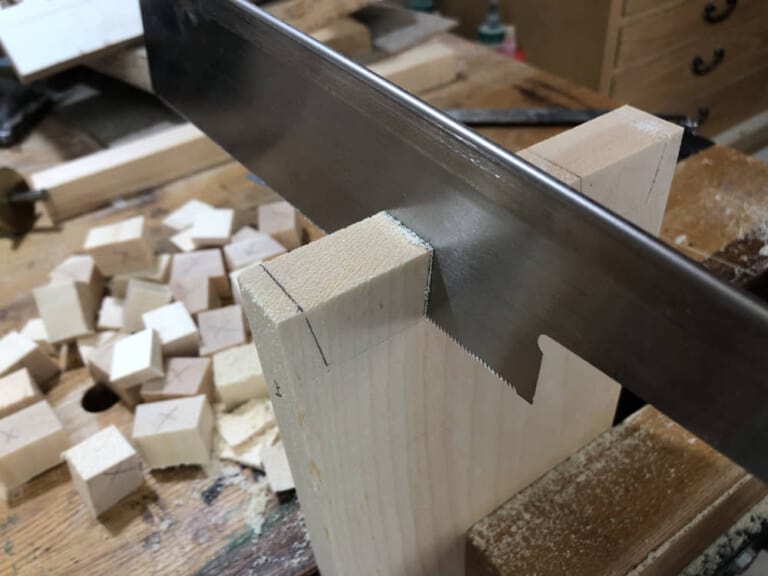
I’ve been working away on a pine desk that has some unique details. One of the most prominent details are a pair of drawers with angled sides. Like most people, I associate dovetails with a traditional look. Most people also think having a dove-tailed joint indicates quality. The designer of this desk included hand-cut dovetails in this piece, along with angled drawer sides.
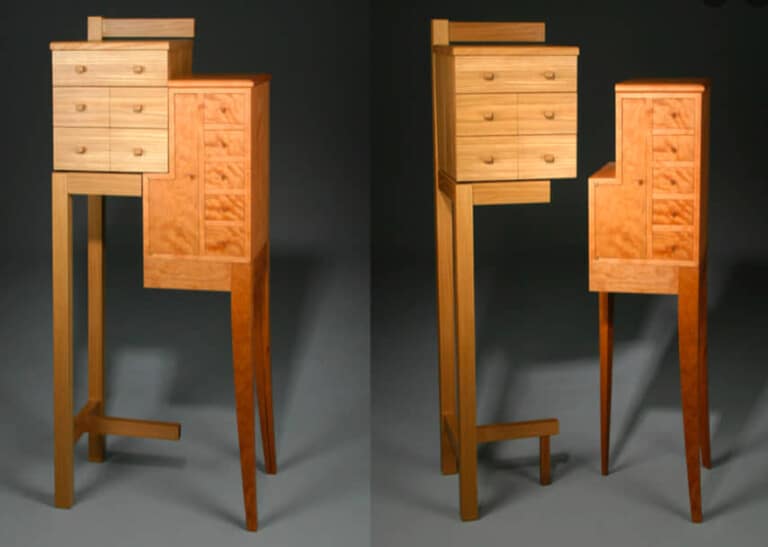
While on The Furniture Society’s website the other day I came across the work of Jason Schneider, who is an American maker. I really liked one of his pieces, titled “His and Her Cabinets.” What initially looks like a single cabinet comes apart to reveal two separate cabinets. He has a few other pieces on his website (JasonSchneiderFurniture.com) that are pretty playful as well. If you can believe it, Jason has used corrugated cardboard to build many of his pieces, and they look great.
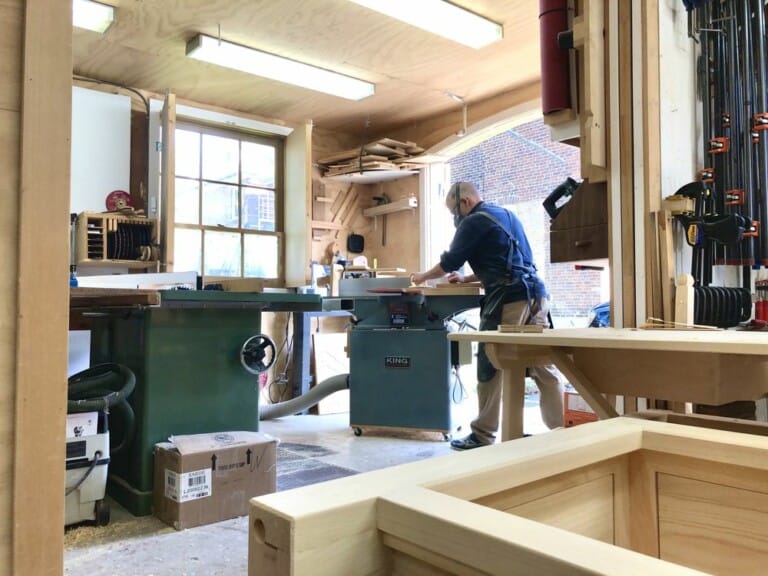
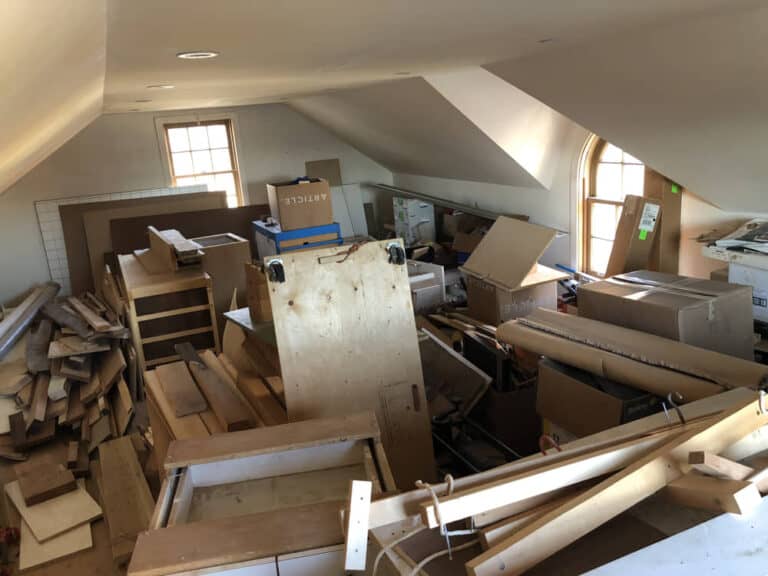
Last, but not least, is the upper level of my shop. Although I don’t do much work up there, I’m able to store all sorts of tools and materials there that would otherwise take up valuable space in my main shop machining area.
Over my last couple of posts, I’ve talked about moving into my new shop and how my table saw is the centerpiece of my workflow. There’s a lot more than my table saw to my tool kit, though. Other large machinery, power tools, hand tools and a whole lot of accessories make building furniture efficient and enjoyable. I’ll briefly go over some of the more important items here.
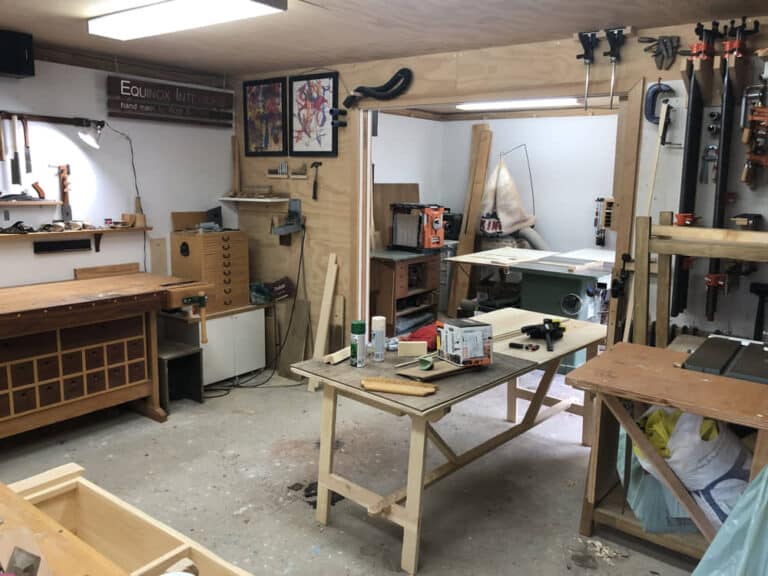
I started last week’s column by saying, “Moving is rarely fun.” That was definitely the case with my workshop move nearly a year ago. Heavy, dusty machinery, and seemingly no room for all of it, stopped me from realizing the positive side of the move. And once the move was complete, the immediate need for some serious organization started. I got most of the larger items positioned over the next day or two, but a few were moved around after another week or two, once I was able to start using the space.
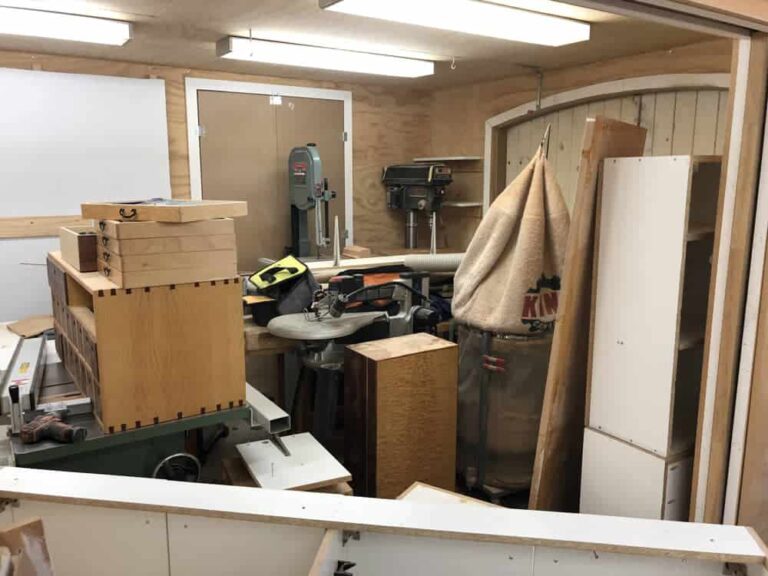
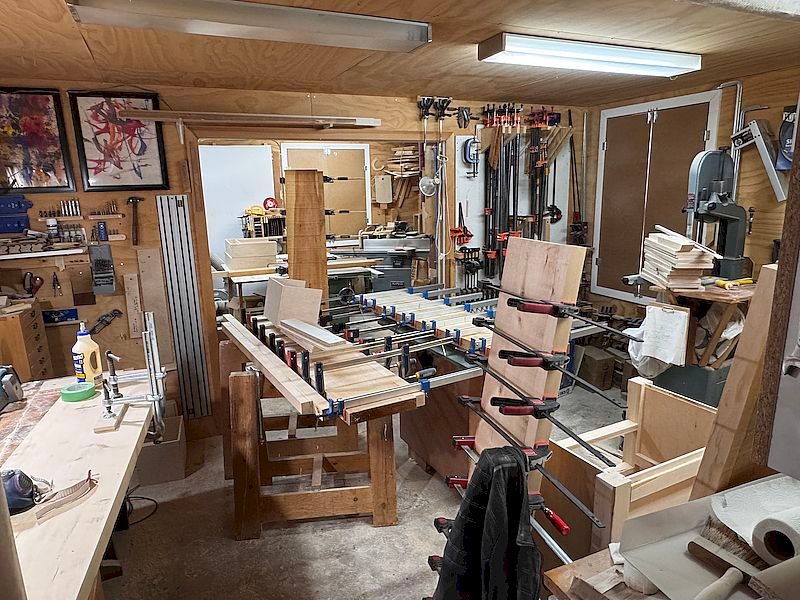
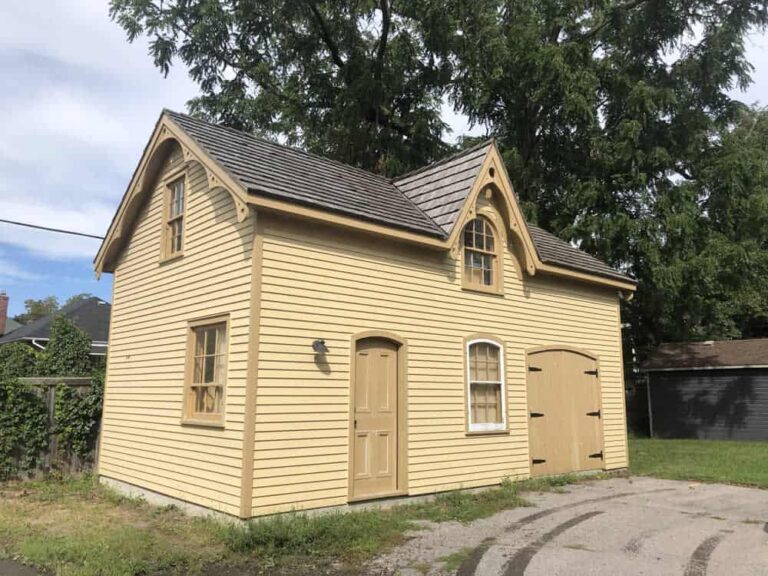
Moving is rarely fun. About 10 months ago I moved my shop to a two-storey building because I sold my house. The new shop has a slightly smaller footprint, but it’s the storage on the second floor that makes all the difference in the world.
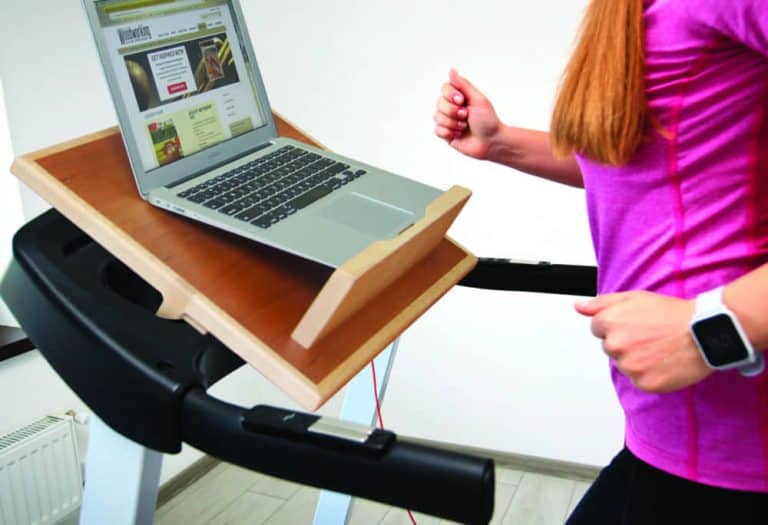
If you work on a laptop for much of the day, you’ll feel better if you’re able to move while working. A laptop treadmill desk is the perfect project to improve your health and get more work done.
Irrelevant to the amount of time you spend (or sometimes waste) being overly accurate, or how working to tight tolerances may deplete your ability to focus later in the day, there are actually times when it’s simply better to not be so accurate.
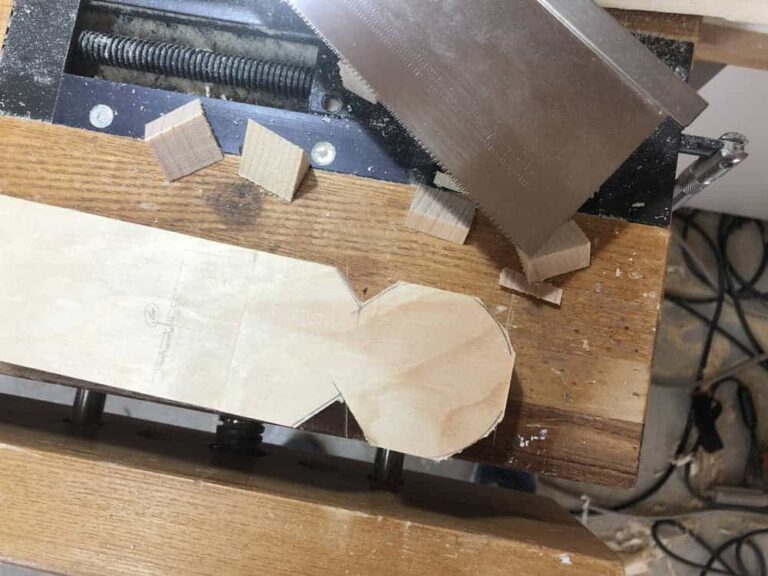
People who have the ability to be extremely accurate and work to tight tolerances likely pride themselves on this skill. It’s satisfying to cut a piece of wood to the exact dimension needed, then create joinery that’s flush and fits properly. But there are many times when we don’t need to be that accurate while working with wood; “close enough” is just fine.
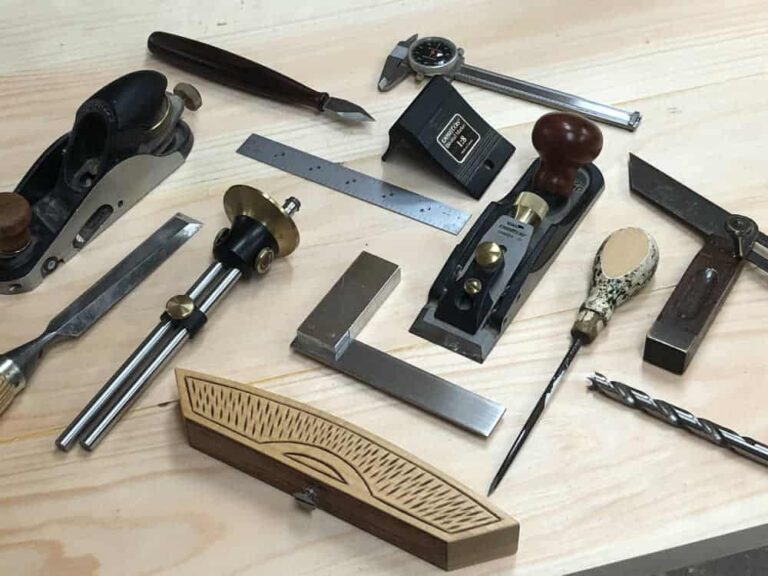
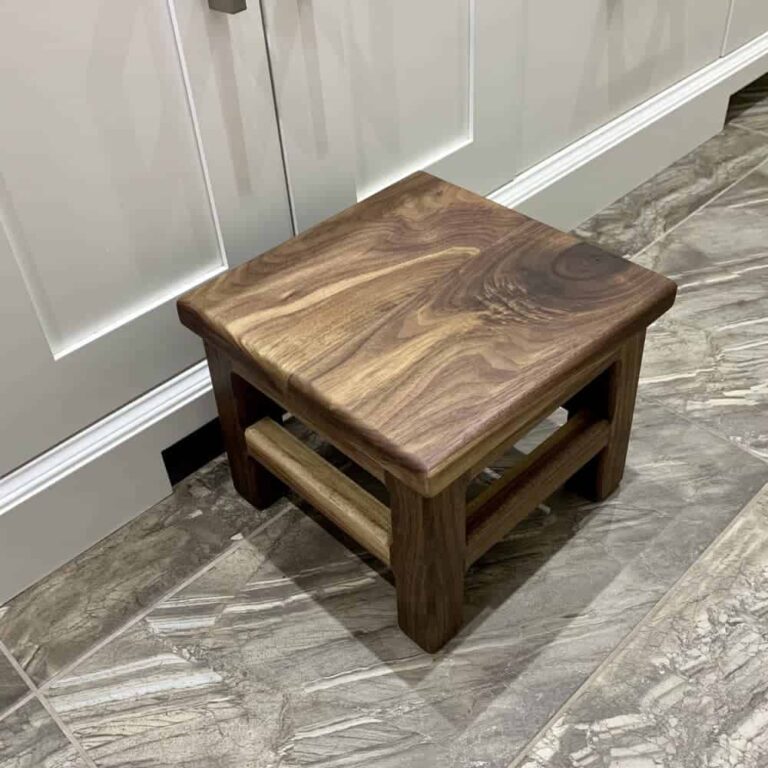
In late March I wrote a column titled “Calling all (wood shop) kids!” putting out a call to find young Canadian woodworkers between 10 and 20 years old to contribute articles to our magazine. I was contacted by a few kids, though I was only able to get an article from one of them. Evan, a 13-year-old from Toronto, wrote an article about how to make a black walnut stool. It will run in an upcoming issue. You can learn more about Evan on his website, EvansWorkshop.ca.
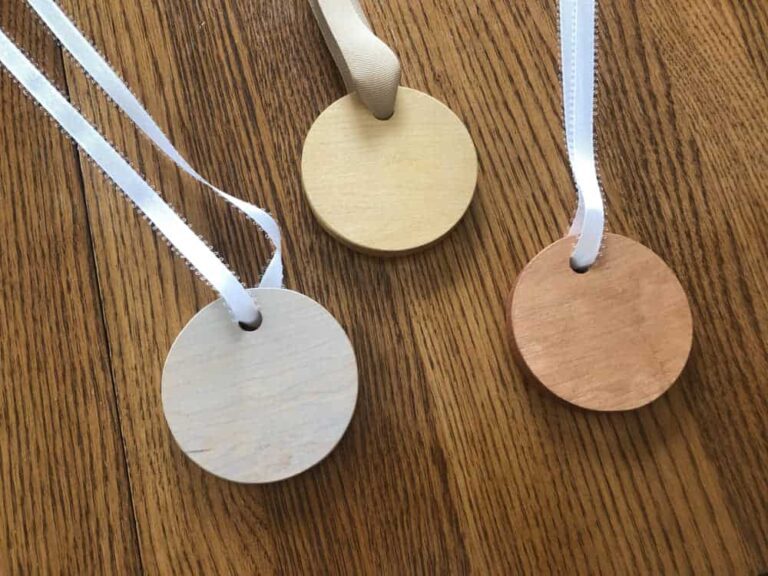
Olympic fever has caught on in our house. My kids have watched diving, swimming, gymnastics, water polo, hurdles, weight lifting, soccer and many other events, even though they have no prior experience with many of these activities. They seem to understand that the Olympics is an international sporting event with plenty of buzz surrounding it and competing in one of these events can be a lot of fun.
Nathan Sterkenburg, from Medicine Hat, Alberta, talks about spruce, scale models and adding curves to his work.
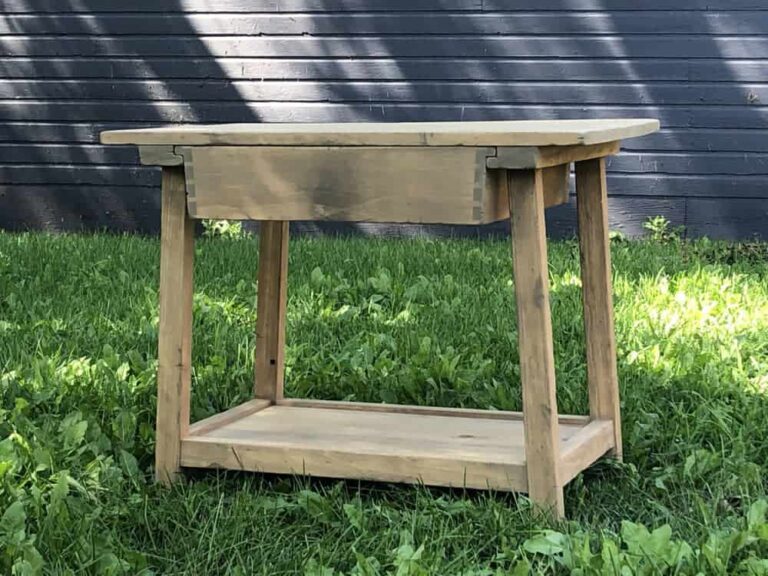
As I mentioned previously, I’m building a bunch of pieces of distressed pine and Douglas fir furniture for a custom home. The building part of the job is fun and easy. It’s adding the right patina to make the piece look 150 years old, then choosing and applying the finish, that are the tricky parts. You’re likely tired of the finishing aspect of this project, so I’ll just give you some idea of how I added the patina to these pieces.