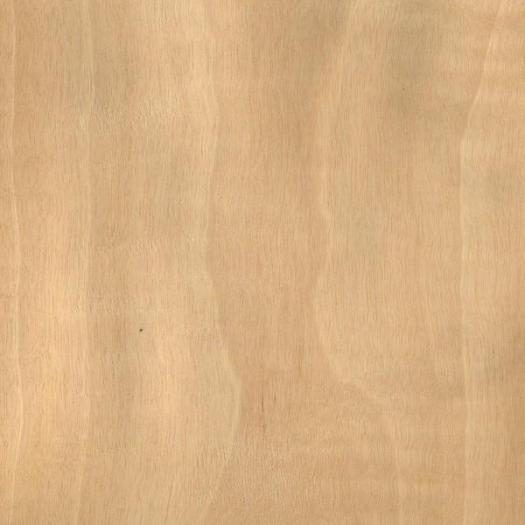
The heart is a light yellowish brown to a pinkish brown. There is no demarcation between the sap and heart, further increasing yields. The grain is straight, occasionally interlocked with a medium texture.


Know Your Woods
The heart is a light yellowish brown to a pinkish brown. There is no demarcation between the sap and heart, further increasing yields. The grain is straight, occasionally interlocked with a medium texture.
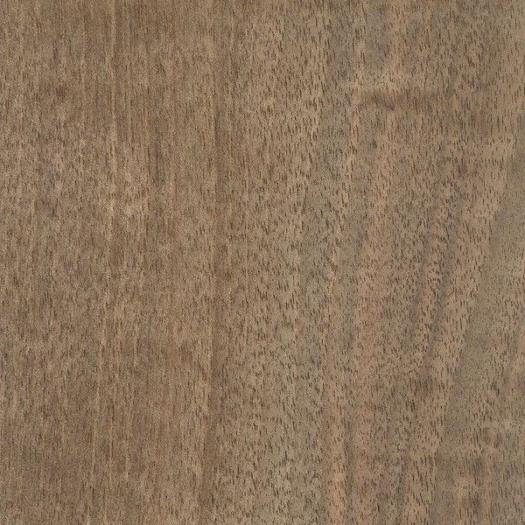
One of the world's finest woods, European walnut (aka English Walnut, Circassian Walnut, French Walnut) has a diverse and interesting history.

Quaking (aka Trembling) Aspen is the most widely distributed tree in North America, and is known for its distinctive rustling sound.
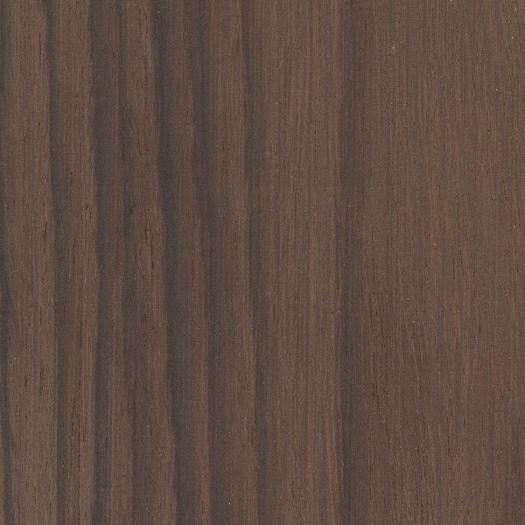
Trees belonging to the rosewood family (genus Dalbergia) are considered woodworking royalty. Beautiful to look at, tough with a rose like scent, they are used in high-end furniture, cabinetry and musical instruments.
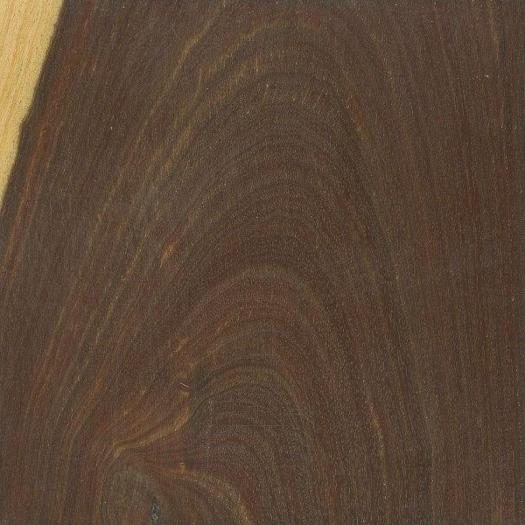
Lignum vitae is the common name for a group of six species from the genus 'Guaiacum', best known for their strength, density, and durability. Of the six species, only two (Guaiacum sanctum and Guaiacum officinale) are commonly used by the woodworking industry.
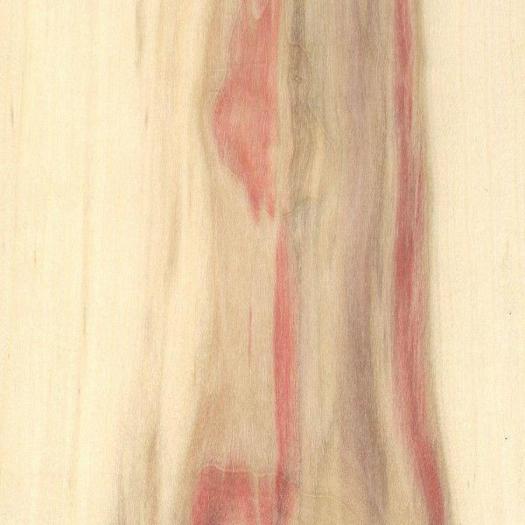
Also known as Manitoba Maple, Box Elder is a tree with a reputation both good and bad.
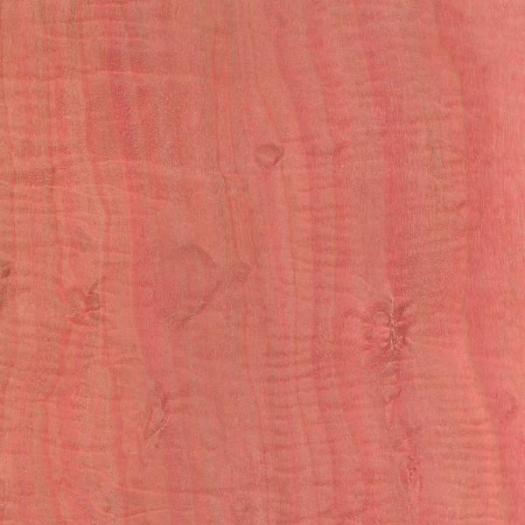
All trees have a story to tell. Pink Ivory has a story and it involves African royalty.
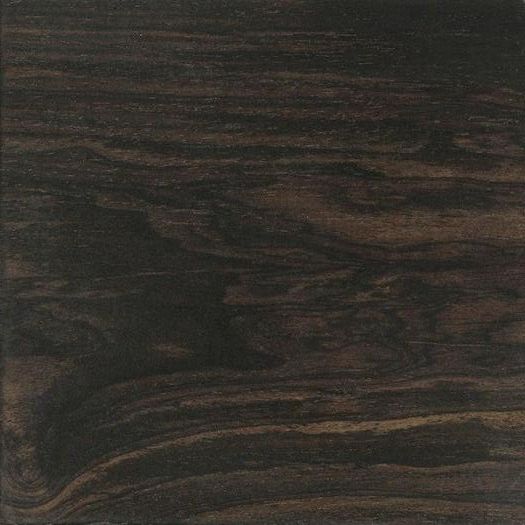
Aptly called the ‘tree of music’, African Blackwood is a well known tone wood for woodwinds and stringed instruments.
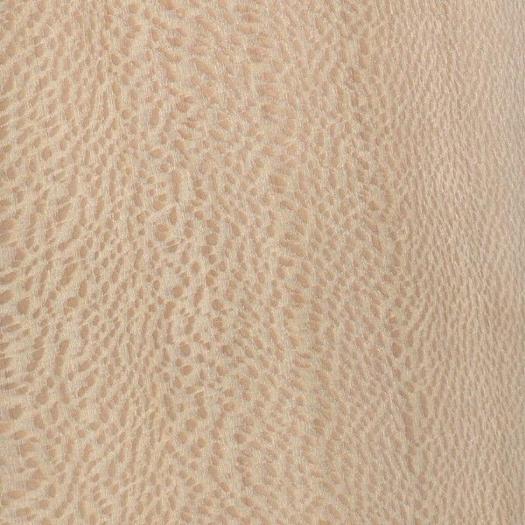
American Sycamore is the largest hardwood specie in North America. It has been called the 'Ghost tree of the forest' due to the unique appearance of its bark. Large oblong sheets of green and brown material flake off leaving a ghostly bone white bark underneath.
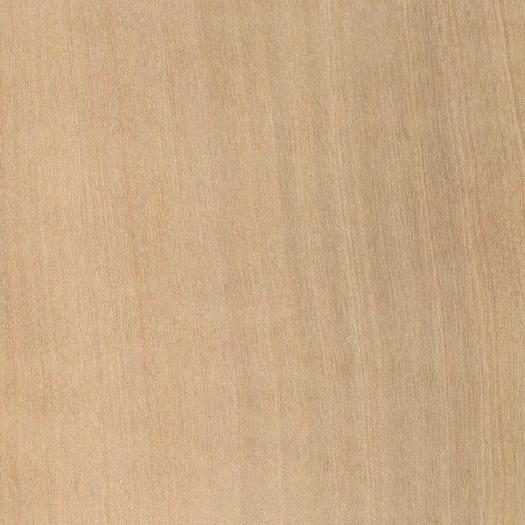
Madrone is a tree with a distinctive appearance. The bark is an orange-red, which in mature trees peels away in papery pieces revealing a greenish-silver colour underneath.
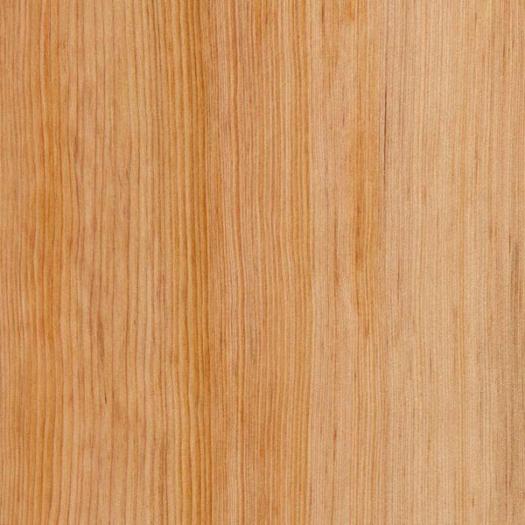
This wood can be a versatile choice for most woodworkers. It turns, planes and shapes well. It can sand to a smooth surface, although peaks and dips can be present during the sanding stage on material with uneven growth.
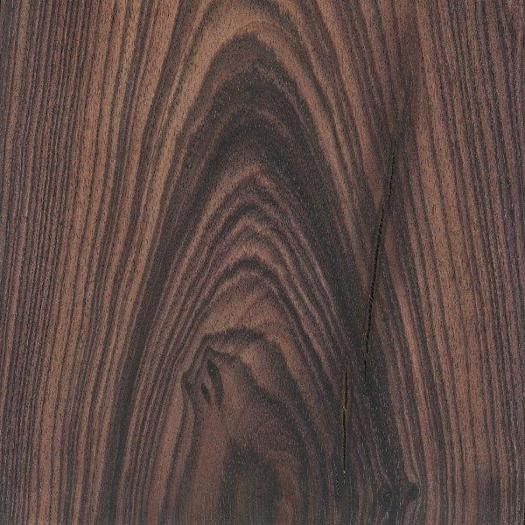
The heartwood is purple to reddish brown often with attractive black streaks giving it a distinctive and beautiful appearance. The sapwood is sharply demarcated from the heart and is a pale yellow colour.
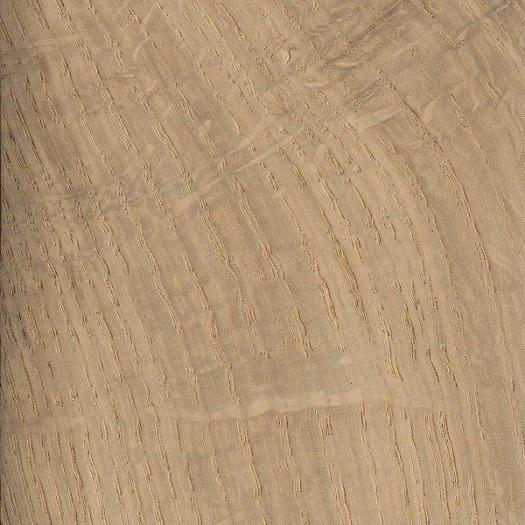
English Oak has a rich and illustrious history throughout Great Britain and Europe. Famed as a shipbuilding timber, it helped power the rise of the English Navy.
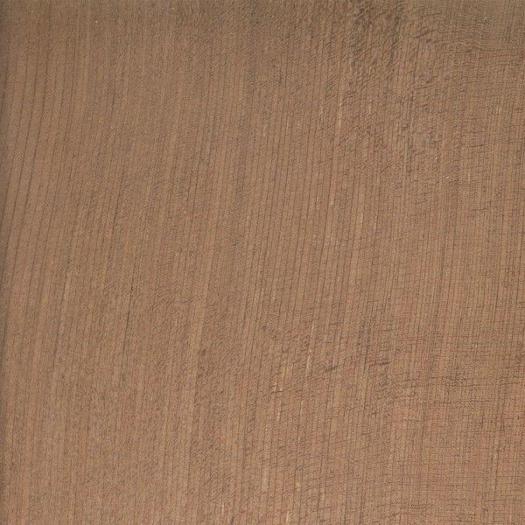
The wood has been used for veneer, trim, millwork, general construction and decking. It was outstanding for all exterior uses, especially siding. Redwood continues to be used in fine musical instruments and the curly and burl figures yield all manner of decorative objects.
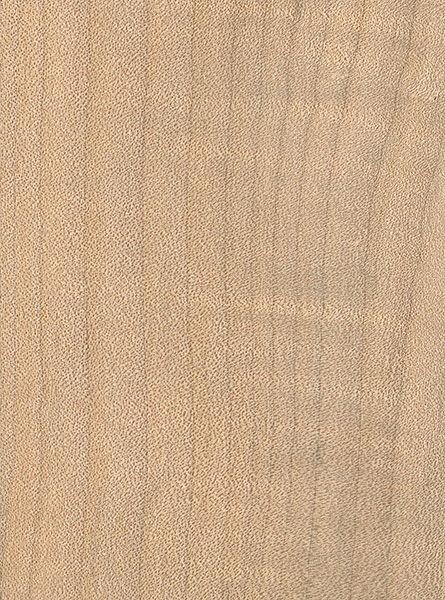
Woodworkers who appreciate the beauty of figured wood are familiar with Bigleaf maple. Fiddleback, birdseye, burl and the spectacular quilt figure are produced by this maple species endemic to the west coast of North America.