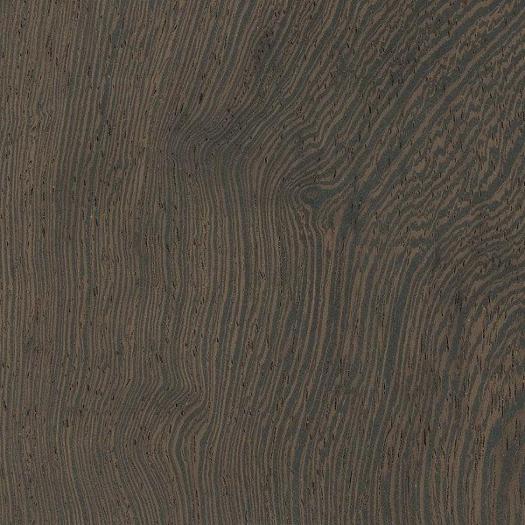
Wenge is one of the most popular of the imported exotic hardwoods. With most hardwoods being light in colour, Wenge is renowned for its rich dark brown heartwood.


Know Your Woods
Wenge is one of the most popular of the imported exotic hardwoods. With most hardwoods being light in colour, Wenge is renowned for its rich dark brown heartwood.

The pleasant odour tells us that this specie is a biological chemical factory producing chemicals that inhibit insect attack and decay, making it ideal for shelter construction and shipbuilding.
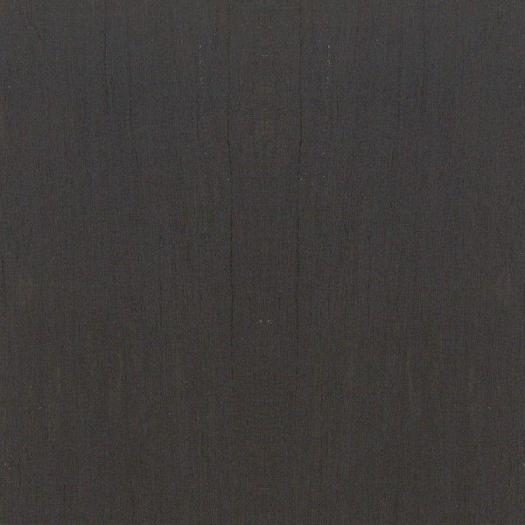
The Greek name for ebony is Diospyros meaning 'fruit of the gods' and this wood is famous for its dark beauty and opulence. Dark woods are rare and many indigenous cultures appreciated the significance of such a unique plant.
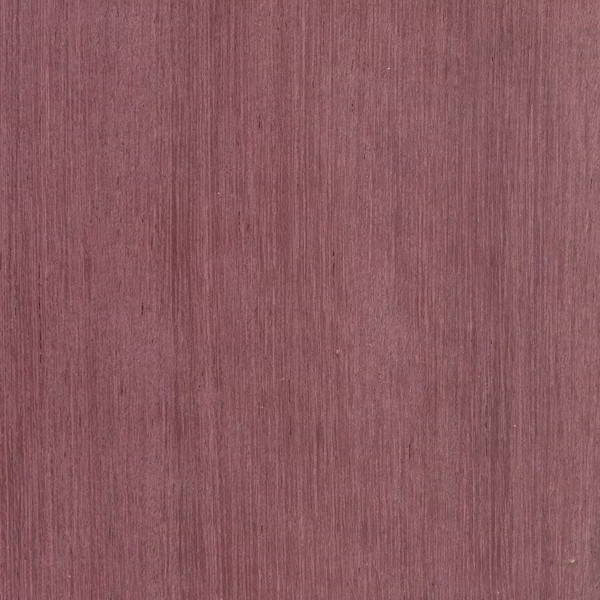
If you’re looking to add some colour to your next project, then consider Purpleheart. It ages to a lovely deep purplish brown.
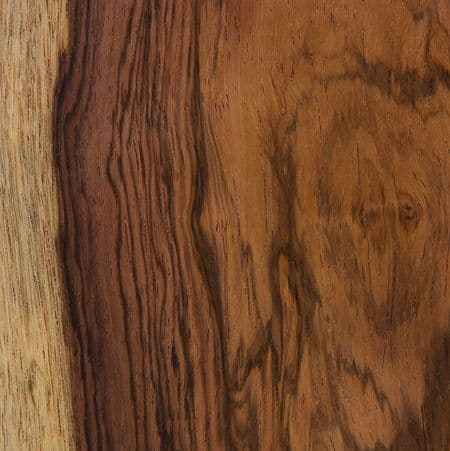
There can be no doubt that the Rosewoods are the most valued, most sought after and the most revered of the woods available to the woodworker.
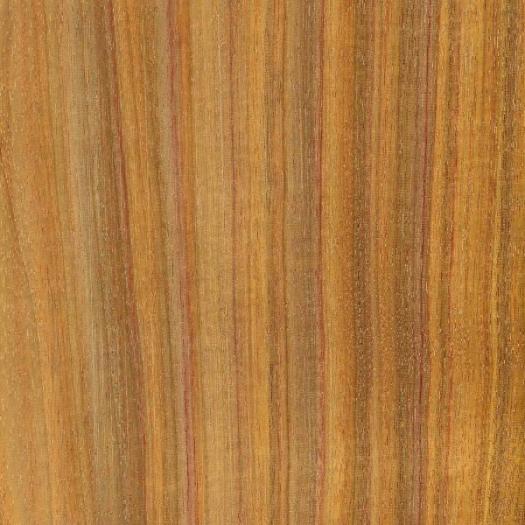
Eye-catching is the best description for Canarywood. The heartwood colouration may vary, but it is always dramatic.
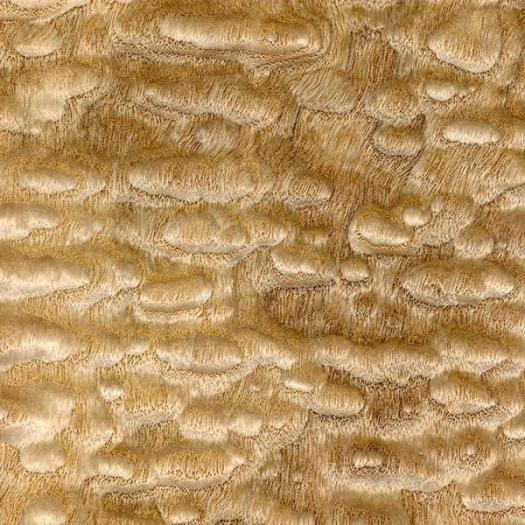
Tamo is a specific term that describes the stunning three-dimensional figure that can appear, very rarely, in some trees of Fraxinus mandshurica also called Japanese Ash.
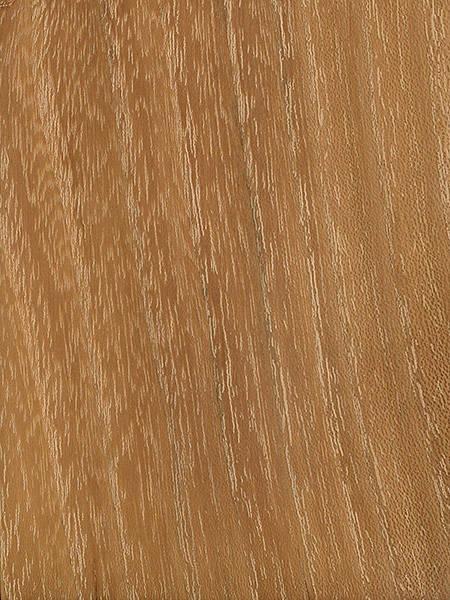
Black Locust is a ring porous wood with large early wood cells and distinct growth rings. The heartwood is a yellowish green to a dark brown and will darken with age.
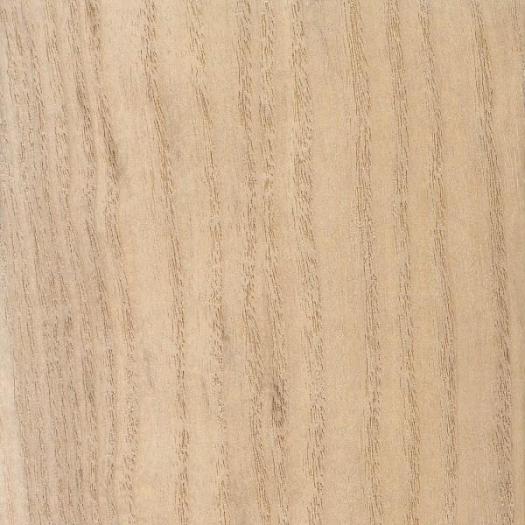
Paulownia is endemic to Southeast Asia and is a widely used and well-regarded hardwood.
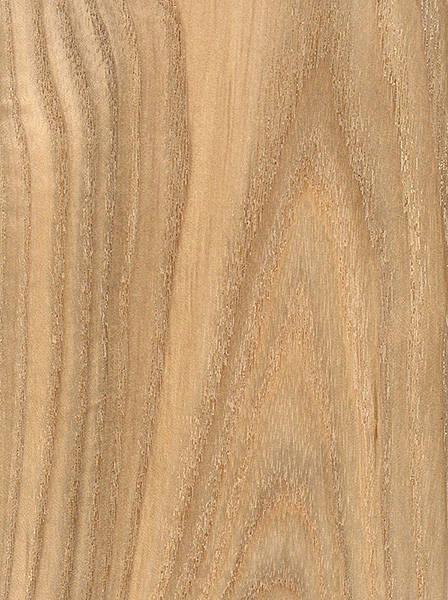
The sapwood is usually a dull white, not the brilliant white found in White Ash. The heartwood is brown and can vary in size dependent on how fast the tree grows.
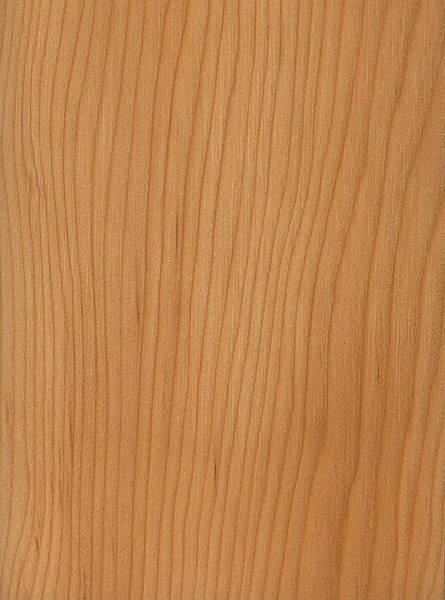
The wood of the Pacific Yew tree is very hard and dense with a fine texture. The wood is usually straight grained, but it can be very knotty.
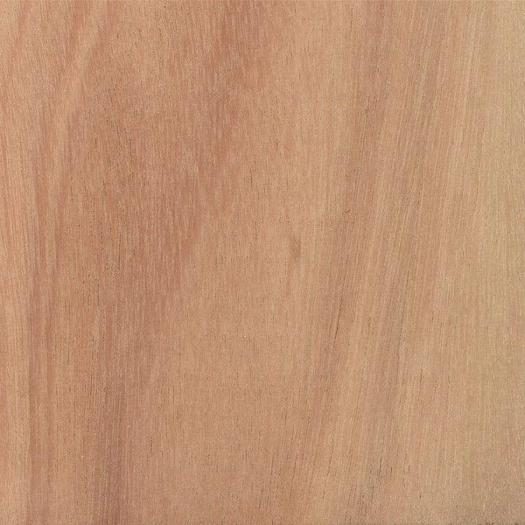
Lyptus is a hybrid of two Eucalyptus species, grown in Brazil and distributed by the North American forest giant Weyerhaeuser.
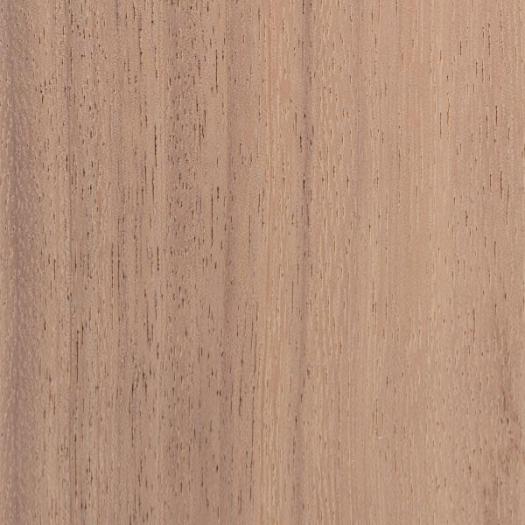
Monkeypod is a tree that has benefited from the popularity of working with live edge material. It is a beautiful wood with a golden, richly brown heart and a yellowish white sapwood that is in sharp contrast to the heart.
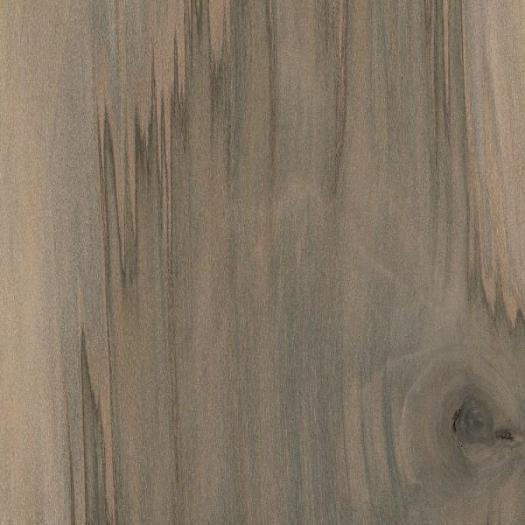
Liquidambar styraciflua is native to North America and is also called Redgum, and to confuse things even further, it is also called Sweetgum, Sapgum and Satin Walnut.
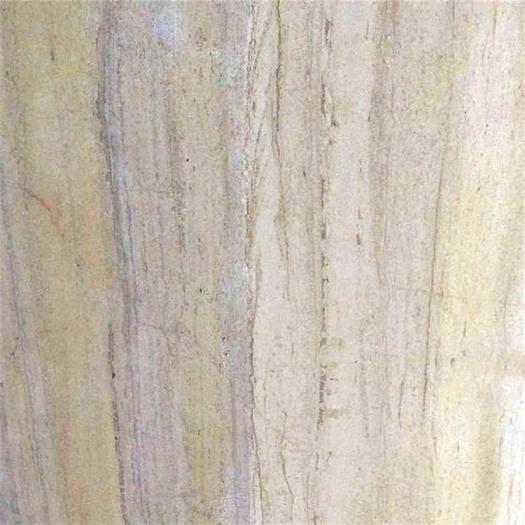
The wood is a pale yellow to a caramel colour, often with black streaks. It has a fine uniform texture making it a good prospect for carving and turning.