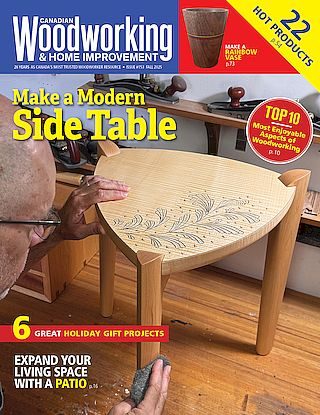
Few woods can match East Indian Satinwood's striking appearance. The heartwood is a striking golden yellow with a metallic luster. Different figure types abound, and some say figured boards are more common than their plain looking counterparts.


Know Your Woods
Few woods can match East Indian Satinwood's striking appearance. The heartwood is a striking golden yellow with a metallic luster. Different figure types abound, and some say figured boards are more common than their plain looking counterparts.
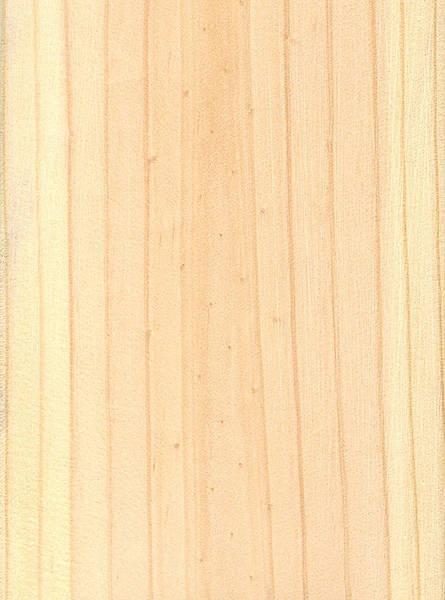
Red Pine is an excellent candidate for structural timbers, poles, log cabins, beams and trusses. It is also used in doors, frames, shutters and other interior trim.
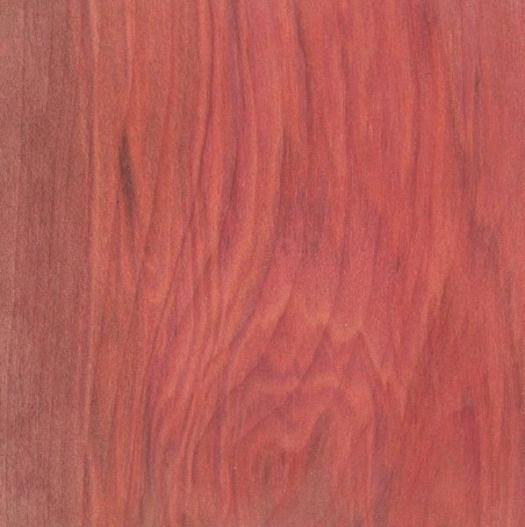
Chakte Kok is a popular choice for woodworkers looking for that splash of colour. It offers a brilliant red often described as 'red as a watermelon.'
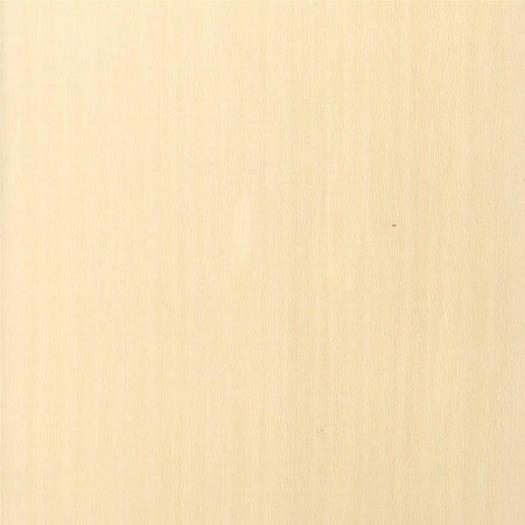
Holly is an exquisite wood for inlay and bandings. Here the bright white colour provides visual interest and contrast without overwhelming a project.
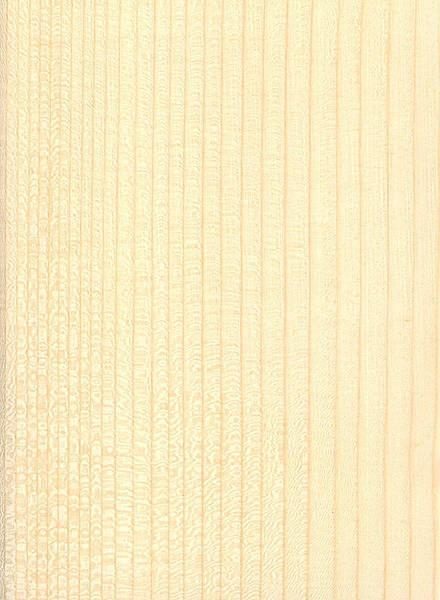
It's easy to dismiss Engelmann Spruce as just another softwood. It's cut for studs and framing lumber, sliced for plywood, and is an excellent pulpwood for paper making. Boring perhaps, but it does excel in one specific area – as a tone wood for musical instruments.
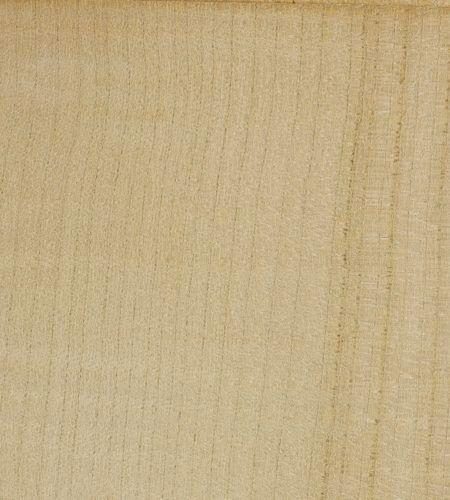
European (aka English) Sycamore is tree with a historical pedigree and has long been appreciated by European woodworkers.
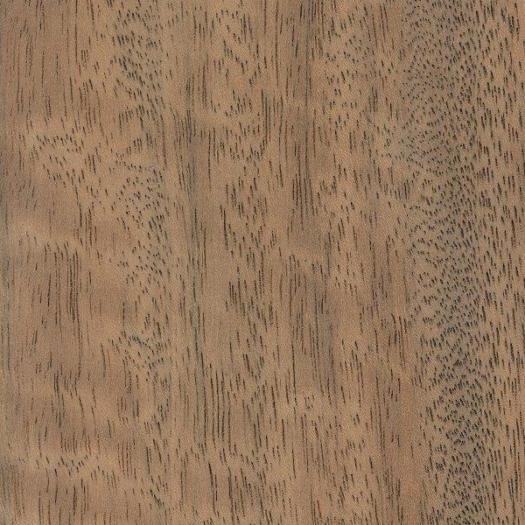
Paldao first gained attention in the woodworking world as a walnut substitute.
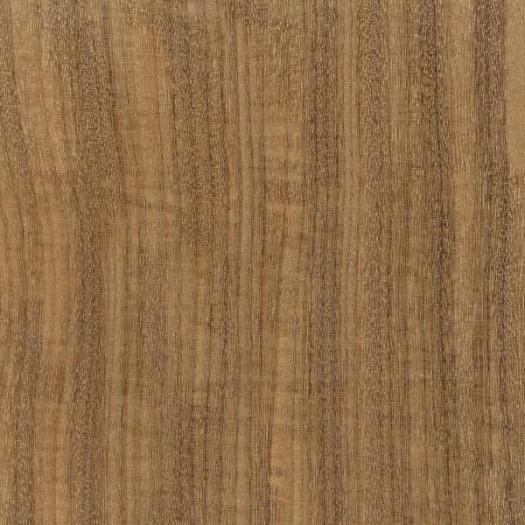
Renowned for its durability, Afromosia is often used as a substitute for genuine Teak. It's a beautiful wood and deserves consideration for many woodworking projects on its own merits.
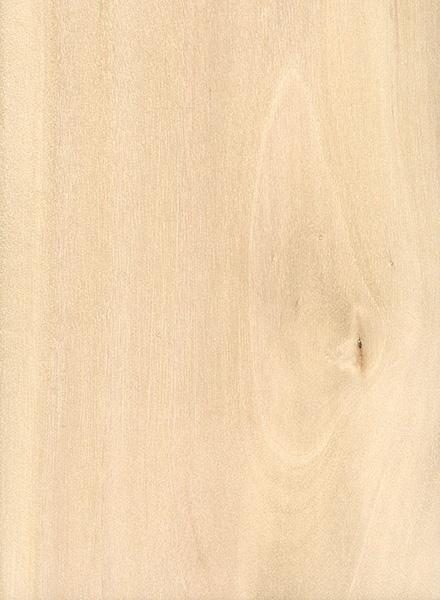
Hornbeam is a very dense and extremely hard wood, often referred to as an ironwood. Its fine, even texture makes it a good candidate for turning.
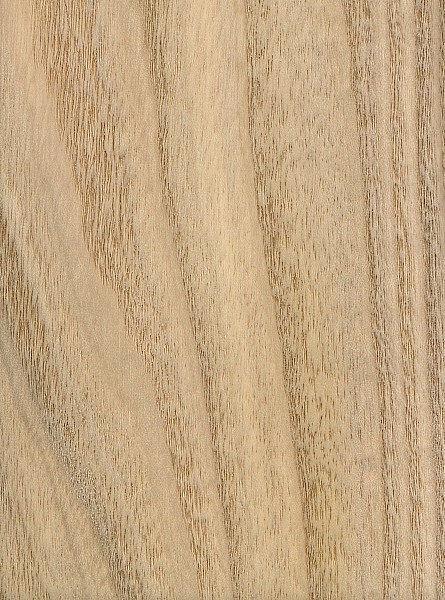
It's ring porous like ash and oak producing a bold figure on flat cut boards. It's extremely durable like cedar and cypress making it ideal for exterior projects and is also one of the most stable hardwoods.
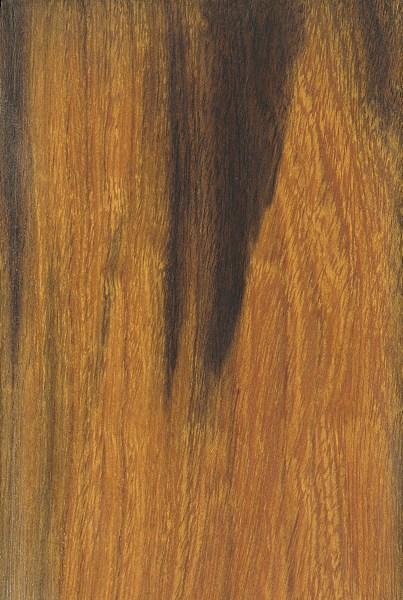
Wood from the Desert Ironwood is usually very attractive. The heartwood can contain orange and yellow hues as well as darker reds and browns.
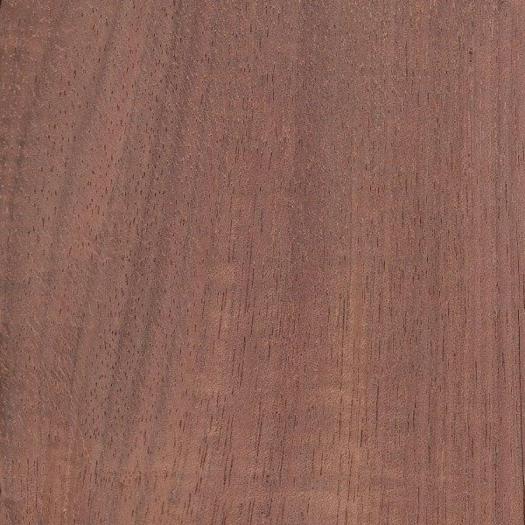
The heartwood is a reddish brown to a rich golden brown. Reddish streaks and bands of dark black can add to its beautiful colouration. The sapwood is straw to pale gray in colour and is sharply demarcated from the heart.
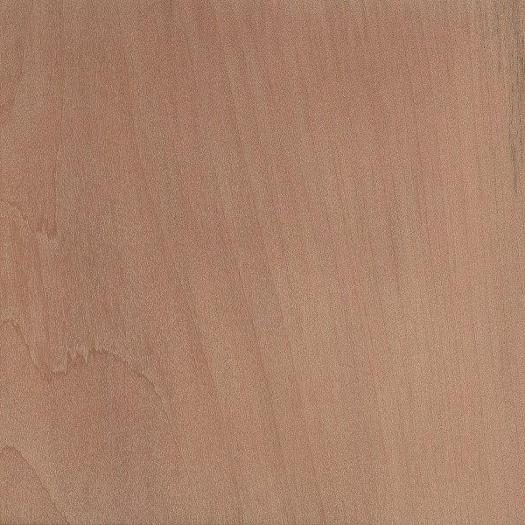
Stunning, seductive and subtle: these are some of the words that have been used to describe Swiss Pear a premier European hardwood.
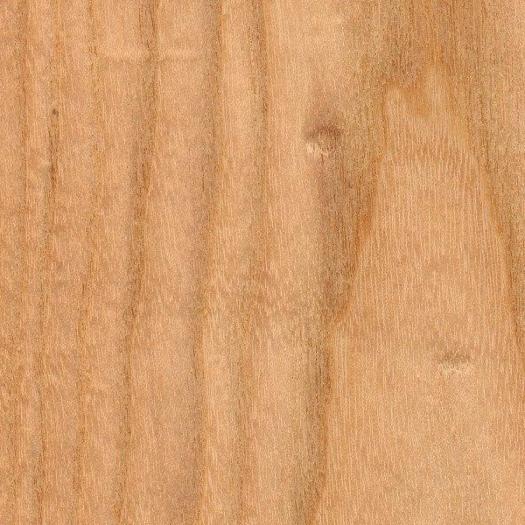
The wood is hard, dense and ring porous, resembling ash, the oaks and especially honey locust. The grain is usually straight with a coarse texture.
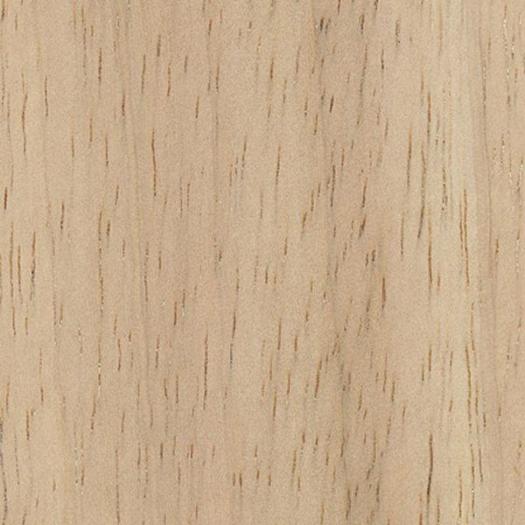
Chances are as a woodworker, you've never worked with Rubberwood, the wood from the Rubber tree. But I guarantee you have seen it and may even own some product made with it.