TIPS & HOW TO
The Difference: shoulder and rabbet planes

Carl Duguay
At first glance, shoulder and rabbet planes look quite similar — both have blades that extend the full width of the tool’s body, allowing them to cut right into corners. However, there are important differences in design and purpose that set them apart.
A shoulder plane is designed for trimming and fine-tuning joinery, especially tenon shoulders and cheeks. It has a narrow body with a low-angle blade bedded at around 15° to 20°, making it ideal for end-grain work. The blade is slightly wider than the body and set flush to the sides, so it can clean right into corners without leaving material behind. Because of its narrow profile and precise construction, the shoulder plane excels at detail work. It’s not designed to hog off large amounts of material, but rather to refine joints, making sure shoulders are crisp and square or that tenons fit snugly.
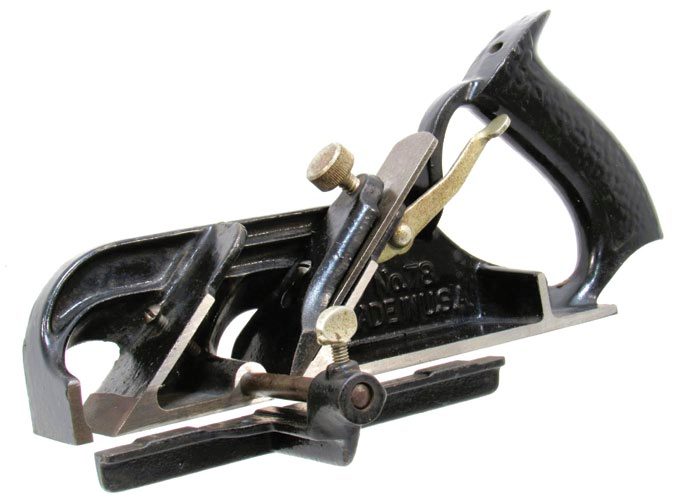
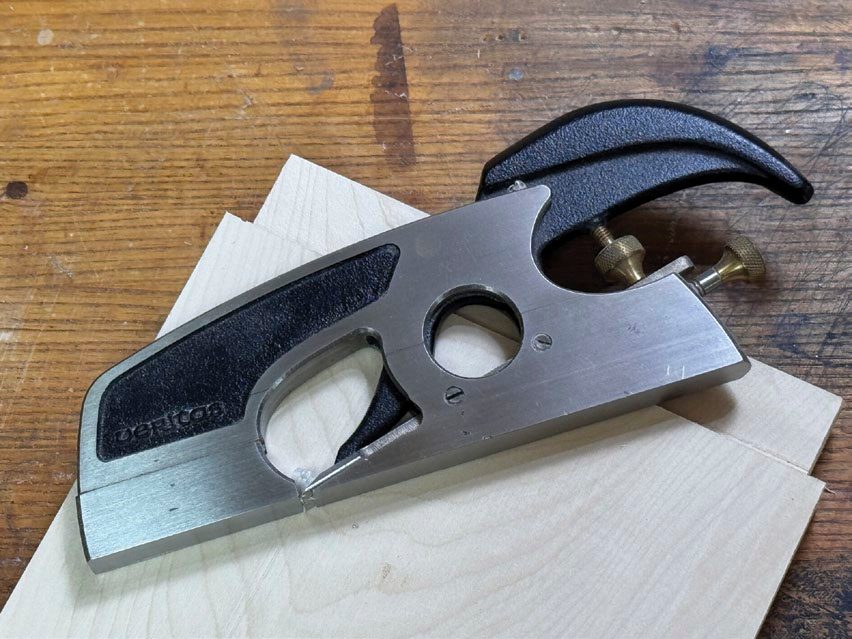
The rabbet plane (also called a rebate plane) is a more robust tool meant for removing more material. A traditional-style rabbet plane has a wider body and often comes with a removable side fence and depth stop, which help when cutting rabbets (shoulders and grooves along the edge of boards). Many rabbet planes also feature a nicker or scoring cutter in front of the main blade to cleanly sever wood fibres across the grain. While it can be used to trim joints, a rabbet plane is better suited for cutting or adjusting rabbets, dadoes or even working on door and window casings. It’s less refined than a shoulder plane but far more efficient for bulk removal.
Use a shoulder plane when precision matters: trimming tenon shoulders, cleaning up housing joints or refining small rabbets. It’s your go-to for detail joinery work. Use a rabbet plane when you need to remove more material, create or deepen a rabbet, or work across the grain with minimal tear-out. It’s ideal for joinery preparation rather than fine-tuning. They’re so useful that many woodworkers keep both on hand.
Shoulder Plane
A more refined, lighter plane than the rabbet plane, the shoulder plane excels at removing small amounts of material in order to fine tune a joint like a rabbet or tenon.
Rabbet Plane
With a more robust construction than a shoulder plane, a rabbet plane is generally the tool of choice for removing material to create a rabbet joint. It often has a fence to limit the width of the rabbet the user wants.