TIPS & HOW TO
The Difference: CFM and water lift

Carl Duguay
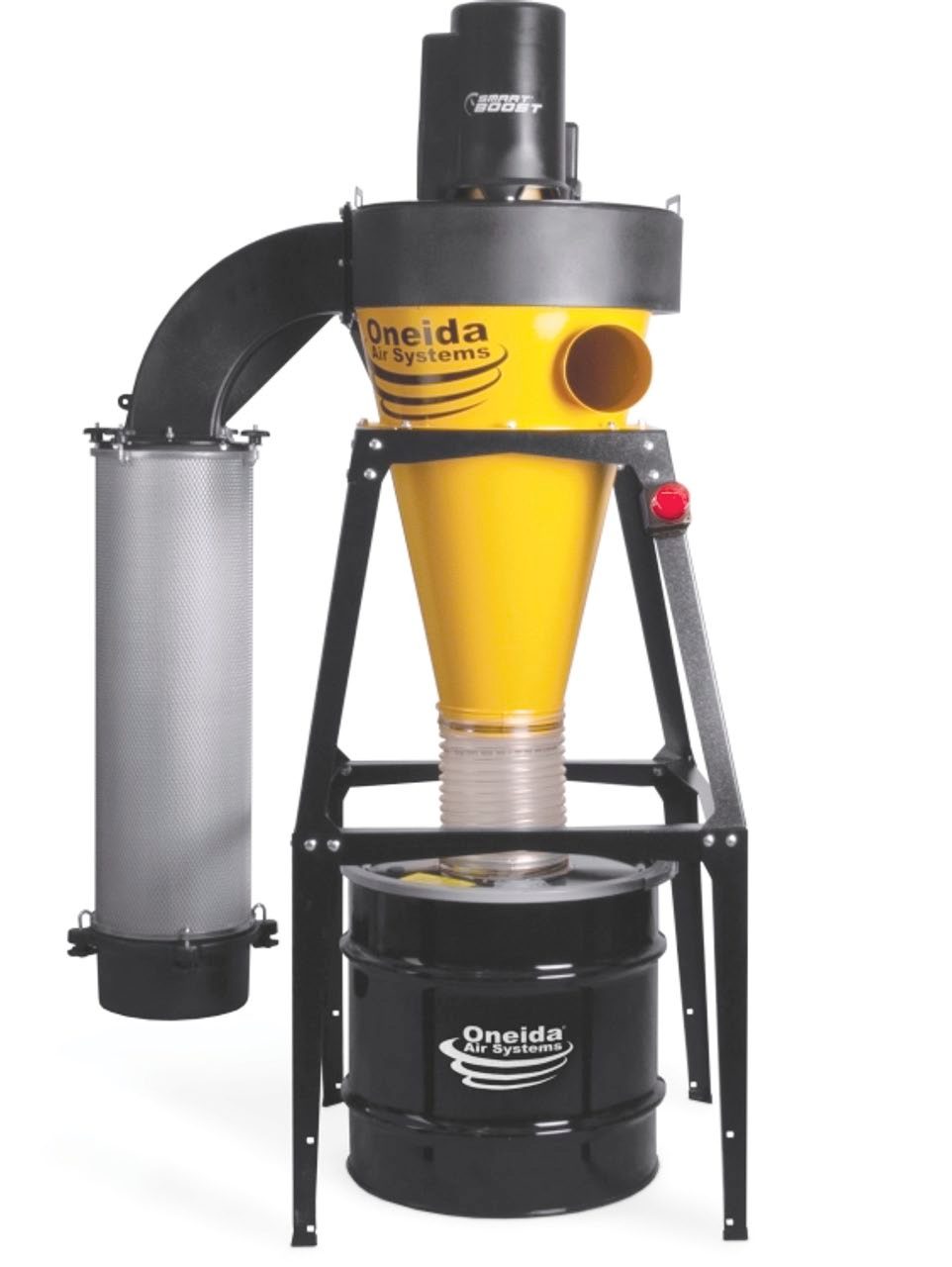
CFM (cubic feet per minute) and water lift (static pressure) are two key performance metrics used to evaluate dust collectors, but they measure different aspects of how the system moves air and handles resistance.
CFM measures the volume of air a dust collector can move in one minute. It indicates how much air the system can pull through, which is important for collecting dust and debris over a wide area, especially from large woodworking machines like table saws or jointers. A high CFM is best suited to dust collection systems with low resistance, such as short, straight duct runs and wide hose diameters.
Water lift, also known as static pressure and measured in inches of water, refers to the suction strength of the dust collector. It tells you how much force the system can exert to overcome resistance in the airflow path, such as long duct runs, narrow hoses or restrictive tool ports. Water lift is particularly important when collecting fine dust from small tools like sanders and routers or when using high-efficiency filters.
In general, CFM tells you how much air the system can move, while water lift tells you how hard it can pull that air through restrictions. There’s a trade-off between the two: as static pressure increases, CFM tends to decrease. That’s why larger dust collectors typically prioritize high CFM for moving air over long distances, while shop vacuums focus on high water lift for powerful suction through smaller hoses. Choosing the right dust collection system depends on the tools you’re using and how your dust collection set-up is configured.
In practical terms, a cyclone dust collector wouldn’t have a higher water lift than a single-stage collector due to increased airflow resistance introduced by the extra stage (the cyclone itself). As well, it would likely have slightly lower peak CFM than an equivalent single-stage collector because the cyclone chamber adds resistance to airflow (turbulence, friction and an extra stage to move air through). However, although cyclone systems start with slightly lower static pressure and CFM, they maintain performance better over time because the filters stay cleaner, which keeps CFM and suction from degrading, and there’s less clogging, so actual usable suction may be more consistent.