TIPS & HOW TO
Add structure and style to your backyard garden

Carl Duguay
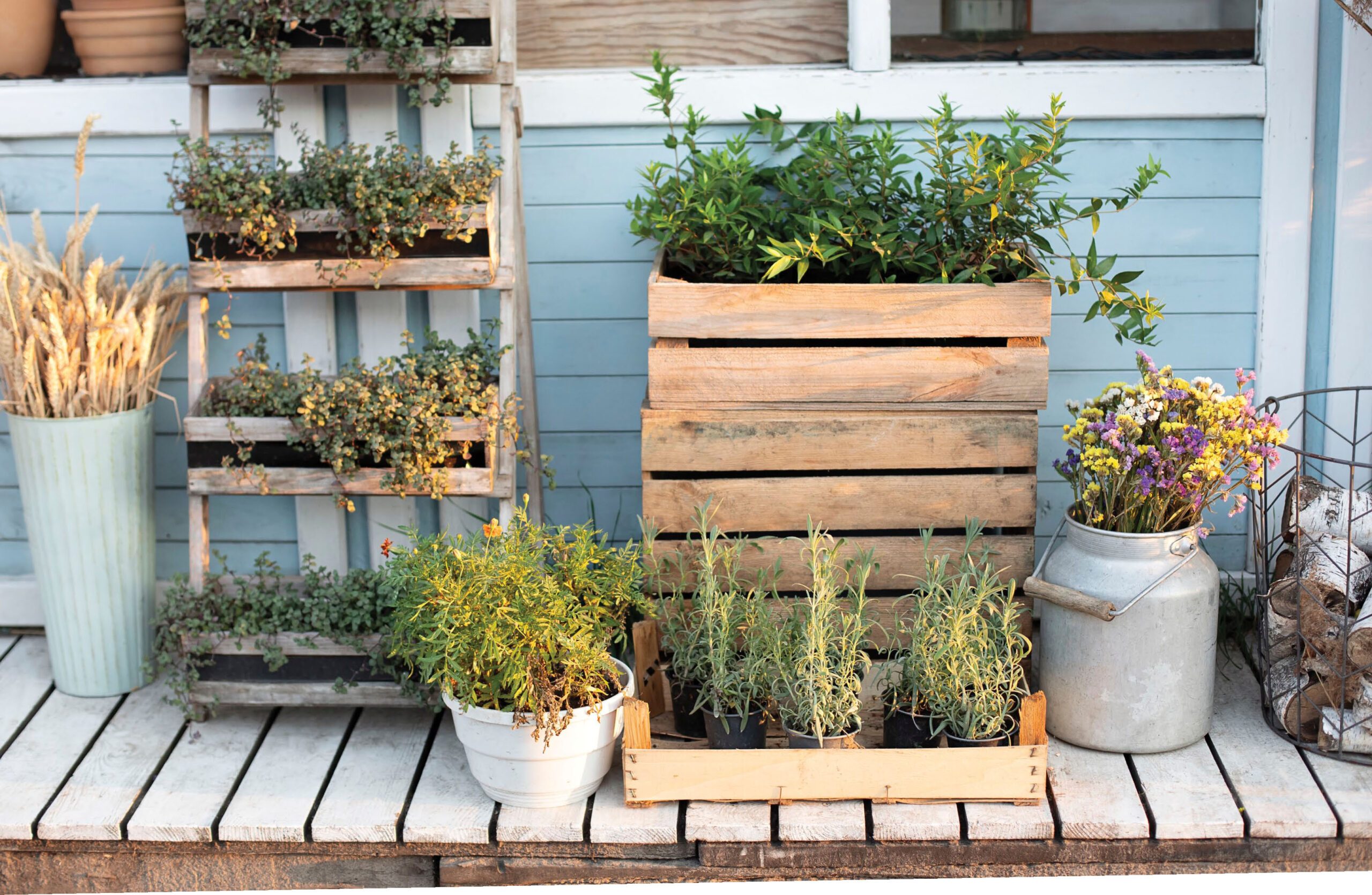
Grow food, save money and enhance your outdoor living space naturally.
A backyard garden doesn’t need to be perfectly pruned or rigidly structured to be beautiful and productive. In fact, letting it grow a little wild can turn your outdoor space into a thriving oasis that attracts birds, bees, butterflies and a sense of calm. Whether you’re starting with a few planters or transforming the whole yard, a backyard garden can offer more than just visual appeal. It can provide fresh herbs, vegetables, flowers, support local ecosystems and create a personal retreat just steps from your door. Gardening is known to reduce stress, improve mental well-being and encourage time outdoors. It’s also an excellent way to introduce children to nature and the importance of sustainability.
On your mark, get ready…
Before you begin, it’s worth thinking about your design goals. Consider how much space you have, how much time you can spend on maintenance and what kind of atmosphere you want to create. Do you want a lush edible garden, a wildflower patch that supports pollinators or a small, tidy herb garden close to the kitchen? Consider factors like sun exposure, wind protection, drainage and soil quality. Accessibility is important, too. Raised beds, for example, can make gardening easier on your back. Paths, flower borders and focal points can add visual interest, while allowing some areas to naturalize creates vital habitat for wildlife.
Tools to grow with
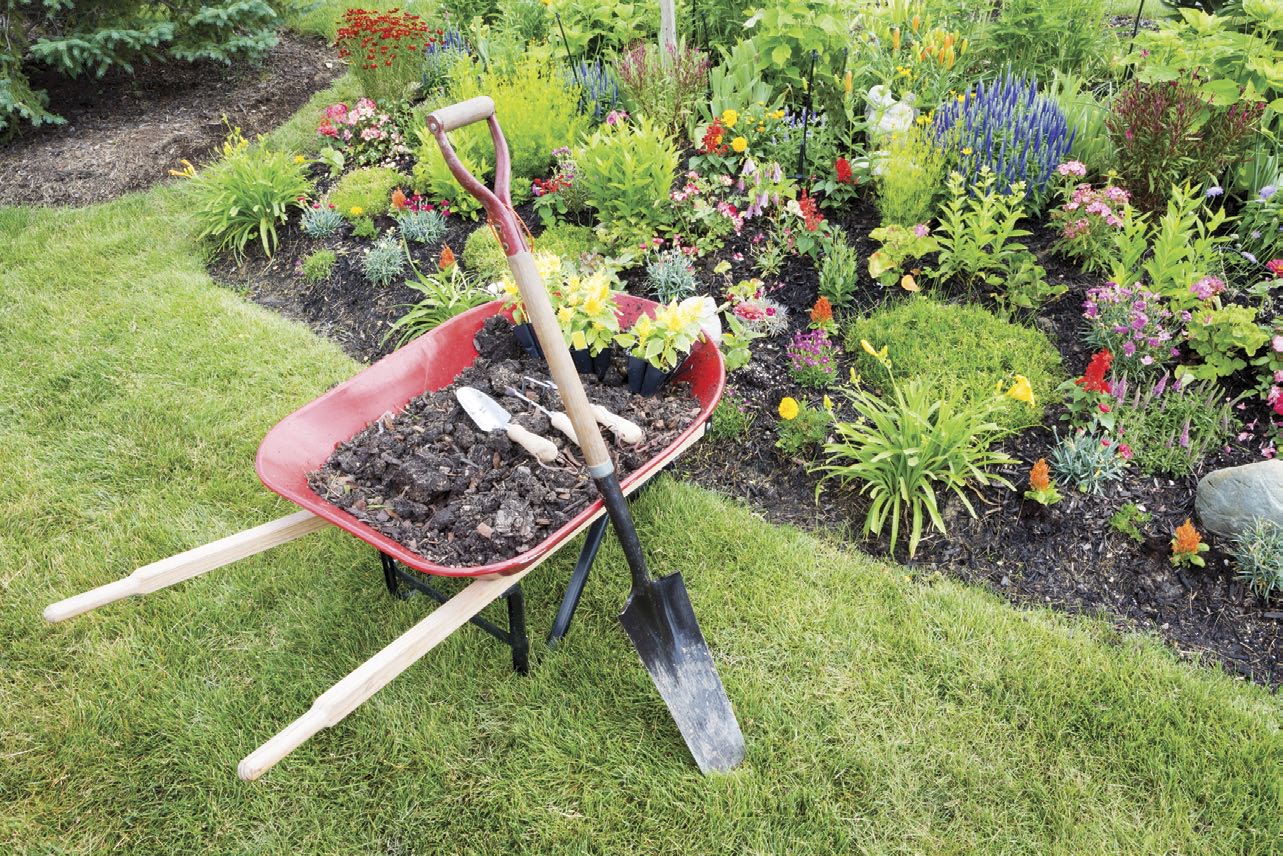
To get started, you don’t need a shed full of tools, just a few quality basics. A hand trowel, cultivator, garden gloves and a watering can or hose are often enough for small-scale projects. If you’re working with larger beds, a garden fork, shovel or spade, and a wheelbarrow can be helpful.
Time to start
Spring and fall are good times to plant trees, shrubs and perennials. Spring, of course, is the time to plant vegetables, herbs and annual flowers. Flowering annuals and vegetables can easily and economically be grown by sowing seed directly in the soil after the last spring frost. If space is tight, growing in containers is a good option. Many vegetables, annual flowers, herbs and even certain perennials will do well in containers as long as good drainage is provided.
Options galore
There’s more than one way to create a garden. Choose the approach that fits your space, style and maintenance goals. Everything listed here is well within the scope of most DIYers.
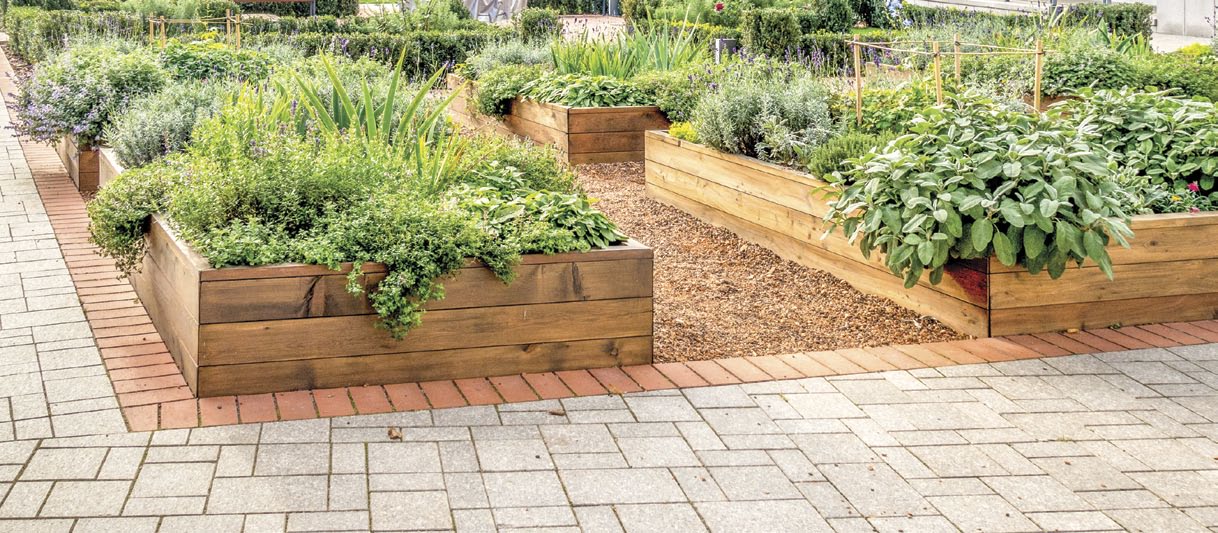
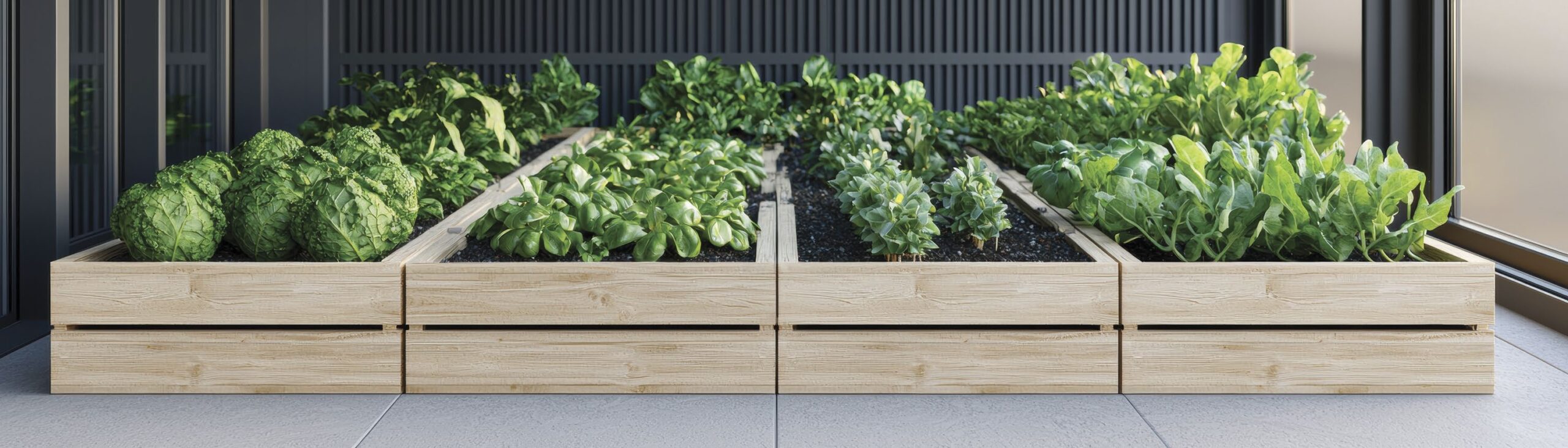
Raised beds are garden plots enclosed by wood, metal, stone or composite materials that raise the planting area above grade. They improve soil drainage and reduce soil compaction, especially helpful if your yard has heavy clay soil. If you have poor soil, it’s easy to incorporate soil amendments into raised beds. Because these beds warm up faster in spring, you can start planting earlier. Raised beds also make gardening more accessible — reducing bending and kneeling — which is ideal for older gardeners or anyone with mobility issues. They’re well-suited for permanent gardens and can be arranged in attractive layouts with paths in between.
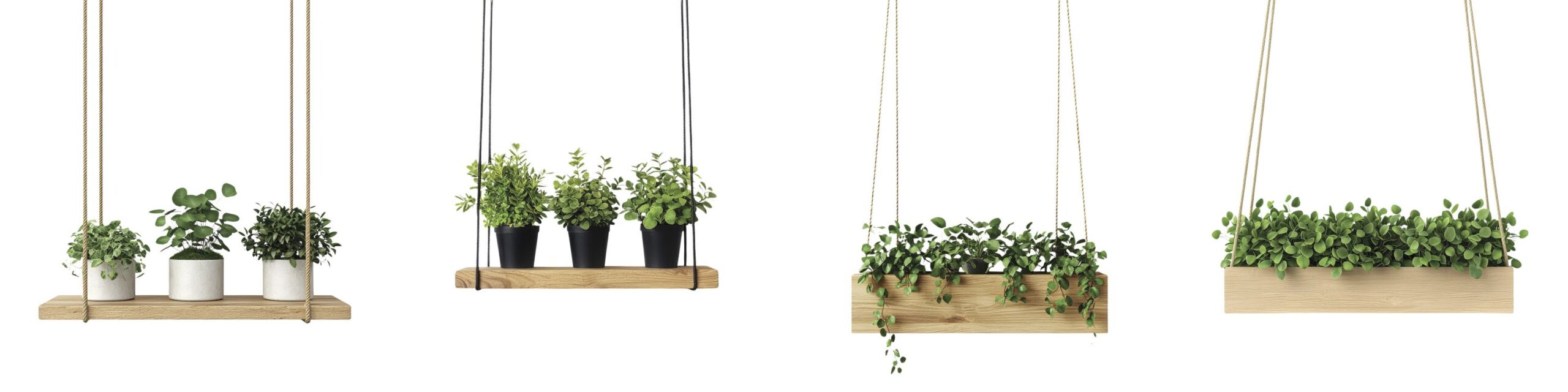
Hanging planters and baskets are containers suspended from hooks, brackets or ceiling mounts. They’re perfect for balconies, porches and areas with limited ground space. Great for growing trailing plants like petunias, strawberries or herbs, they can also double as decorative elements, adding vertical interest and colour to dull areas. Choose planters with good drainage and be mindful of wind exposure and sunlight; plants in hanging containers tend to dry out quickly and may require frequent watering. You can hang them from railings, arbours, pergolas or purpose-built stands.
Trellises are vertical frameworks made from wood, metal, bamboo or plastic that support climbing plants. They’re ideal for vertical gardening, especially when space is limited. Commonly used for peas, beans, cucumbers, roses and flowering vines like clematis or morning glory, trellises promote good air circulation, helpful in preventing disease, and keep fruits and flowers off the soil, reducing rot. Trellises also create visual interest and can act as living screens or privacy dividers. They’re adaptable to a variety of styles, including freestanding, wall-mounted or arch shapes, and are easy to customize to match your garden aesthetic.
Self-watering planters have built-in reservoirs that automatically supply water to plant roots through capillary action. These are a fantastic option for busy or forgetful gardeners, as they help maintain consistent moisture levels. This system minimizes overwatering which can cause root rot and can extend the life of the plant during dry periods or vacations. They’re excellent for herbs, flowers and vegetables and come in a range of styles, from modern patio pots to compact windowsill units.
Plant boxes (also called planter boxes or garden boxes) are containers that hold soil and plants, usually rectangular or square in shape. They’re versatile, come in a variety of materials (wood, plastic, metal) and are typically used for growing flowers, herbs or vegetables on patios, balconies and porches. Many have handles or casters, making them easy to reposition for better sun exposure or seasonal rearrangement. They offer more root space than hanging planters and can be used to define outdoor “rooms” or soften hard landscaping features like fences or railings.
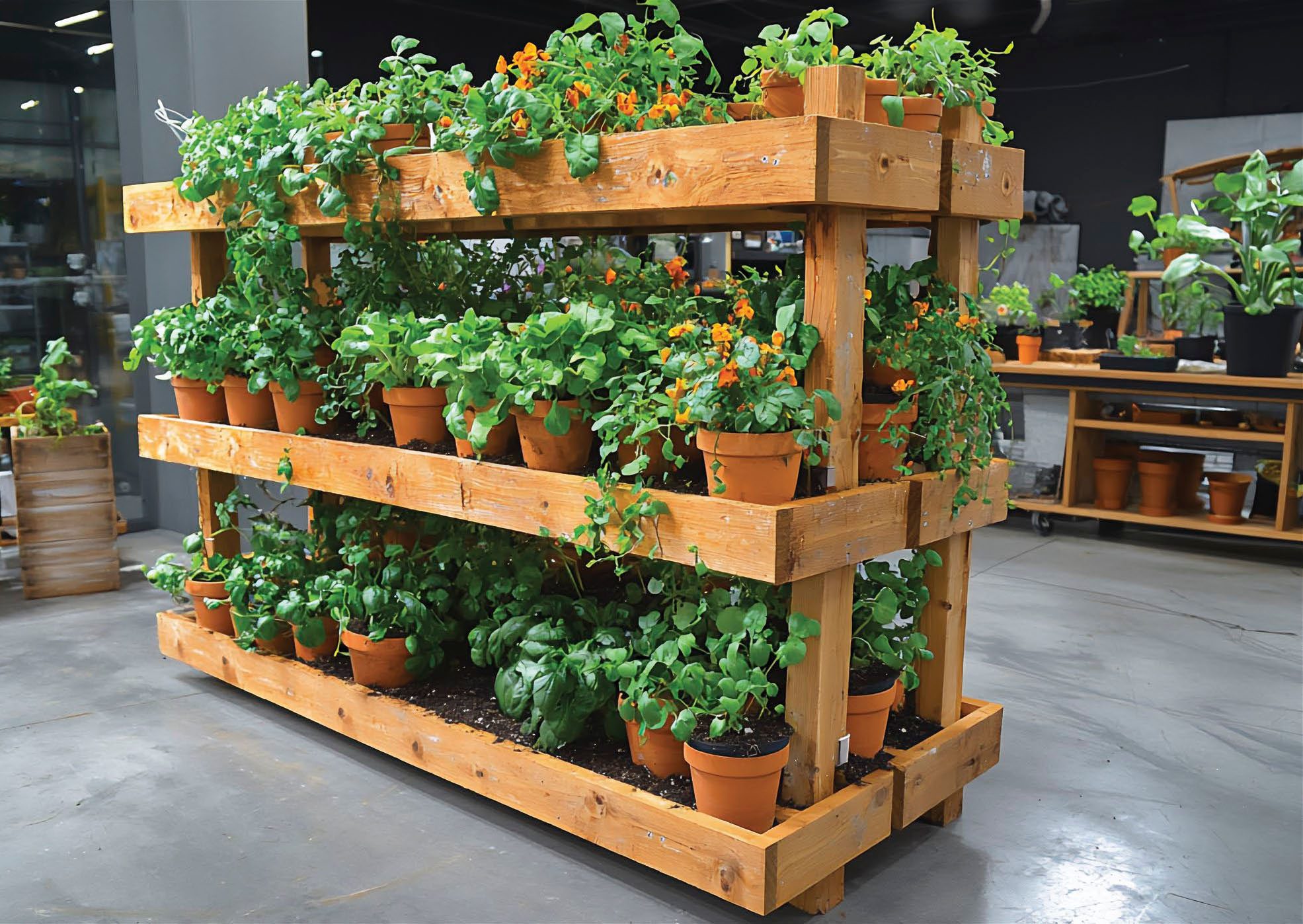
Multi-tiered planters consist of stacked shelves or containers arranged vertically, allowing you to grow multiple plants in a compact footprint. They’re excellent for maximizing growing space on patios, balconies or decks, and can accommodate a variety of plant types, such as leafy greens, strawberries, herbs or cascading flowers. These planters not only save space but also make harvesting and maintenance easier, as upper tiers are closer to eye level. Many designs allow you to rotate or adjust the tiers to optimize sun exposure.
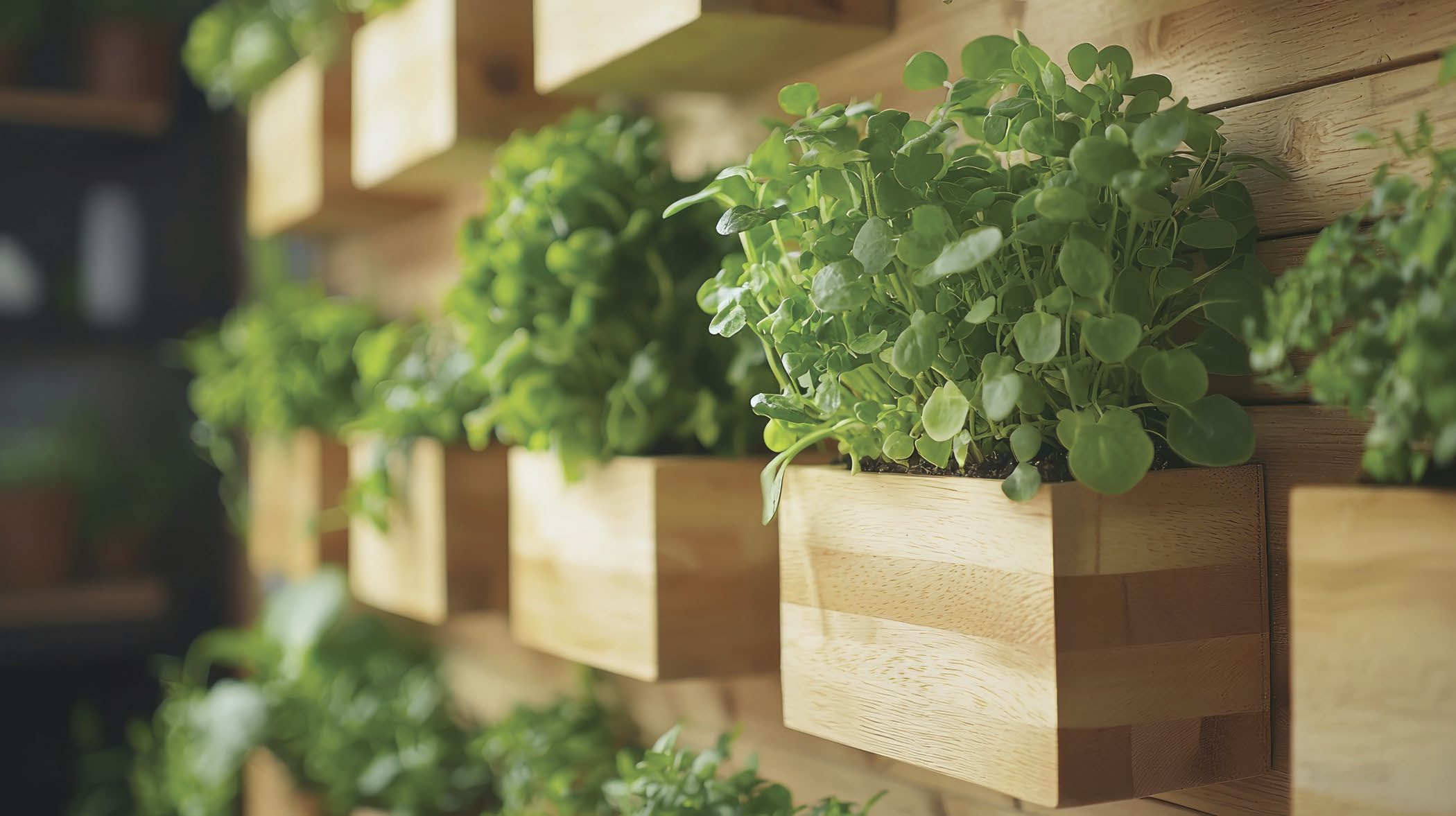
A vertical garden involves growing plants upward using wall-mounted structures, frames, pockets or shelves. It’s a practical solution for tight spaces or urban environments where horizontal space is limited. Vertical gardens can be modular (with replaceable planters or trays) or built-in systems that include irrigation. They’re well suited for growing herbs, small vegetables or flowers, or succulents. Besides saving space, vertical gardens can act as privacy screens or focal points. You’ll need to plan for adequate watering and sunlight distribution, because top plants may dry out faster than those at the bottom.
A living plant wall, or green wall, is a more advanced form of vertical gardening that typically involves dense plant coverage growing from specially designed wall systems. These walls can be freestanding or mounted and often include irrigation systems to keep plants hydrated. Living walls are used both outdoors and indoors to soften architecture, improve air quality and provide insulation. They’re highly effective at reducing heat and noise and add dramatic visual impact. Popular plants include ferns, mosses, sedums and trailing vines. Installation requires more planning and maintenance than a standard vertical garden, but delivers a lush, immersive result.
What to grow?
Choosing what to grow depends on what you want from your garden — beauty, food, fragrance, pollinator habitat or a bit of each. Many people enjoy growing vegetables like tomatoes, lettuce and peppers, or herbs such as basil, mint and thyme. To support pollinators and biodiversity, consider planting lavender, milkweed, echinacea or other pollinator-friendly species. Native plants are especially valuable because they’re well adapted to your local climate and soil conditions, and typically require less water and maintenance.
Success in the garden often comes down to understanding basic needs like soil, nutrients, sun and water. Most vegetables and flowering plants require six to eight hours of sun a day. Soil should be well-draining and rich in organic matter, such as compost. Group plants with similar light and water needs together to make care easier and avoid over- or under-watering.
Keep it growing
Maintaining your garden can be simple and even enjoyable when done consistently. Water deeply and regularly, especially during dry spells. Remove weeds before they compete with your plants for nutrients. Prune dead or diseased stems and mulch bare soil to retain moisture and suppress weeds. Feeding your plants with compost or organic fertilizer every few weeks can also help them thrive.
For a more sustainable approach, consider eco-friendly gardening practices. Compost your green kitchen waste (excluding meats, bones, dairy and fats) and yard waste to create natural fertilizer. Collect rainwater in barrels for irrigation. Avoid using synthetic pesticides or fertilizers, which can harm beneficial insects and pollute runoff. Instead, encourage helpful creatures like ladybugs and birds, and plant native species that are naturally resilient.
Bug off
Every garden faces its share of pests and problems, but many issues can be managed with a bit of observation and care. Direct a strong spray of water at aphid infestations and manually remove slugs and caterpillars. Other natural solutions include neem oil, barriers and insecticidal soap to keep pests in check. Yellowing leaves might signal overwatering or a nutrient deficiency, while powdery mildew can often be prevented by improving airflow around plants and avoiding overhead watering.
Letting your backyard grow a little bit wild offers unexpected rewards. Native plants and natural landscaping invite pollinators and birds, while looser, softer borders give your garden a relaxed, lived-in beauty. Over time, your garden will evolve, and so will your connection to the land.
Growing wild doesn’t mean giving up control; it means learning to work with nature instead of against it.
Photos credit: Lead photo Katerinatodorchyk | Dreamstime.com
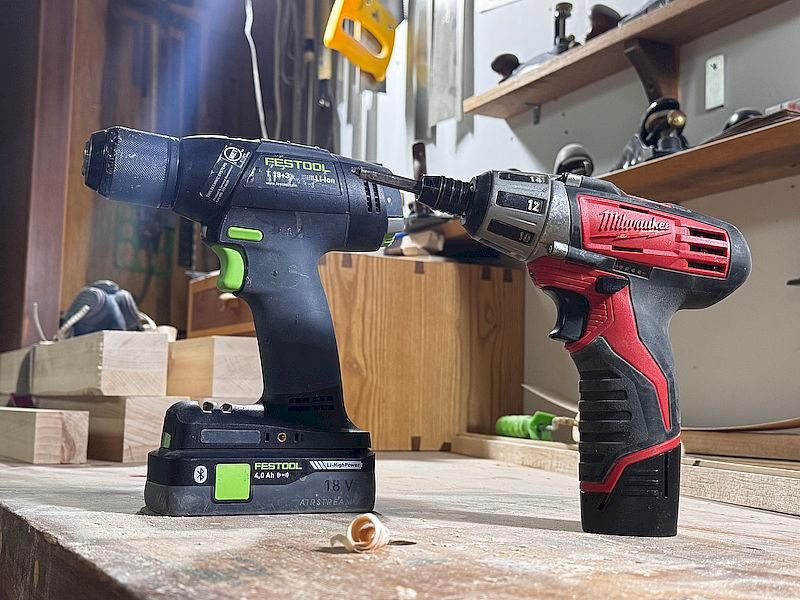
Some Basic Tools
Like woodworking and DIY, a few basic tools will help you be productive and efficient when working. (Ozgur Coskun | Dreamstime.com)
Raised Beds
While they’re more work to create, raised beds have many advantages. Improving drainage and soil composition are two positive effects of having raised beds. Increased accessibility is also a huge plus for some folks.
Hanging Planters
Hanging planters have both functional and aesthetic benefits for the backyard gardener. They’re also easy for most woodworkers to make.
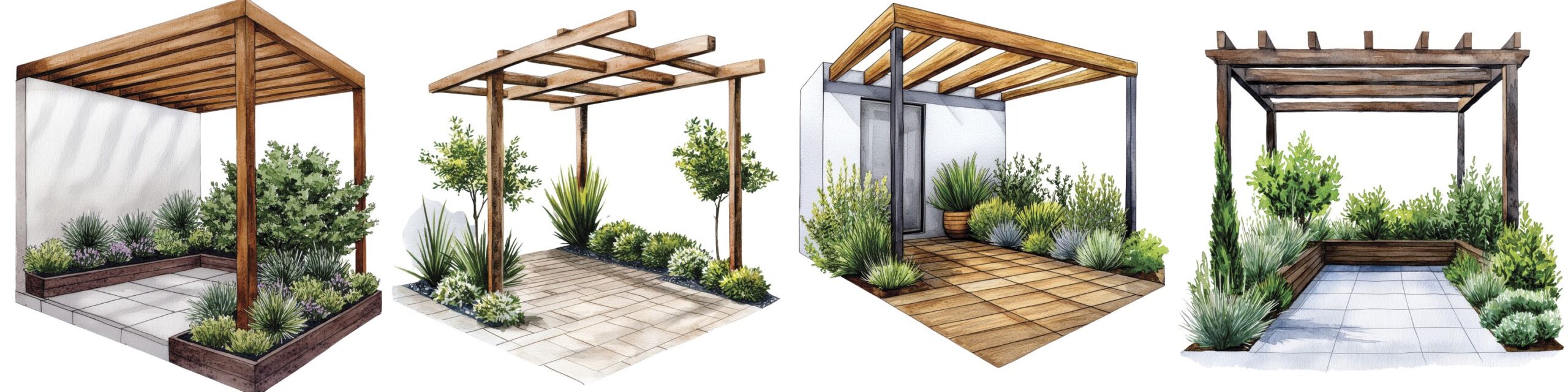
Pergolas
A pergola is great for adding a vertical element to your backyard garden. They can provide a structure for climbing vines and also help define a space.
Self-Watering Planters
Some planters have self-watering capabilities, a great option if you travel a lot or tend to be forgetful.
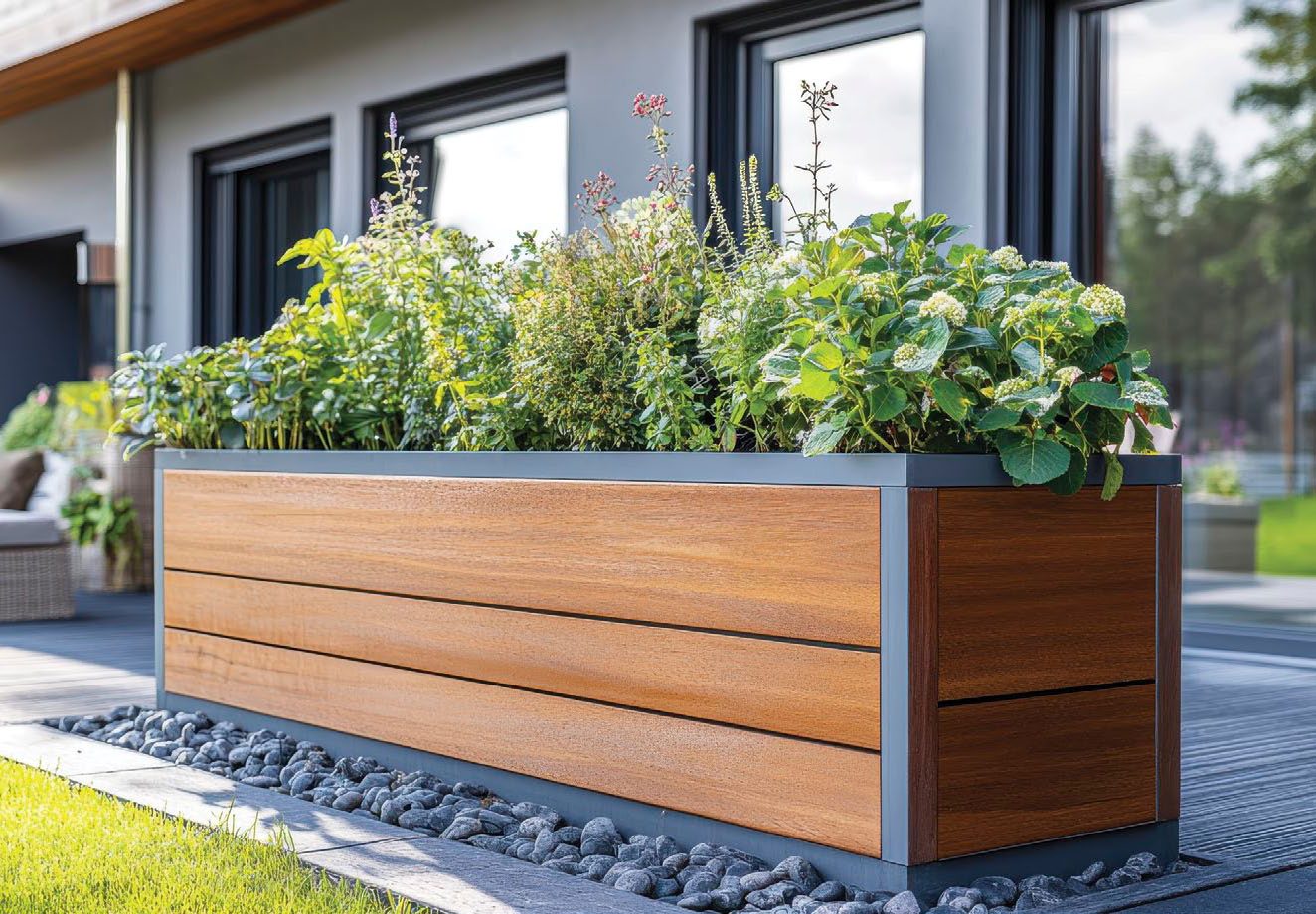
Plant Boxes
Plant boxes are small, movable boxes that house soil and plants. They can be moved around a yard, patio or balcony to catch more (or less) sun.
Maximize Growing Space
Multi-tiered planters make the most of a small area. Potted plants can usually be moved around the planter as needed.
Living Plant Walls
Used both indoors and out, living plant walls house many plants in a small area, while also help define spaces and provide privacy.