TIPS & HOW TO
The Difference: sapwood and heartwood

Carl Duguay
Sapwood and hardwood are two distinct types of wood found within a tree, and understanding the difference between them is important for selecting, working with and finishing wood.
Sapwood is the younger, outermost part of a tree, located just beneath the bark. It plays an essential role in the life of the tree by transporting water and nutrients from the roots to the leaves. Sapwood is typically lighter in colour and contains more moisture when freshly cut.
In contrast, heartwood is the older, inner core of a tree. As the tree ages, the inner sapwood cells die off and transform into heartwood, which no longer conducts water. This section becomes infused with natural resins, oils and extractives, giving it a darker colour and often a denser structure.
The thickness of both the heartwood and softwood rings varies from species to species, with some trees having more sapwood than heartwood, and vice versa.
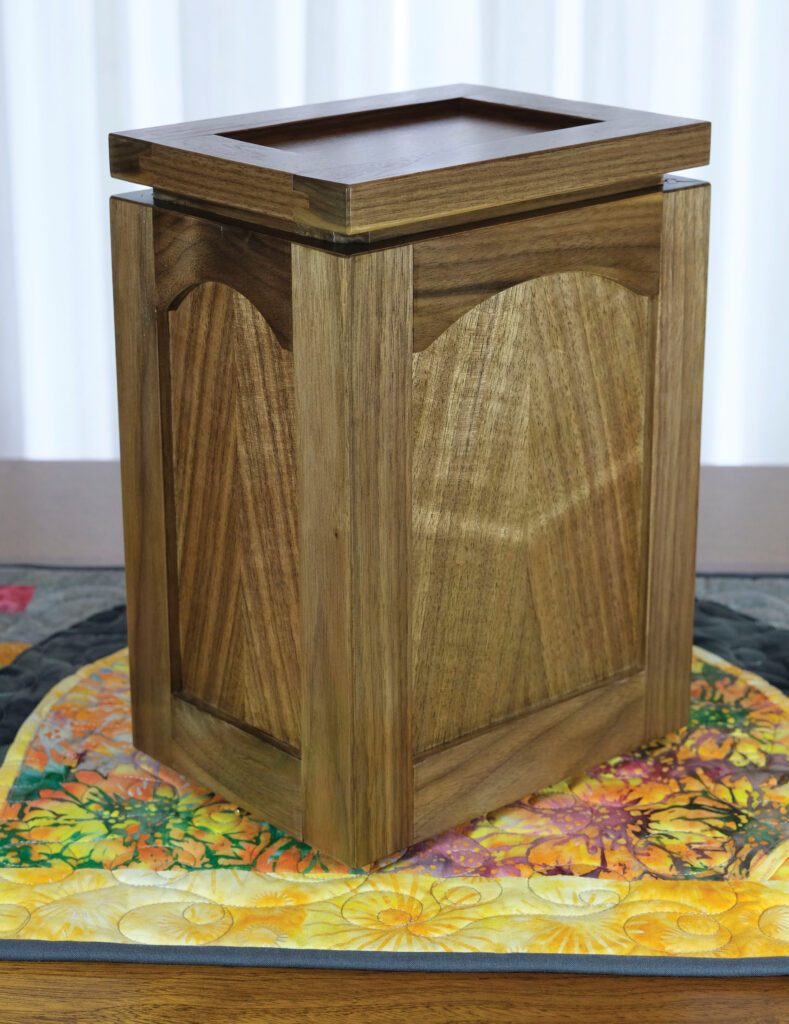
The difference between sapwood and heartwood matters for several reasons. Visually, the contrast between them can be significant. In species such as walnut, cherry and mahogany, the heartwood is often much darker and richer in tone than the pale sapwood. This can affect the aesthetic of a finished piece. Many woodworkers prefer to highlight heartwood in visible areas of furniture and cabinetry for its uniform colour and pleasing grain, while sapwood may be used in secondary or hidden parts or selectively included as a design element. Though some woods, like maple and white ash, are sought after for their light-coloured sapwood.
Durability is another consideration. Heartwood, being more resistant to moisture and pests, is better suited for outdoor furniture or pieces that will be exposed to changes in humidity. Sapwood, by comparison, is more permeable and less rot-resistant, which can limit its usefulness in demanding environments unless properly sealed or treated.
There are also subtle differences in how the two respond to machining and finishing. Sapwood’s higher initial moisture content means it may move more as it dries, increasing the chances of warping or checking. Additionally, when it comes to applying stains or finishes, sapwood and heartwood can absorb products at different rates, sometimes leading to blotchy or uneven colouring. Woodworkers often test finishes in advance or use dyes and sealers to achieve a more consistent appearance across both types of wood.
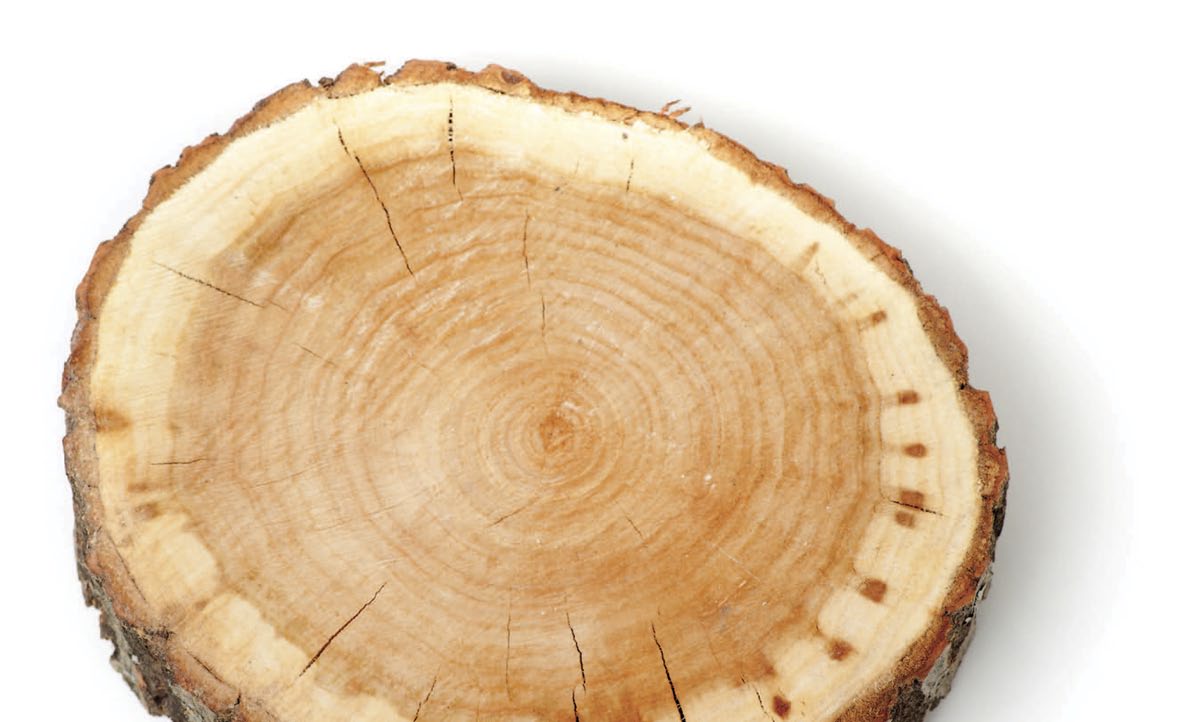
Tree Cross Section
Sapwood is always lighter and towards the outer bark of a tree, while heartwood is always darker and is in the centre of the tree. The percentage of sapwood versus heartwood in a tree varies greatly by species.