
I’ve been involved in woodworking, in one way or another, for nearly half a century. For almost half of that time, I’ve also worked as a writer and editor, which has given me the opportunity to see woodworking from two distinct perspectives: as a productive, hands-on activity, and as a creative pursuit shaped by the people who practice it. It’s become more apparent to me that it’s woodworkers themselves who drive the craft forward, across its many diverse streams — furniture making, carving, turning, marquetry, whittling, and more. The craft of woodworking has, I think, always been both personal and practical, and the trends that emerge are less about tools or techniques alone and more about how woodworkers choose to work, solve problems, and express themselves in the shop.
Sustainability, for example, is becoming part of everyday decision-making rather than a special consideration. More woodworkers are reaching for reclaimed lumber, urban-harvested trees, and responsibly sourced stock, not just to be environmentally mindful, but because these materials often have more character and a better story than pristine boards. Alongside that, finishes and adhesives with low VOCs and plant-based ingredients are becoming the norm, and there’s a noticeable push to make better use of offcuts by turning them into feature details or mixed-wood designs instead of shop scraps.
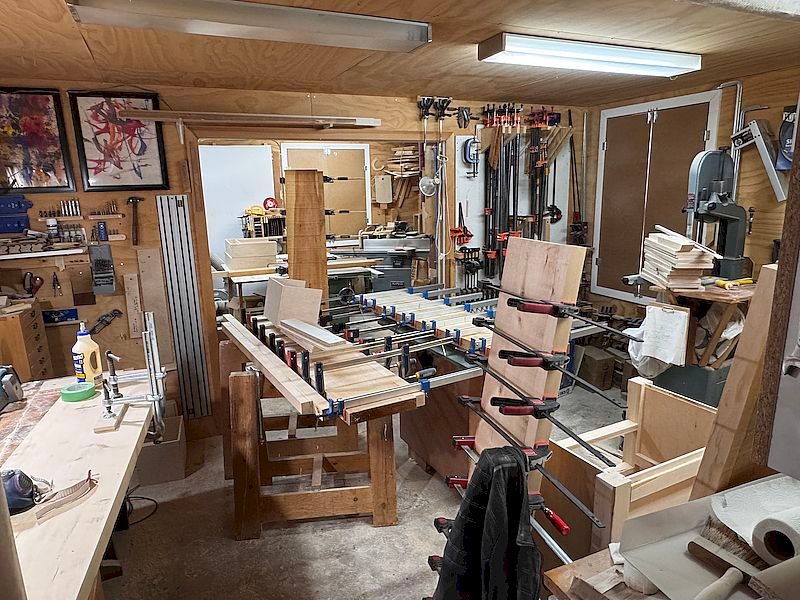
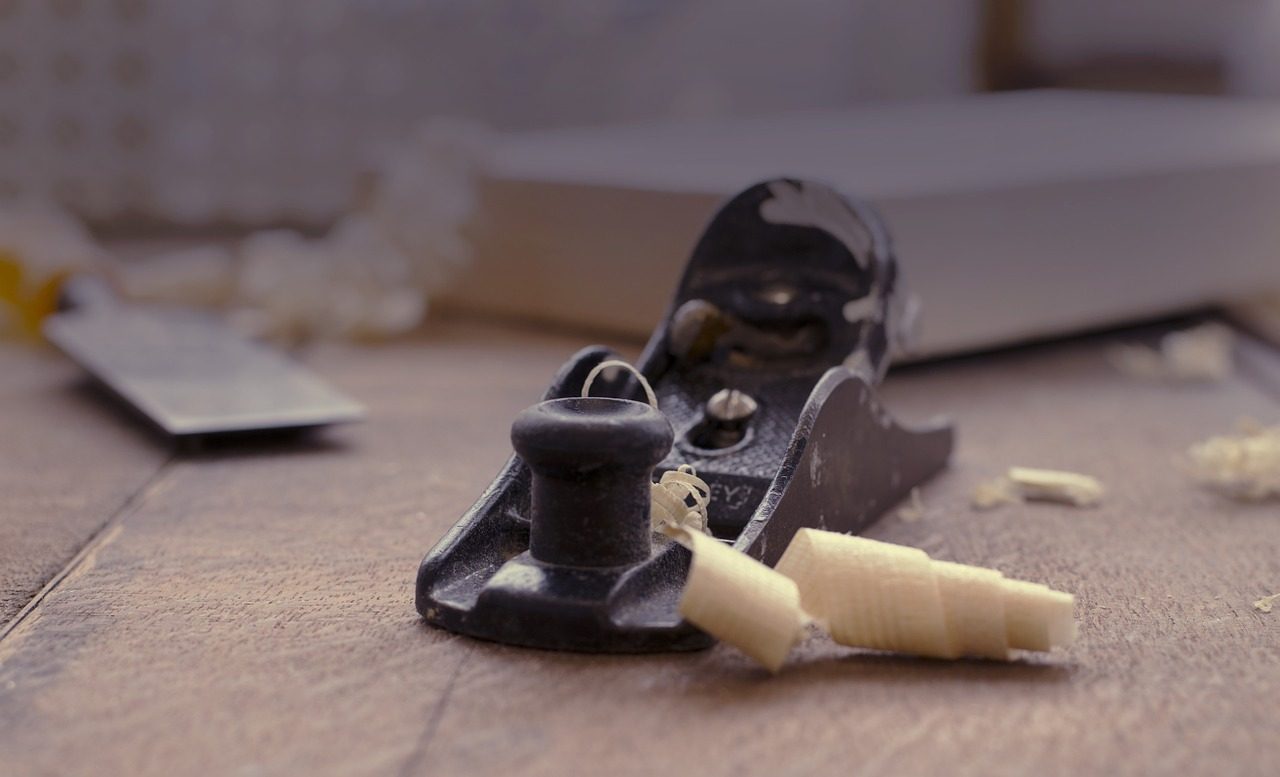
At the same time, I see more shops settling comfortably into a hybrid way of working that blends traditional hand skills with modern technology. CNC machines, CAD software, and digital layout tools are no longer reserved for big commercial shops; they’re showing up in home workshops as practical tools for accuracy and repeatability. That said, hand planes, chisels, and hand-cut joinery aren’t going anywhere. For many of us, those tools are still at the heart of why we enjoy woodworking, and technology is increasingly being used to support those skills rather than replace them.
Project choices in 2026 also feel more personal and practical. Live-edge pieces and organic forms continue to appeal because they let the wood speak for itself, while modular and multi-functional furniture reflects how our homes and workspaces need to adapt. I expect to see fewer “showpiece only” projects and more furniture that’s meant to be used every day, with a bit of character and evidence of the maker’s hand.
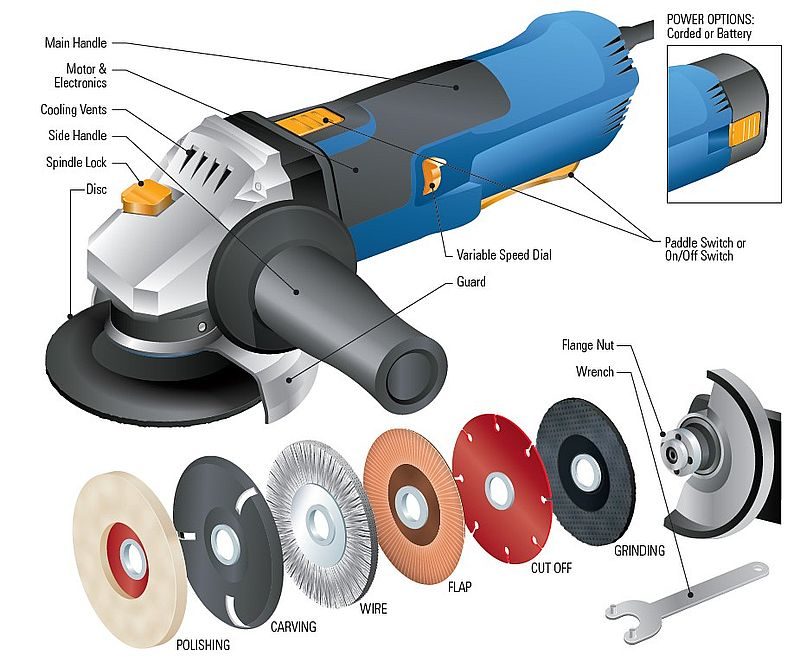
Tool trends follow that same balanced approach. Smart and connected power tools are gradually making their way into the shop, offering better precision and safety without demanding a complete overhaul of how we work. At the same time, well-made traditional tools are still highly valued, especially by hobbyists who want tools that will last and improve with use. Smaller CNC machines, laser cutters, and even 3D printers are becoming just another option in the shop, often used for jigs, templates, and small details rather than replacing core woodworking tools.
Technique-wise, there’s a renewed appreciation for strong, well-designed joinery, including classic joints that are adapted for modern workflows. Steam bending and green woodworking are also seeing a quiet resurgence, especially among woodworkers who enjoy shaping wood in ways that feel more organic and intuitive. Digital planning tools are making these techniques more approachable, helping bridge the gap between an idea on paper and a finished piece on the bench.
Perhaps most encouraging is how learning and community continue to grow. Online forums, shared plans, and collaborative spaces make it easier than ever to learn from others, solve problems, and stay motivated. To me, woodworking in 2026 looks less about chasing trends and more about building a shop and a practice that fits who you are, how you like to work, and the kind of projects you want to bring to life.
Let us know what your thoughts are!