TIPS & HOW TO
The Difference: Mineral spirits and paint thinner

Carl Duguay
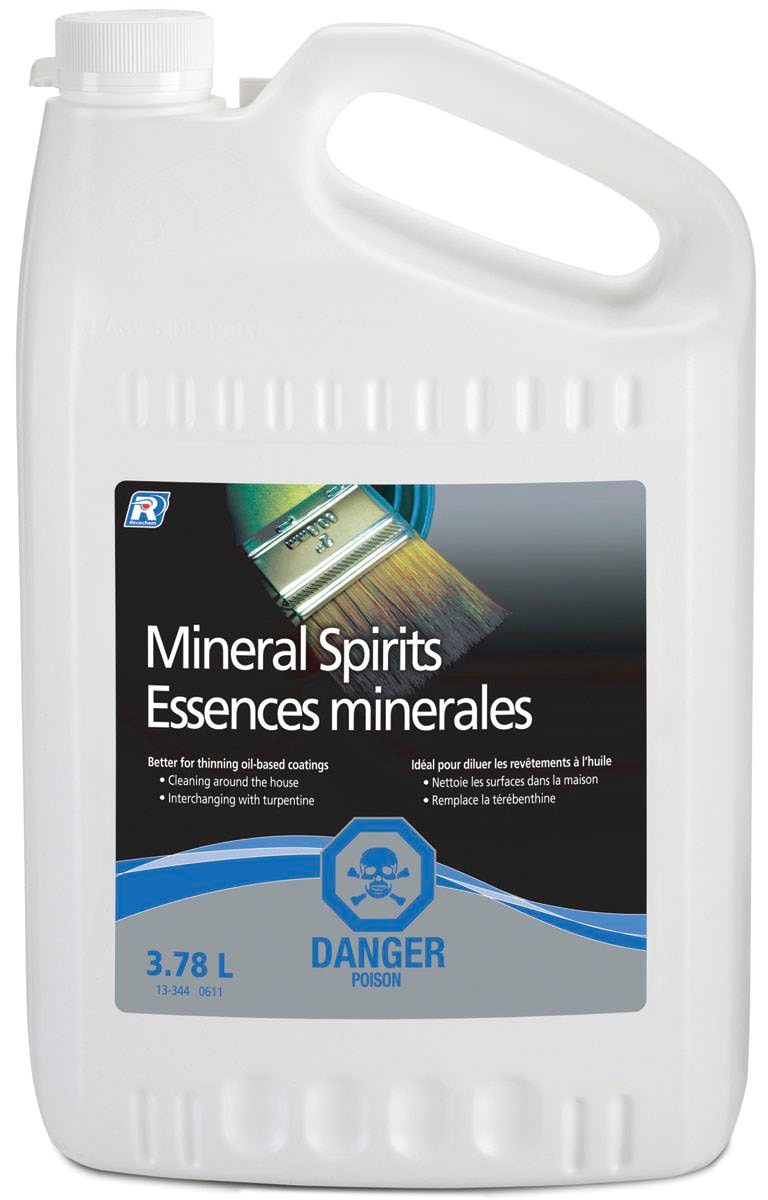
Mineral spirits and paint thinner are often thought to be the same thing, and while they are closely related solvents with overlapping uses, there are some key differences in terms of purity, odor and performance.
Mineral spirits are a petroleum-based solvent that’s more highly refined than general-purpose paint thinner. They’re commonly used for thinning oil-based paints and varnishes, cleaning brushes and tools, and degreasing surfaces in both woodworking and painting. One of the biggest advantages of mineral spirits is that they produce a relatively mild odor, especially in their odorless or de-aromatized form. They evaporate more slowly than paint thinner, which can be beneficial when you want to reduce brush marks or allow more open time when working with finishes.
Paint thinner, on the other hand, is a broader term that generally refers to a less refined solvent — often a lower-grade form of mineral spirits or a mixture of various petroleum-based solvents. While it performs many of the same functions as mineral spirits, paint thinner tends to have a stronger, more pungent smell due to its impurities. It also typically evaporates faster and is usually less expensive, making it a more economical choice for cleaning tools or removing grease and grime from surfaces.
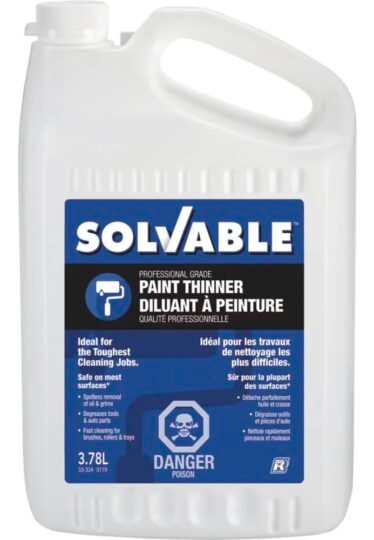
In practice, use mineral spirits for their more consistent performance and lower odor, especially when working in enclosed spaces or when a clean finish is important. Paint thinner may be more appropriate for rougher cleanup tasks or where cost is a concern and odor isn’t a major issue.
It’s worth noting that while all mineral spirits can be considered a form of paint thinner, not all paint thinner is pure mineral spirits. For the cleanest results and safest handling, especially when working with fine woodworking finishes, mineral spirits — particularly the odorless variety — are usually the better choice.