

Canadian Woodworking, offers guides to help woodworkers select, use, and maintain their tools effectively and confidently.
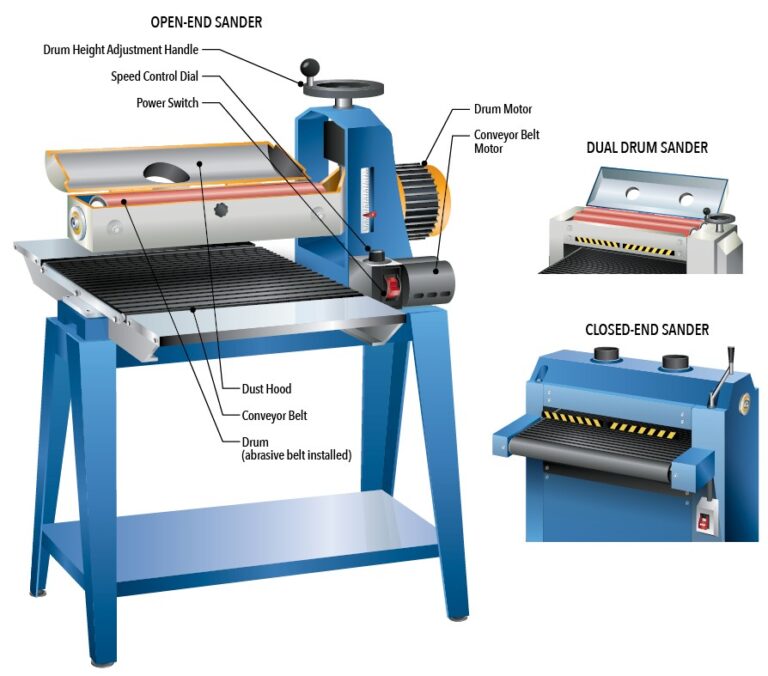
Drum sanders are a quick and efficient way to sand large panels save you hours of sanding by hand.
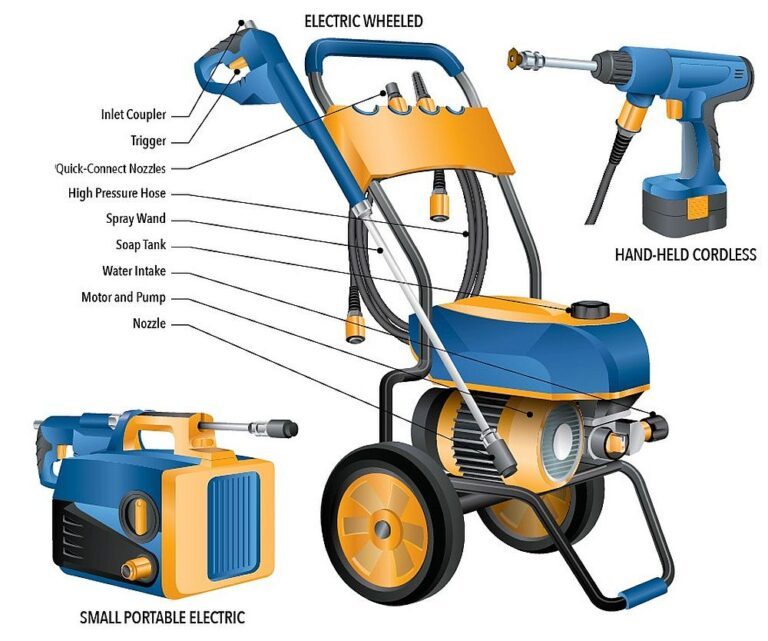
A pressure washer (PW) pumps water at high pressure through a hose and nozzle to clean various hard surfaces.
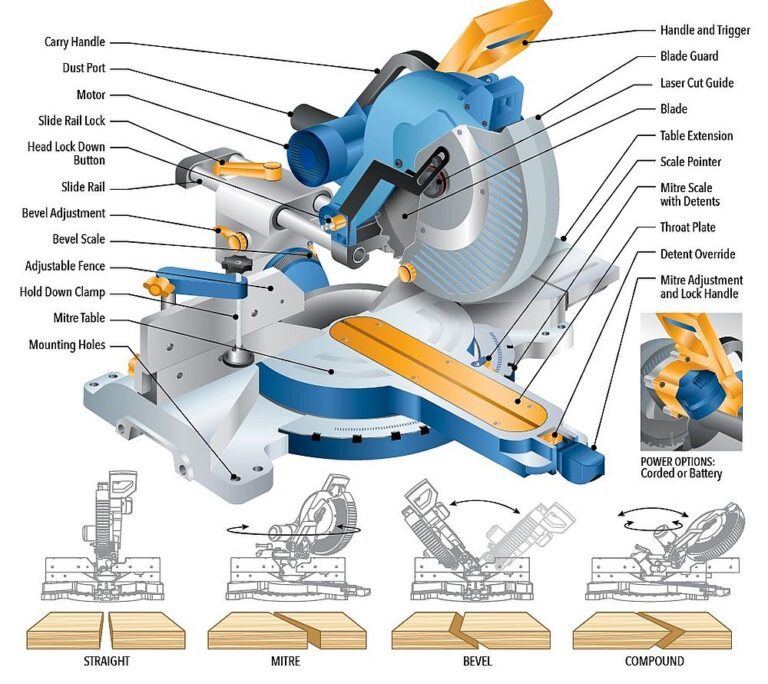
With a mitre saw you can make crosscuts, mitre cuts, bevel cuts and compound cuts.
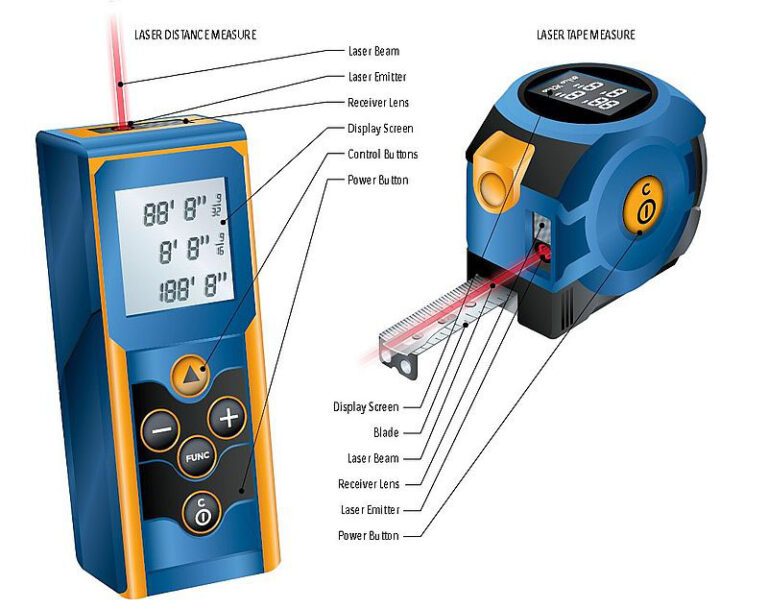
While a tape measure is a great choice for distances up to about 16', for longer distances a laser distance measure (a.k.a. digital laser meter) is easier and faster to use, highly accurate and offers much more functionality.
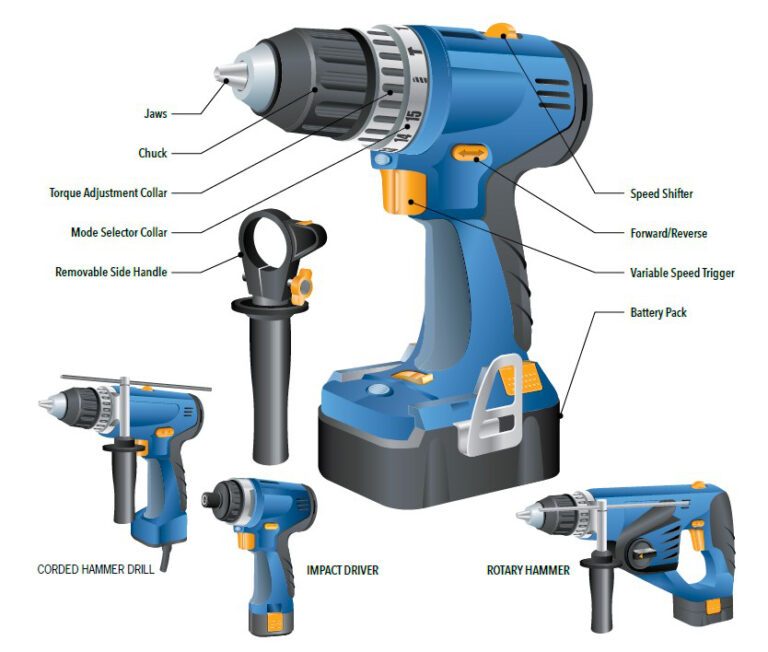
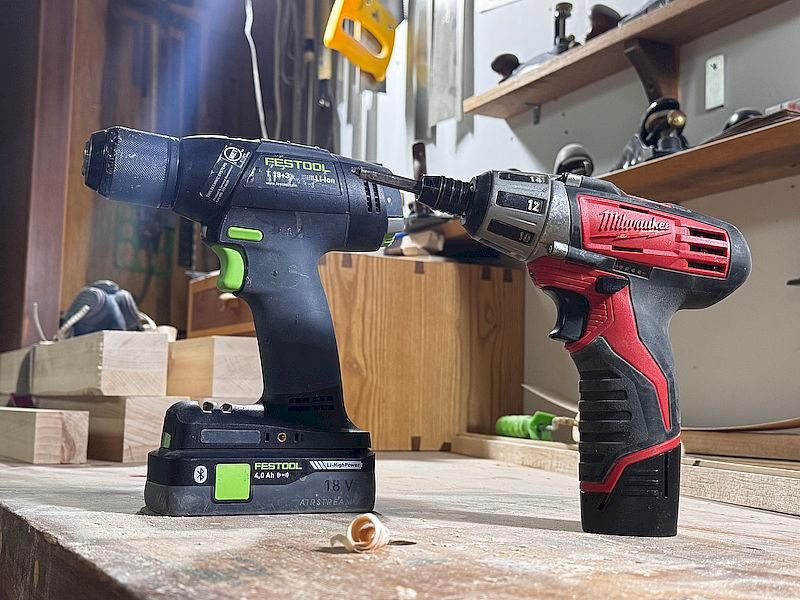
A hammer drill is similar to a conventional drill/driver in that it uses rotational force to turn a drill bit or driver bit. However, it also uses a hammering function to create a vibrating action.
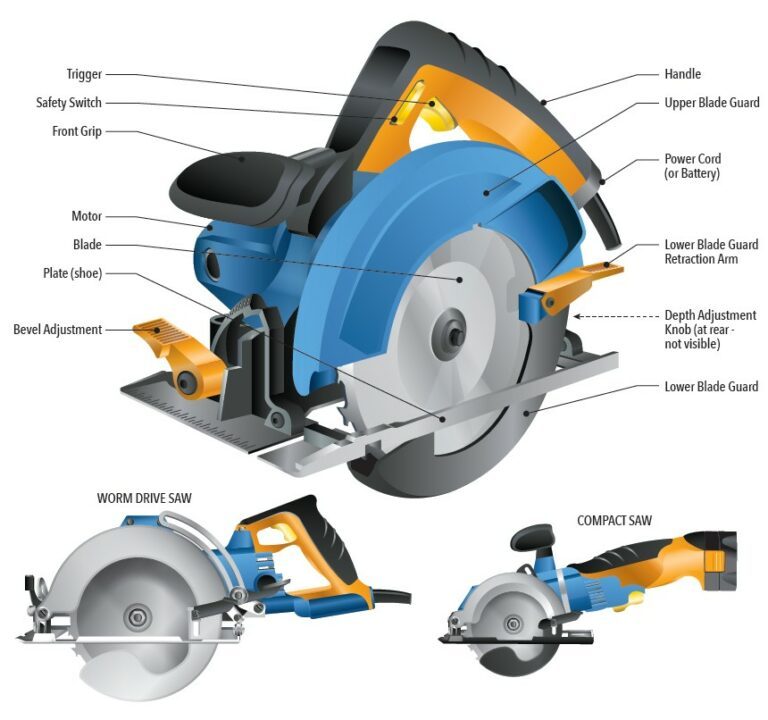
A circular saw can make crosscuts and rip cuts, and bevel, angled and compound cuts.
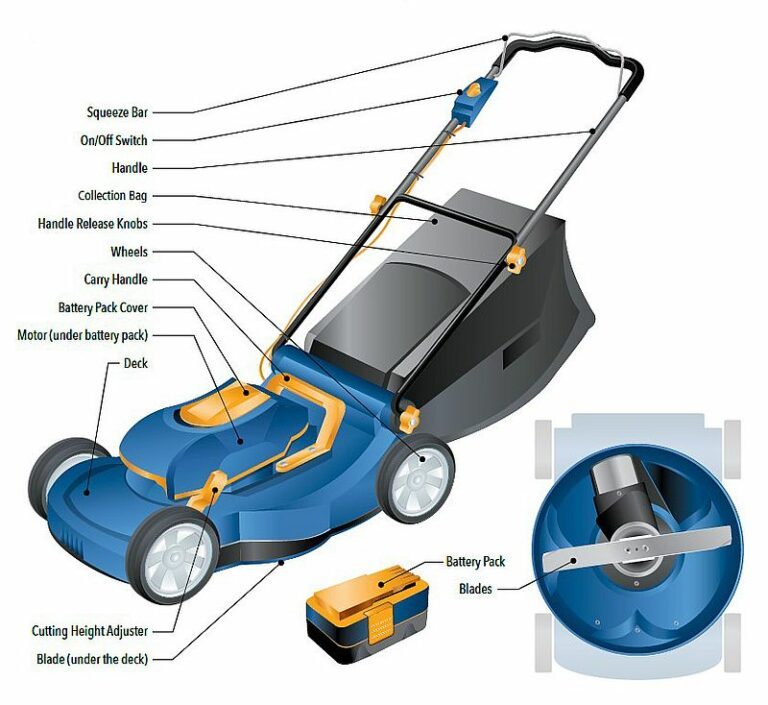
There are four types of cordless lawnmowers – push, self-propelled, riding and robot. The two most popular and affordable are push and self-propelled.
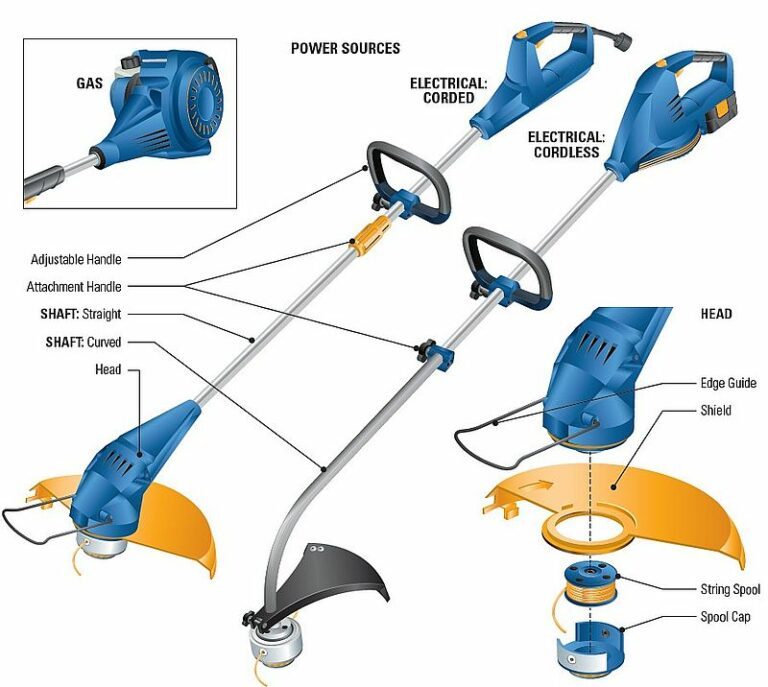
String trimmers (a.k.a. weed whackers or weed eaters) are available as corded electric, battery powered and gas models that can have 2- or 4-stroke engines.
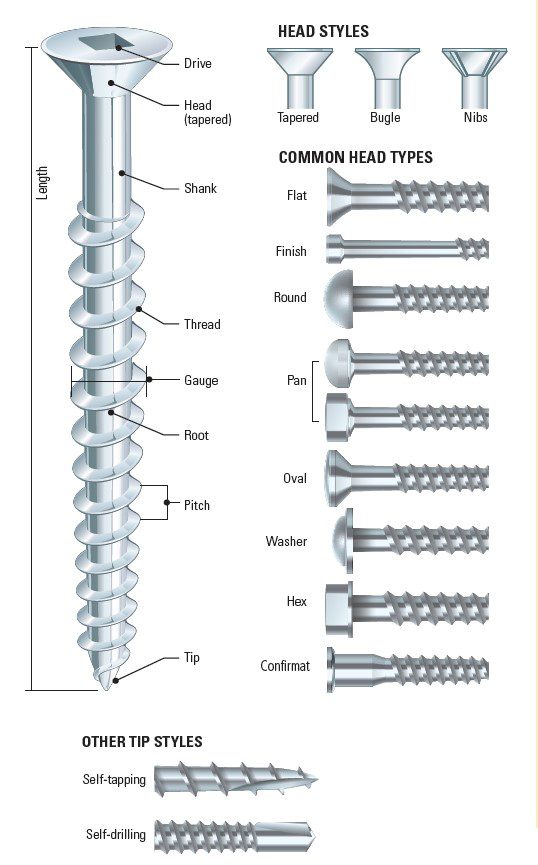
Woodworking screws are available in hardened steel, stainless steel, solid brass or silicon bronze.
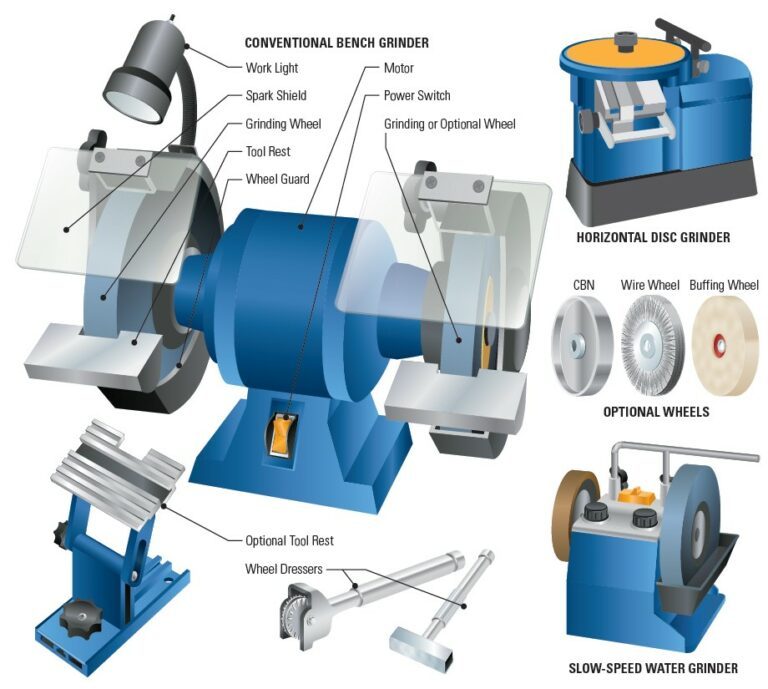
With a bench grinder you can reshape and sharpen all your cutting tools easily and quickly.

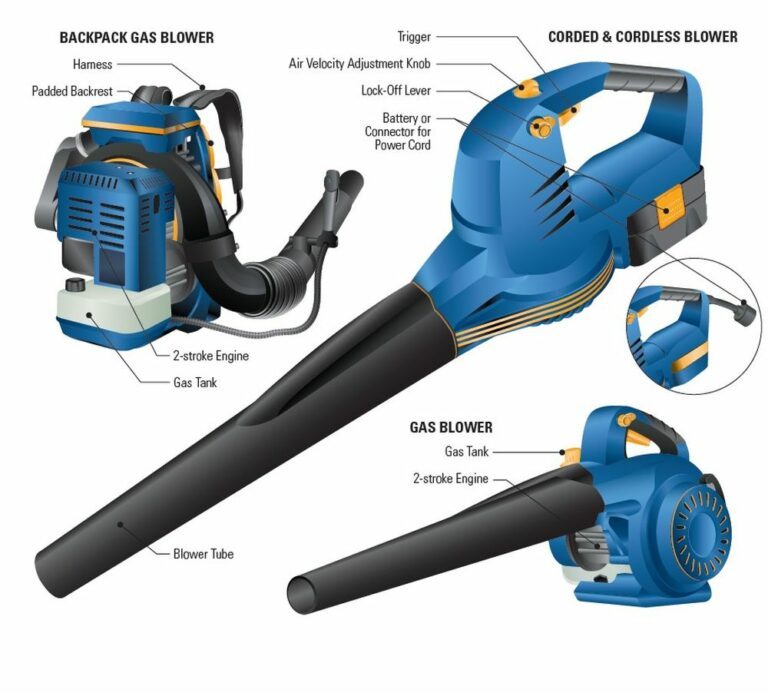
There are three common types of leaf blowers on the market: corded electric; cordless electric (battery powered); and gas.
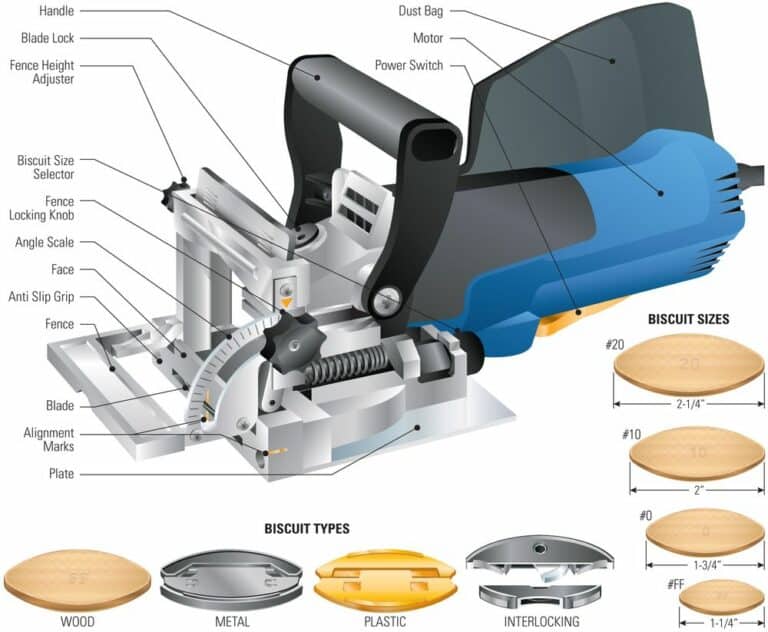
A biscuit joiner (a.k.a. plate joiner) is a good choice for light- to medium-duty joinery. It’s widely used to assemble panels in cabinet carcass construction, window casings, rail and stile doors, face frames, and furniture.