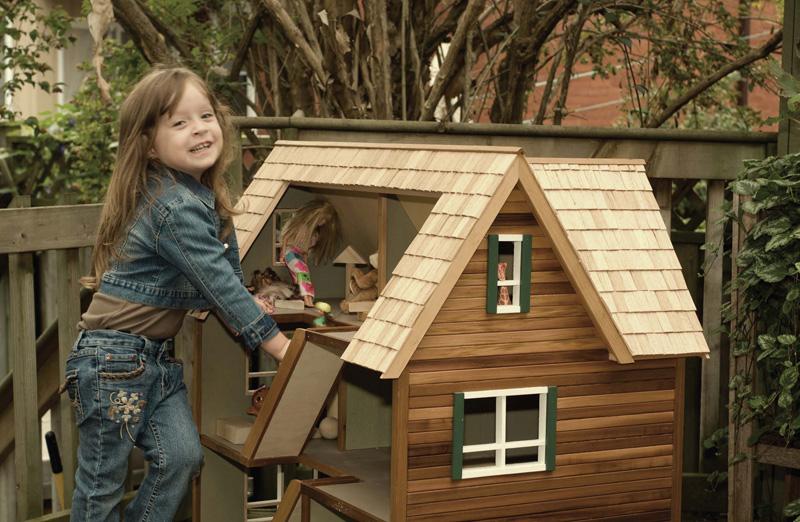
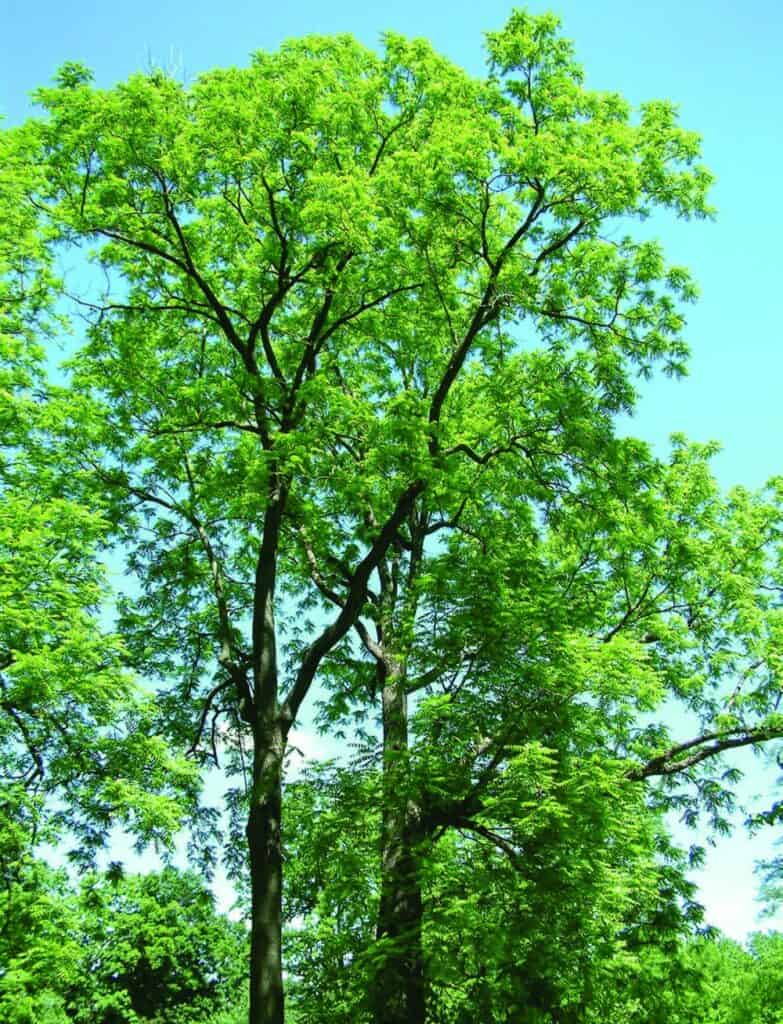
Aromatic red cedar
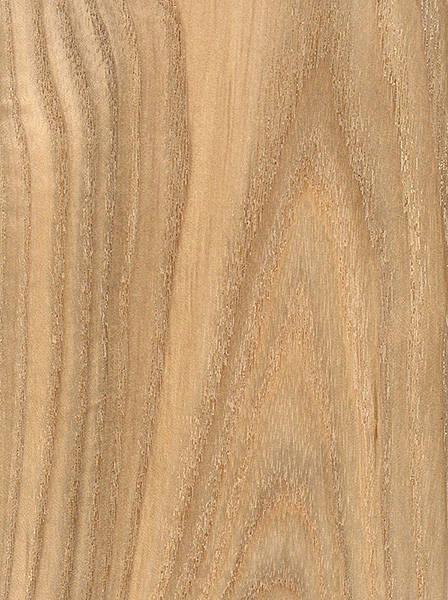
The wood itself is straight grained, but the lumber is usually knotty, so irregular grain is often present.


Peter's woodworking journey began with a career in carpentry followed by a decade buying and selling veneer. His spare time is spent abusing his guitars and exploring the great outdoors.
The wood itself is straight grained, but the lumber is usually knotty, so irregular grain is often present.
With such a distinct figure, lacewood is used for numerous decorative and ornamental objects. It is also in demand as a veneer for interior panelling and furniture.
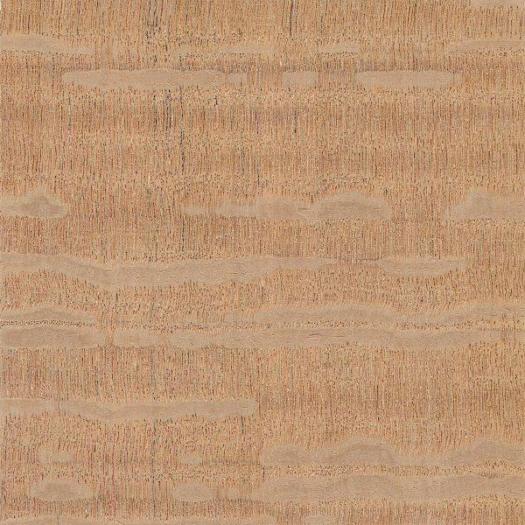
Yellow Cedar has a multitude of uses. It is a joy to work by hand or machine.
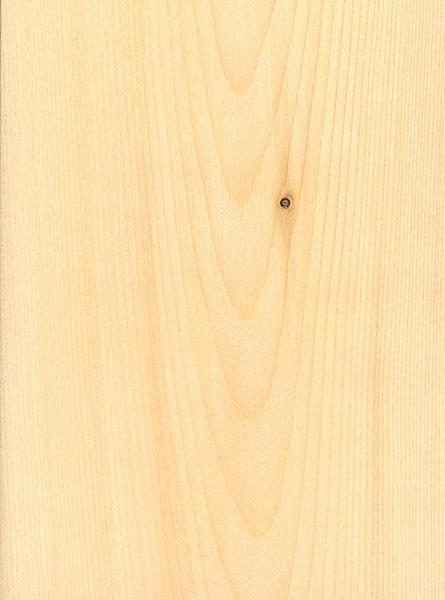
Bamboo is considered a renewable resource, important in this age of dwindling resources. While bamboo itself is inexpensive, most of the manufactured products can be expensive due to the amount of processing required.
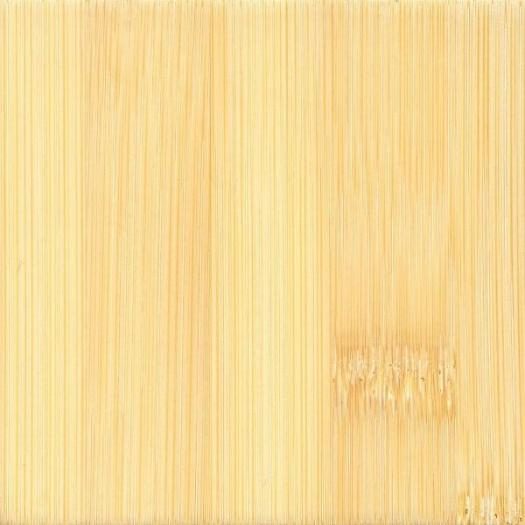
Ambrosia Maple is not a species of maple, rather it is a term that describes a distinctive figure common to soft maples produced by a beetle and a fungus. The overall look is unique; some woodworkers will like it, others may not.
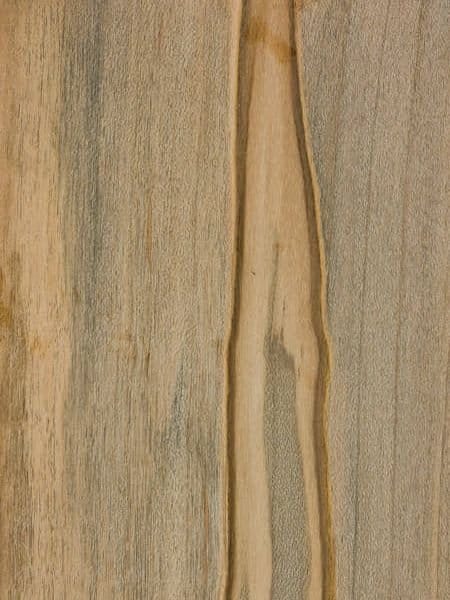
The primary appeal for woodworkers who like to work with the walnuts is Peruvian Walnut's consistent colour and the fact that knot free boards up to 14 inches wide are available.
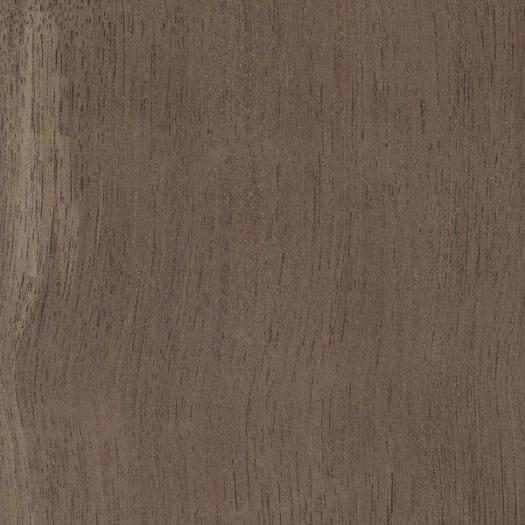
African Walnut, similar to Black Walnut in strength and hardness, is an ideal choice for furniture, cabinetry and turned objects.
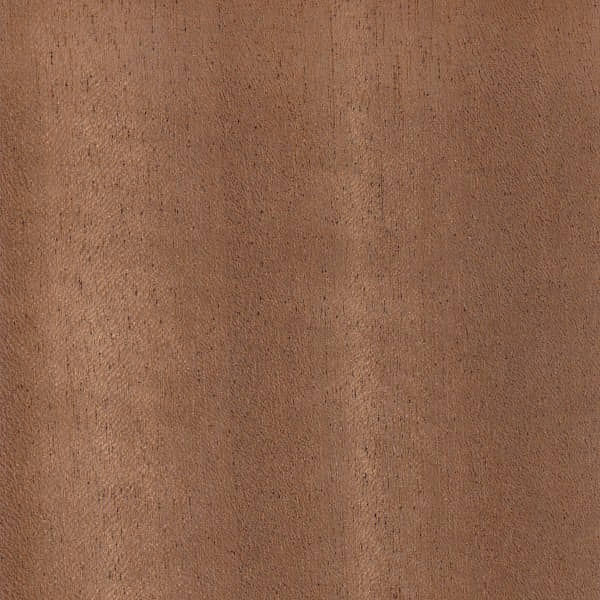
Iroko is a magnificent tree found growing in tropical Africa. Many woodworkers are familiar with it as a substitute for genuine Teak (Tectona grandis).
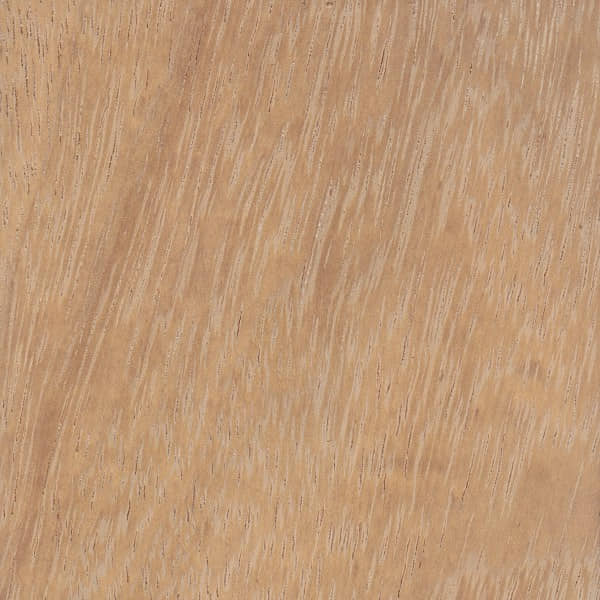
Softwoods have been common in less formal furniture for centuries, and are often great for hidden structural components. Learn more about this wood and how you can best use it to your advantage when in the shop.
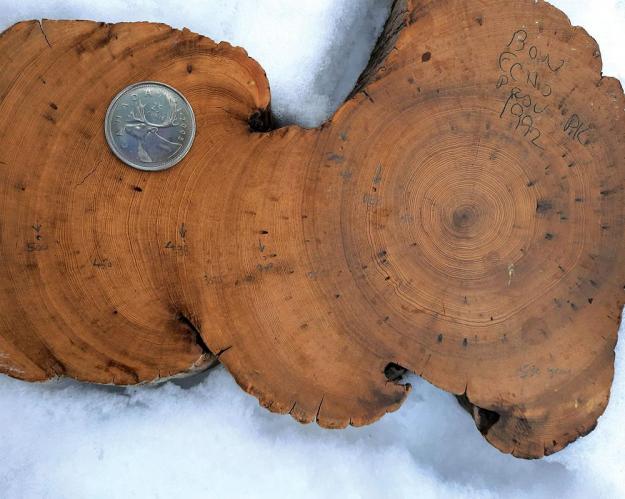
Tamarack may be a softwood but this tree is plenty tough.
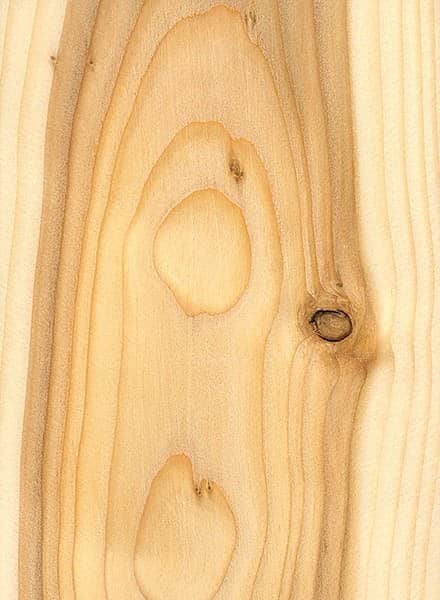
Its appearance is hard to describe given that it’s unique to this species - I like to describe it as a sea of dark lined ‘sugar pops’ swimming on a lustrous undulating white background.
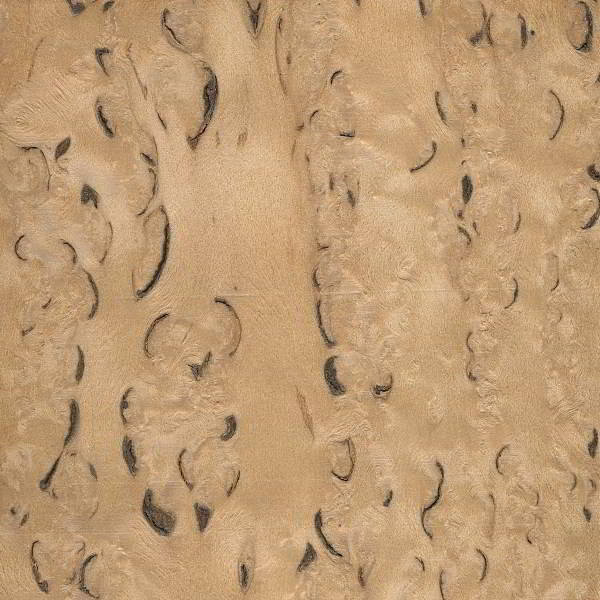
Spalted Maple is not a species of maple. Spalting is a term that refers to the process of decay performed by fungi who earn their living by breaking down and consuming dead wood - but what a process it is!
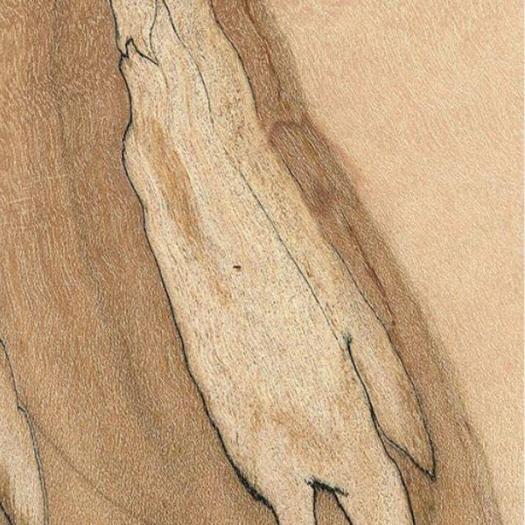
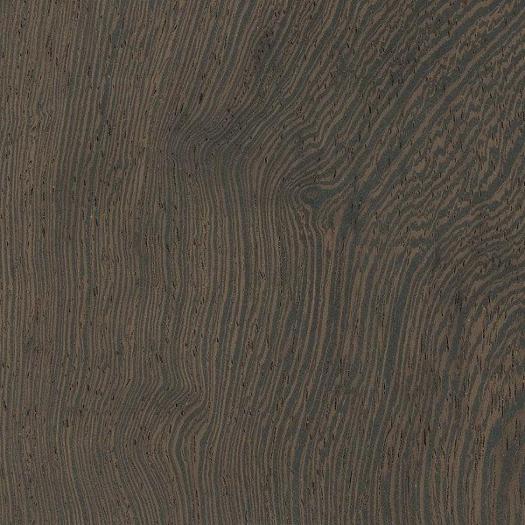
Wenge is one of the most popular of the imported exotic hardwoods. With most hardwoods being light in colour, Wenge is renowned for its rich dark brown heartwood.
The pleasant odour tells us that this specie is a biological chemical factory producing chemicals that inhibit insect attack and decay, making it ideal for shelter construction and shipbuilding.

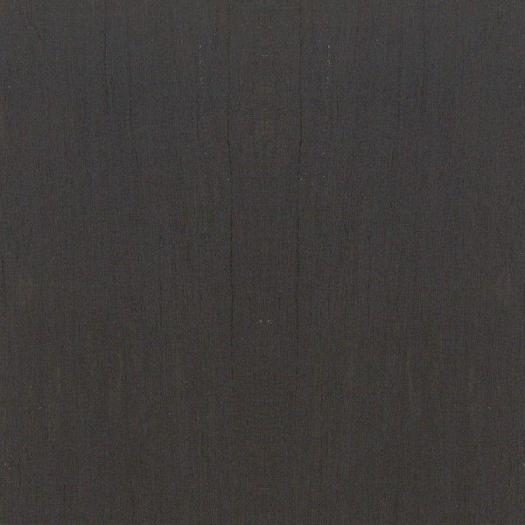
The Greek name for ebony is Diospyros meaning 'fruit of the gods' and this wood is famous for its dark beauty and opulence. Dark woods are rare and many indigenous cultures appreciated the significance of such a unique plant.
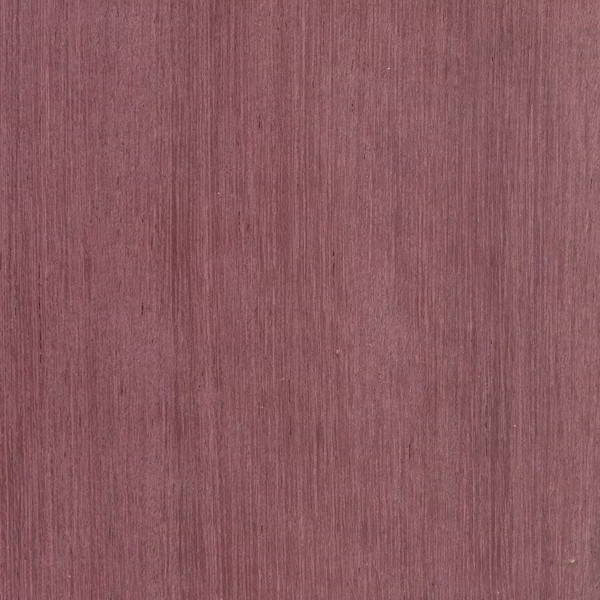
If you’re looking to add some colour to your next project, then consider Purpleheart. It ages to a lovely deep purplish brown.
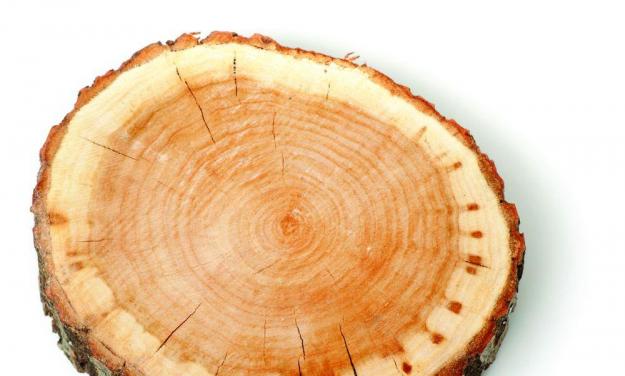
When viewing a cross section of a tree, two coloured circular sections of solid wood are visible. Learn why the tree grew like it did, and how it affects our approach as woodworkers.
There can be no doubt that the Rosewoods are the most valued, most sought after and the most revered of the woods available to the woodworker.
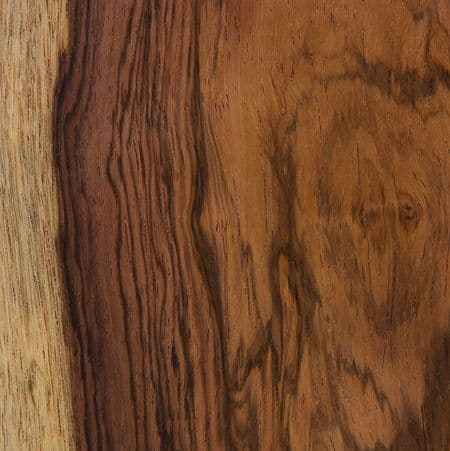
We all know wood is a beautiful material that can be machined, joined, smoothed and finished, but many woodworkers never think of wood in a more scientific way. Let’s take a look at where wood comes from, and why it has certain characteristics.
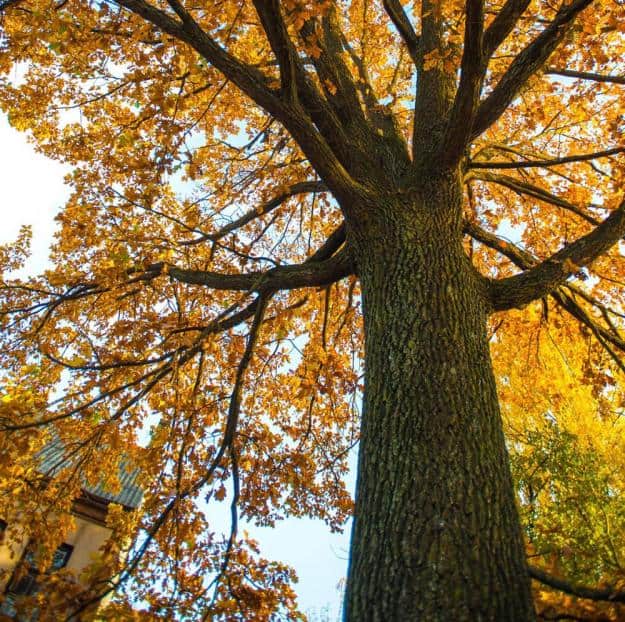
Eye-catching is the best description for Canarywood. The heartwood colouration may vary, but it is always dramatic.
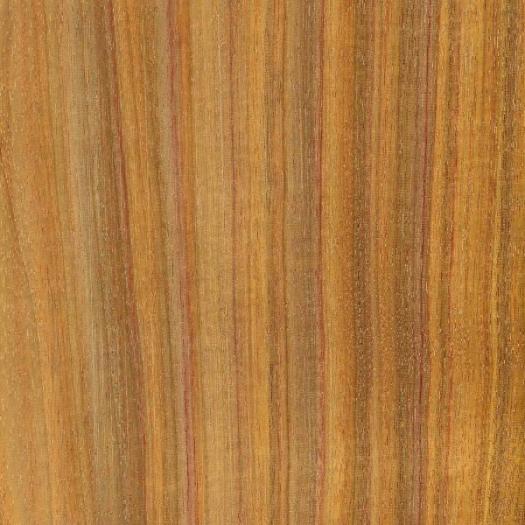
Tamo is a specific term that describes the stunning three-dimensional figure that can appear, very rarely, in some trees of Fraxinus mandshurica also called Japanese Ash.
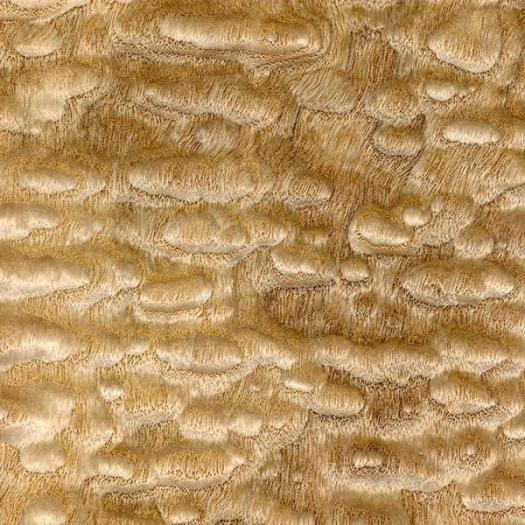
Black Locust is a ring porous wood with large early wood cells and distinct growth rings. The heartwood is a yellowish green to a dark brown and will darken with age.
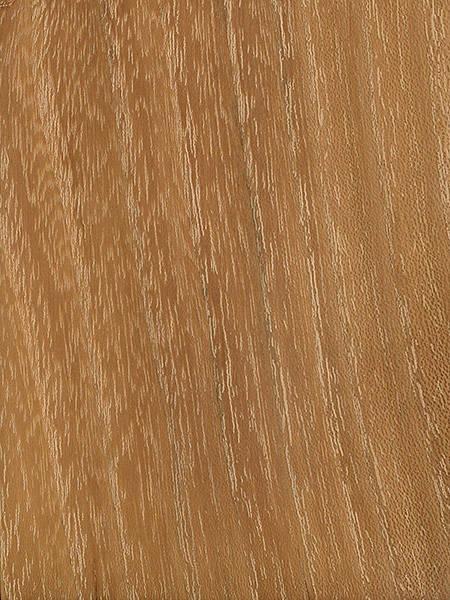
Paulownia is endemic to Southeast Asia and is a widely used and well-regarded hardwood.
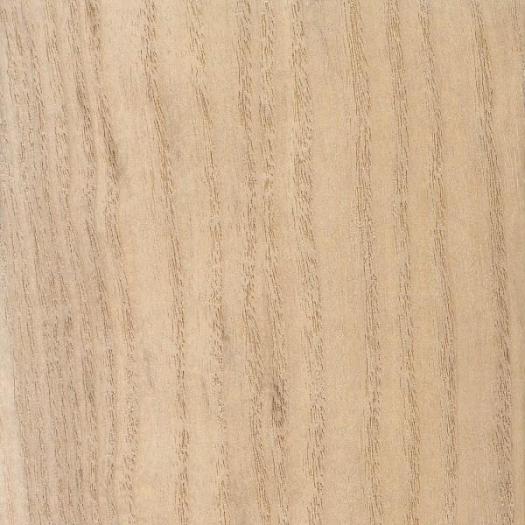
The sapwood is usually a dull white, not the brilliant white found in White Ash. The heartwood is brown and can vary in size dependent on how fast the tree grows.