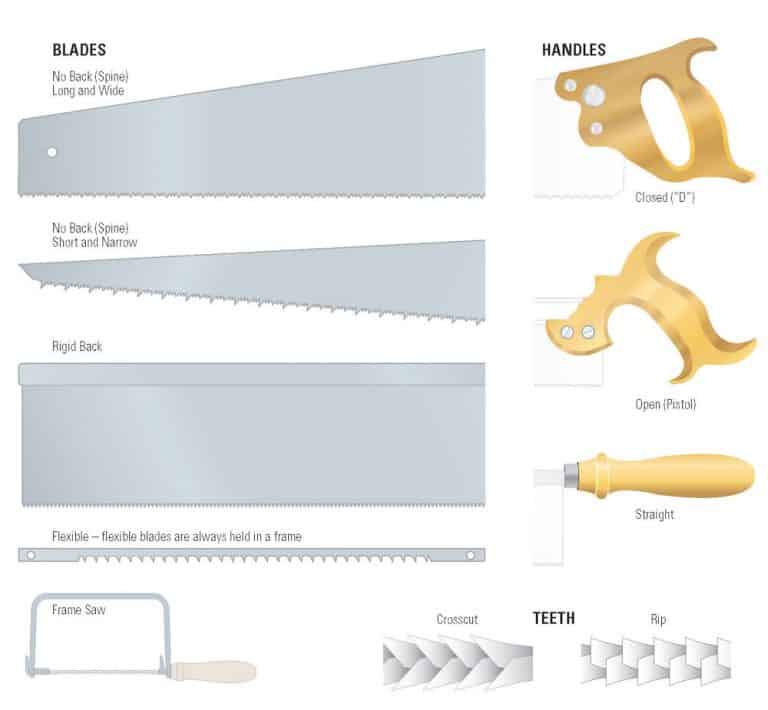
Know Your Tools: Western Style Handsaws


Canadian Woodworking, offers guides to help woodworkers select, use, and maintain their tools effectively and confidently.
Know Your Tools: Western Style Handsaws
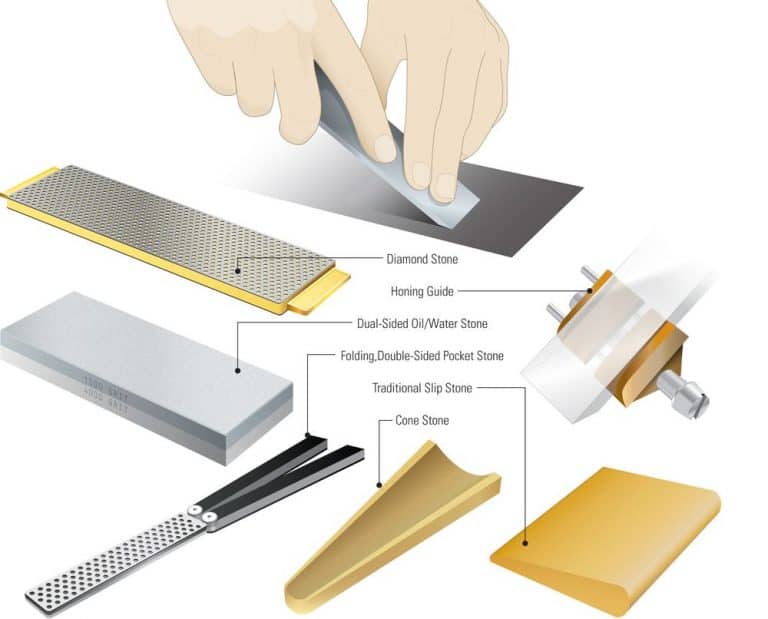
If a hand tool isn't working well consider the sharpness of its cutting edge.
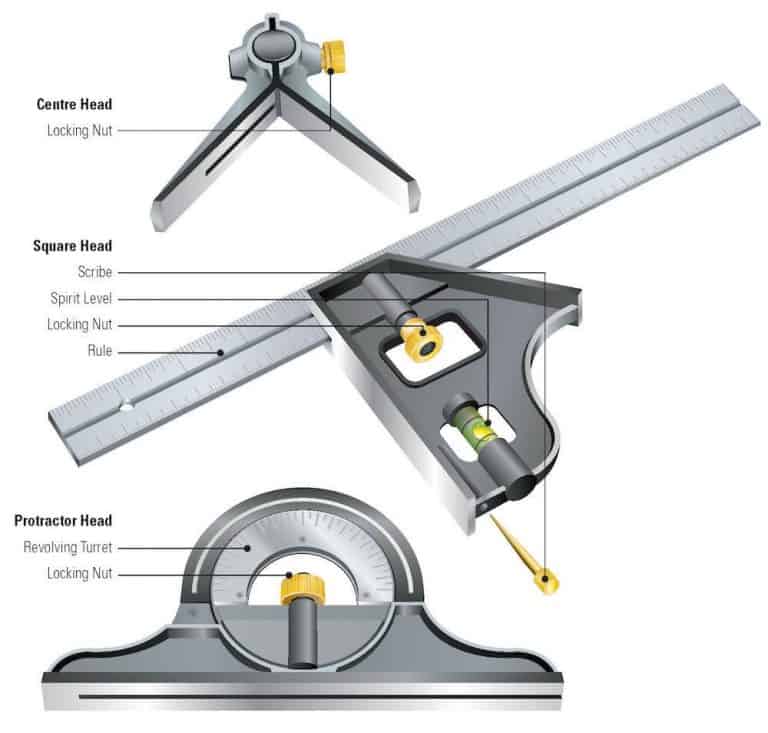
Know Your Tools: This simple looking tool has a lot to offer woodworkers. You already know the basics, but learn about what else this square can help you out with.
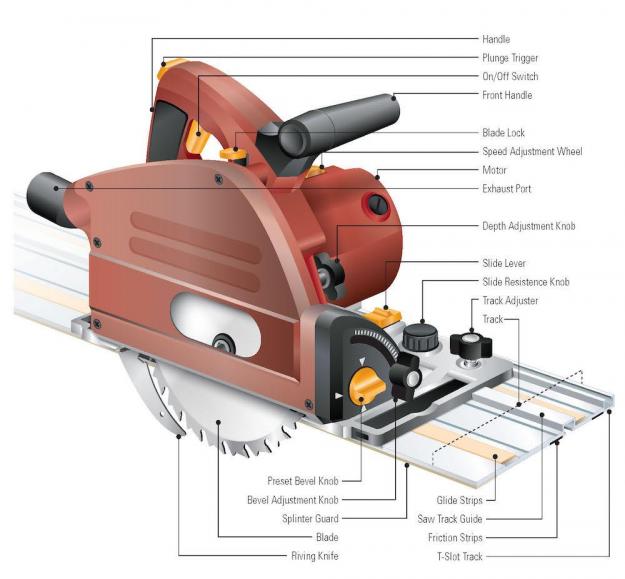
A track saw (aka ‘plunge saw’) is a type of circular saw that makes precise straight cuts by means of a metal track (aka ‘guide rail’).

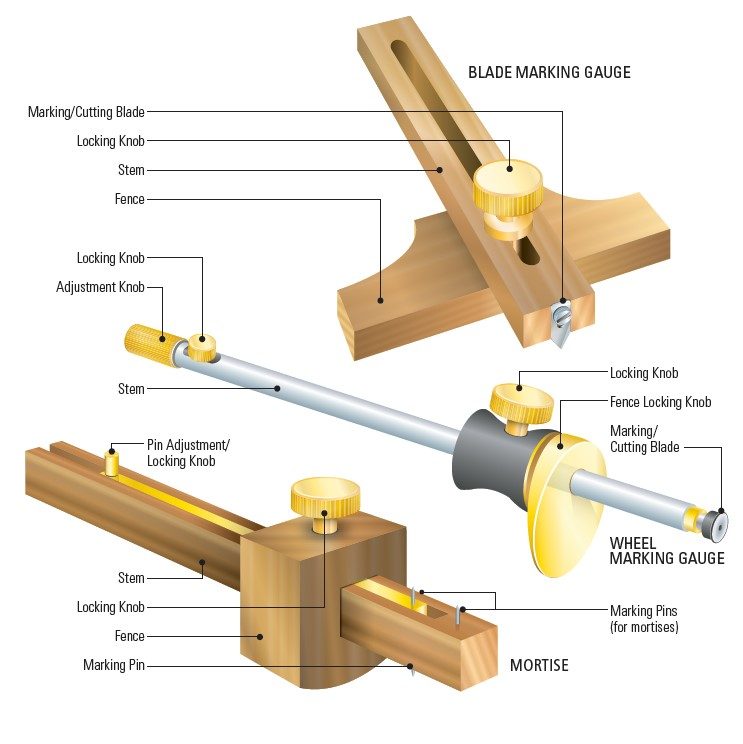
Marking and cutting gauges are precision tools that enable you to scribe lines parallel to the edge of your stock – typically up to about 6" from the edge.
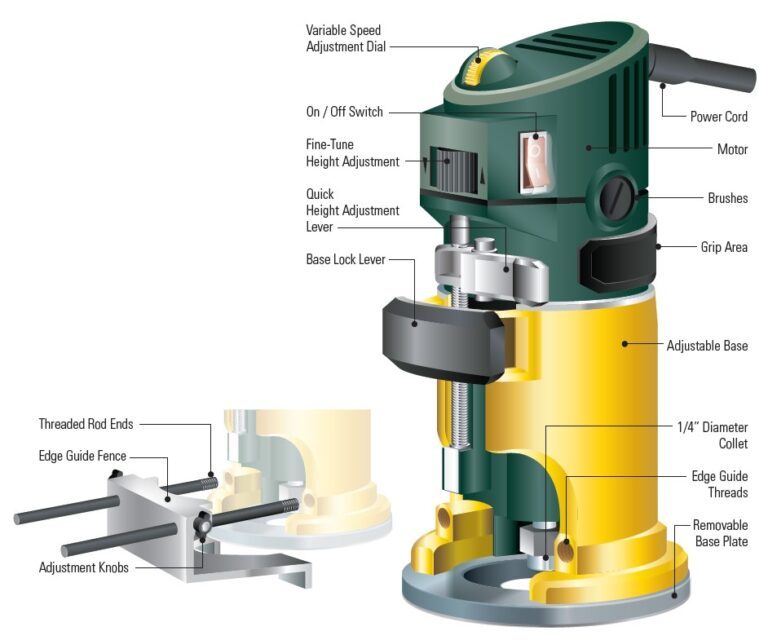
Not only great for trimming plastic laminate, trim routers are a cost effective and easy to use solution for applying smaller routed details to your next project.
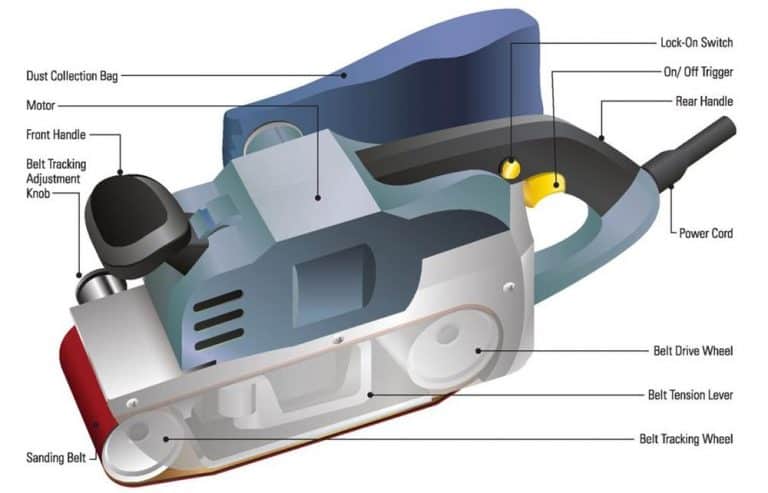
These aggressive sanding machines can work wonders in the shop if you know how to handle them.
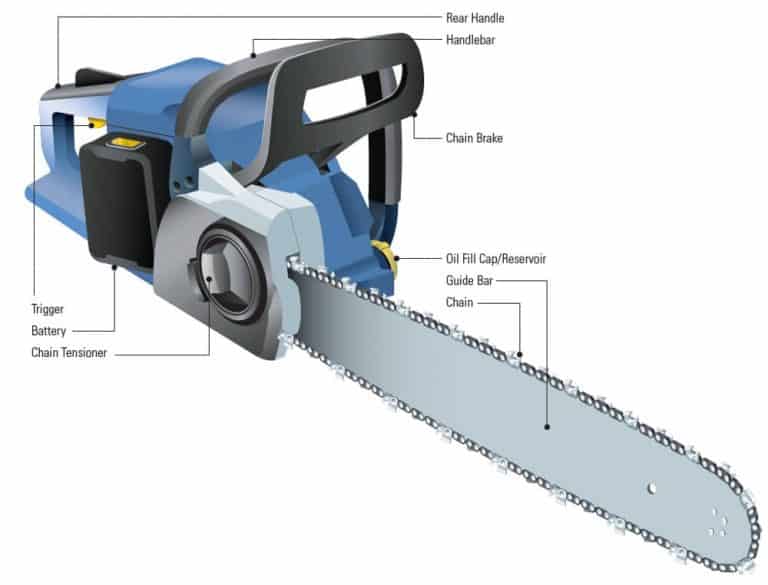
If you have trees on your property a chainsaw can be very handy to have around. Felling trees, trimming branches and cutting up fallen trees are all tasks you may be able to do yourself.
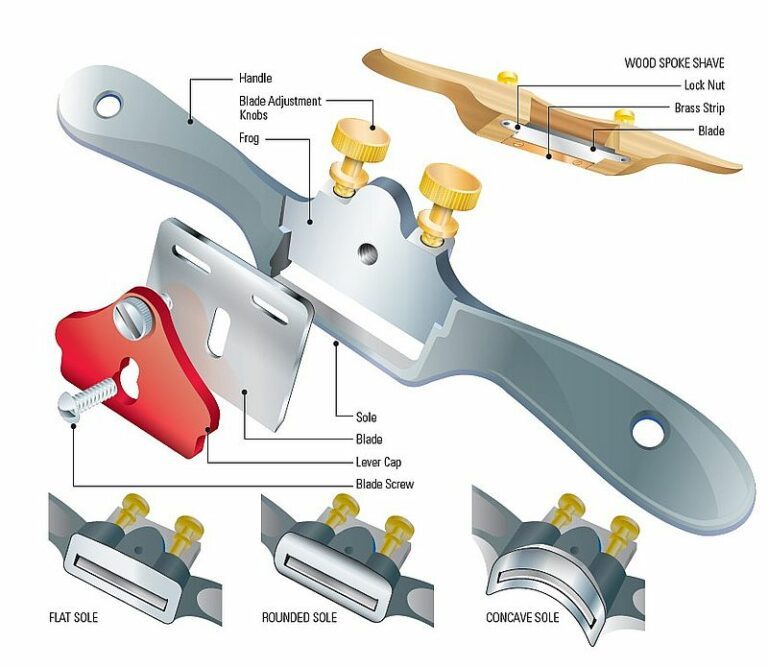
Spokeshaves are as fun to use as they are functional. Get the most from your spokeshave so you can turn it into one of your go-to hand tools.
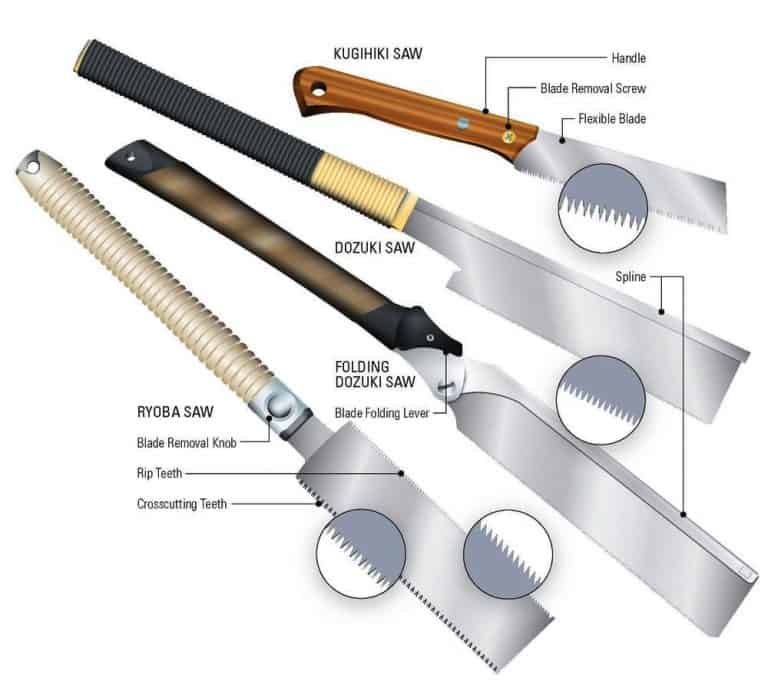
A Japanese saw is a finely crafted tool that creates a very thin kerf and cuts on the pulls stroke.
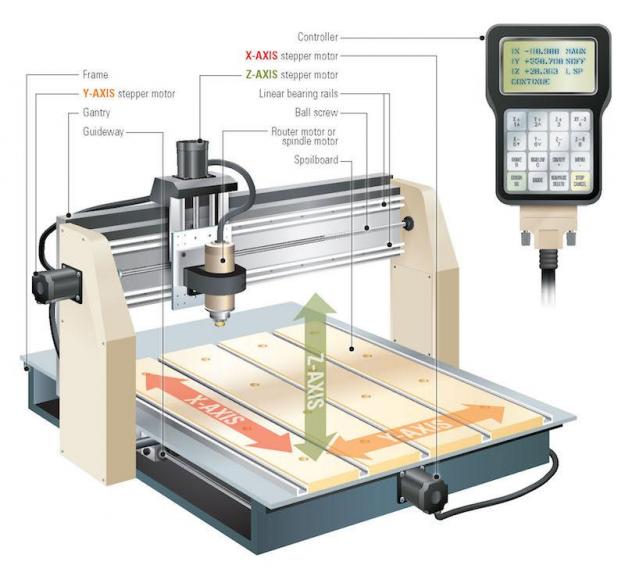
You can think of a benchtop CNC machine as an inverted table router that is controlled by a computer. Instead of the router motor being under the table, it’s on the top.
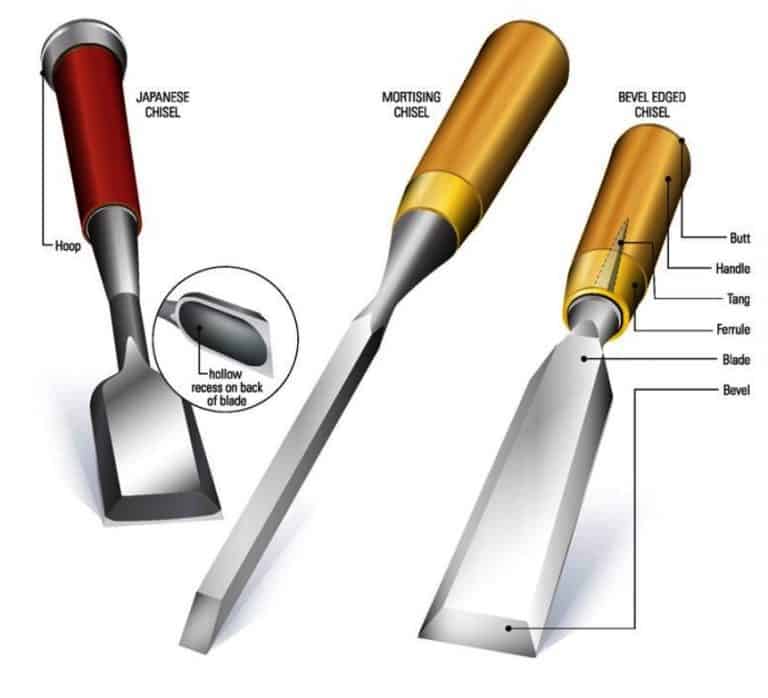
A very simple tool, the chisel’s job is to accurately remove small amounts of wood from a workpiece.
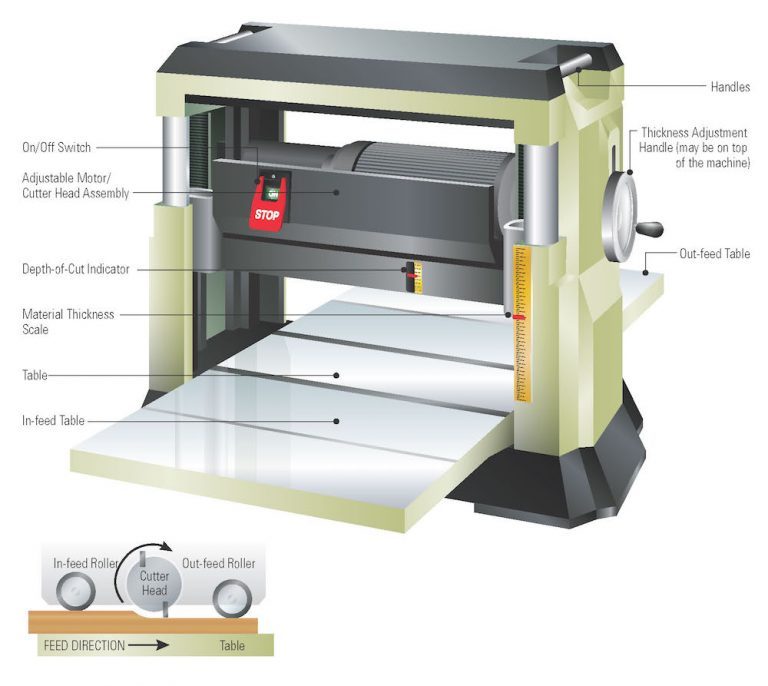
Also called lunchbox planers, a benchtop thickness planer is a cost effective way to machine lumber to final thickness.
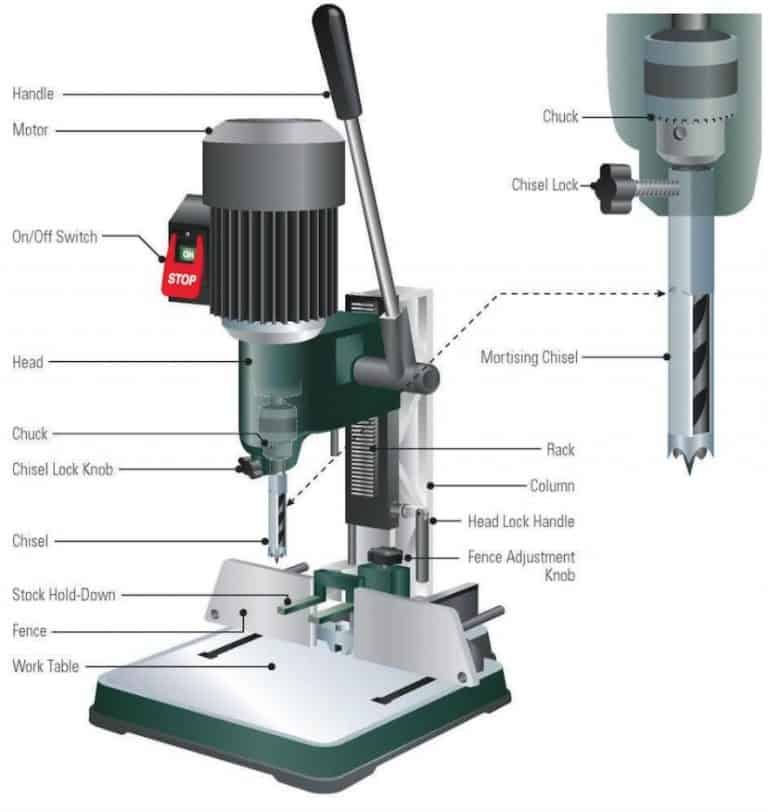
Know Your Tools: Hollow Chisel Mortiser. Invest in premium bits; they’ll last longer and cut cleaner mortises.
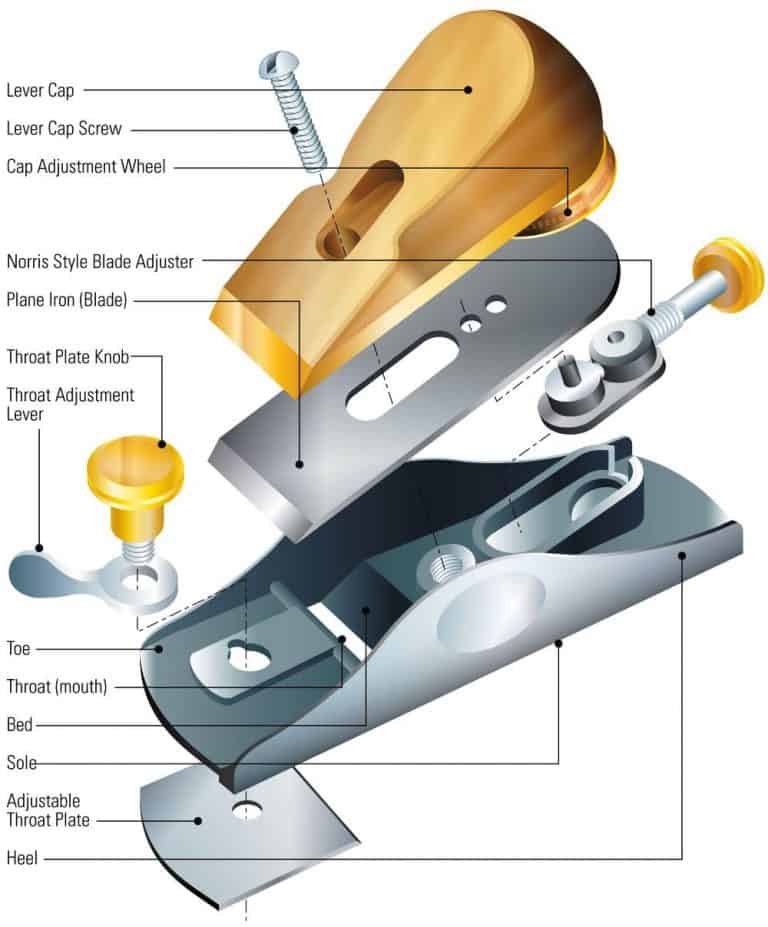
Get the Most Out of Your Block Plane. These are the smallest of regularly used hand planes.