SPONSORED CONTENT
New DEWALT study identifies emerging gap between AI training in trade schools and industry needs

This article sponsored by DEWALT
Survey cites that while the majority of construction pros believe AI will be indispensable within five years, only 16% are currently using AI on the job.
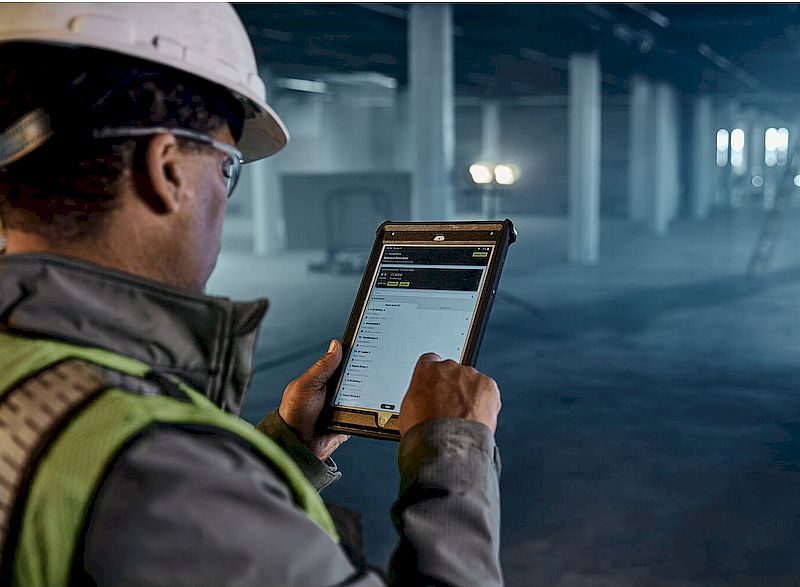
Mississauga, ON., April 23, 2026 – As artificial intelligence (AI) rapidly transforms industries and becomes an essential jobsite tool for construction and industrial businesses, a new national study from DEWALT, Stanley Black & Decker’s (NYSE: SWK) professional brand, reveals an emerging disconnect – the construction workforce is eager for AI, but lacks the hands-on training needed to unlock its full potential.
DEWALT’s AI in the Trades study surveyed construction professionals across the globe. In the Canada, 87% of construction professionals believe AI will be indispensable within five years, yet only 16% currently use AI on the job. The primary barrier to using AI cited by professionals is a lack of formal, job-relevant training. An overwhelming 89% of respondents say AI education must be embedded in trade schools and technical programs, while 62% expressed a need for hands-on training directly tied to real construction tasks.
“Tradespeople are the backbone of our industry, and their hands-on expertise is what brings every project to life. As jobsites become increasingly complex and technology-driven, the need for practical AI training has never been more important,” said Bill Beck, President, Tools & Outdoors, Stanley Black & Decker. “Our research shows that trades professionals are eager to develop and apply AI skills that will enhance their effectiveness and adaptability on the jobsite. Yet, too many still lack access to this essential training. At DEWALT, we believe that empowering our workforce with AI education is not just about keeping pace with technology – it’s about equipping tradespeople with the tools and knowledge they need to solve real-world challenges, drive productivity, and lead the industry forward.”
Key Findings of the DEWALT AI in the Trades Survey
1. AI is rapidly expanding on the jobsite
- 86% to 92% expect adoption to increase over the next year
- 84% to 87% say AI will be standard within three years
- 87% believe it will be indispensable within five years
2. Belief in AI’s potential is meaningful, but everyday use remains limited
- 47% are piloting and researching AI
- Only 16% say AI is part of their day-to-day work currently
3. For Early Adopters, Jobsite Workflows Come First
- 45% report exploring AI in site operations and monitoring
- 49% report leveraging it in the planning and design phase of projects
- 31% are using AI to help with estimation, procurement, and supply chain processes
Training is the Missing Link in AI Adoption
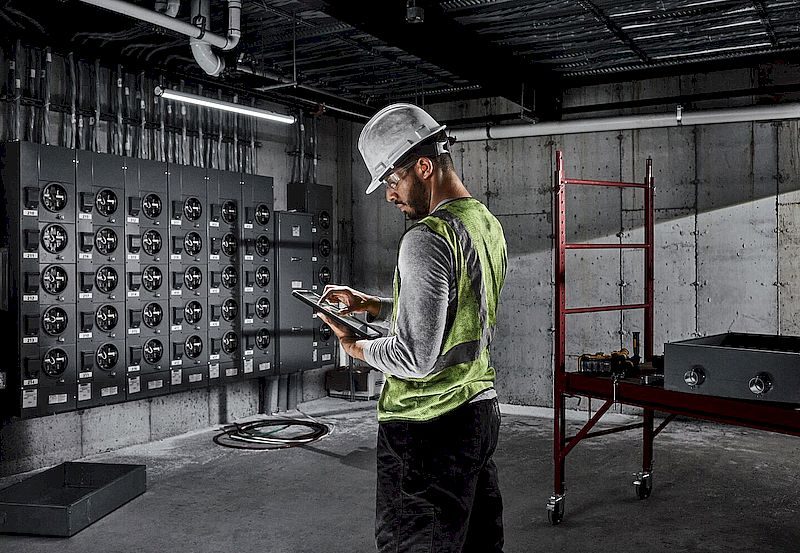
While 87% of construction professionals expressed feeling somewhat or very prepared to work with AI, most cited fragmented, informal learning as a barrier. Currently, tradespeople rely heavily on self-directed resources such as YouTube (40%) and online platforms like Coursera (39%) for AI education. Video tutorials are also popular, with 42% citing them as a preferred learning method*.
Among early adopters, the top benefits cited include increased productivity (35%), cost savings (36%), and improved quality control (37%).
For more information on DEWALT products and solutions, visit: www.dewalt.ca
*US Survey statistic, does not include Canada
Methodology
The survey was conducted online in six countries in December 2025 among skilled trade workers and decision‑makers working from small, medium and large companies across residential, commercial and industrial construction.
Skilled trade respondents included carpenters, concrete workers, electricians, HVAC technicians, plumbers, drywall installers, general contractors and construction technicians. Decision‑makers included professionals in business leadership, project and site leadership, design and engineering, safety and compliance, procurement, and logistics. This report includes findings for Canada exclusively. In total, 452 answered the survey in Canada, including 229 skilled trade workers (50%) and 233 decision-makers (50%).