SPONSORED CONTENT
Where to buy tools in Canada

This article sponsored by Equipement Industriel Polar
Discover where to buy tools in Canada with this practical guide for woodworkers. Learn how to choose the right supplier based on availability, price, and expertise.
How to choose the right supplier for quality, price and availability
For many Canadian woodworkers and tradespeople, buying tools is not just about finding the lowest price. It is about ensuring the right tool is available at the right time, performs reliably, and supports long-term productivity.
Yet, choosing where to buy tools in Canada has become more complex. Between big box retailers, online marketplaces, and specialized suppliers, each option comes with trade-offs that are not always obvious upfront.
This guide breaks down how to evaluate a tool supplier properly. Whether you are a serious DIYer or a professional, the goal is simple: help you make better purchasing decisions and avoid costly mistakes.
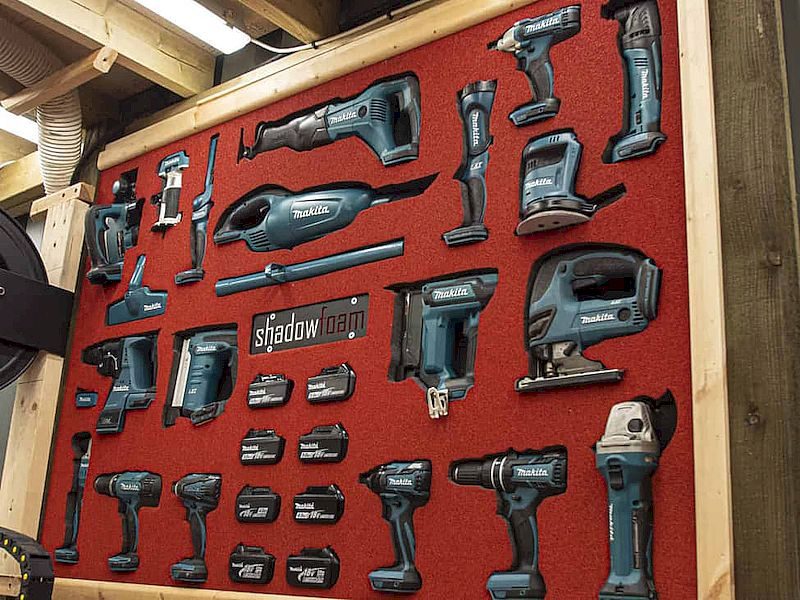
Understanding your options: where to buy tools in Canada
Big Box Retailers
Large retailers such as home improvement chains are often the first stop for many buyers.
Advantages
- Easy access across most regions
- Broad range of general tools
- Immediate in-store pickup
Limitations
- Limited depth in professional-grade inventory
- Inconsistent availability of specific models
- Staff may not specialize in advanced tool applications
These stores are convenient, but they are not always optimized for professionals who rely on specific tools being in stock.
Online marketplaces
Online platforms offer convenience and variety.
Advantages
- Fast ordering process
- Competitive pricing on certain items
- Wide selection across categories
Limitations
- Variable product quality depending on sellers
- Limited technical support
- Warranty and returns can be more complex
For standard purchases, marketplaces can work well. However, for high-performance or specialized tools, the risks can outweigh the benefits.
Specialized tool suppliers in Canada
Specialized suppliers focus specifically on professional tools and equipment.
Advantages
- Access to trusted brands such as Makita, Milwaukee, and DeWalt
- Deeper inventory of professional-grade products
- Better technical knowledge and support
For many professionals, this is where the most consistent value is found when buying tools in Canada.
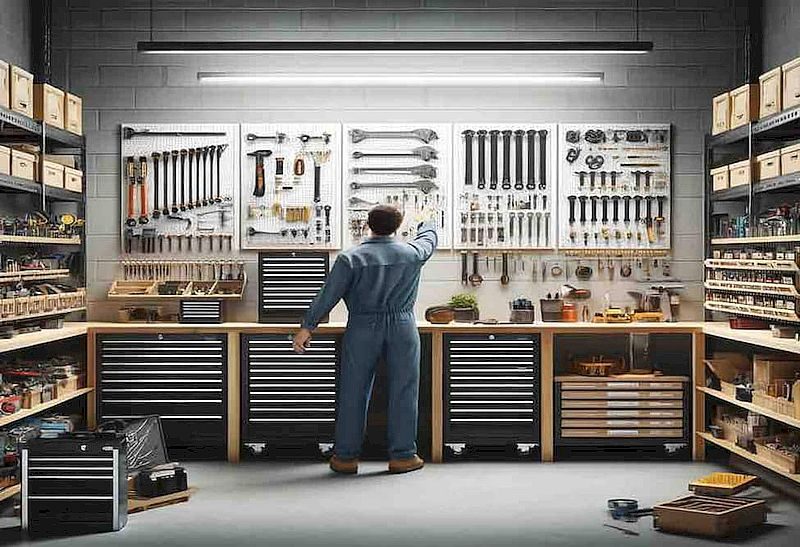
Key criteria to choose the right tool supplier
Inventory depth and availability
One of the most overlooked factors is stock availability. A supplier with deep inventory reduces:
- Project delays
- Downtime on job sites
- The need to compromise on tool choice
In many cases, availability is more valuable than a small price difference.
________________________________________
Quality of brands offered
Not all tools are built for the same level of use. Professional-grade brands are designed for:
- Durability under heavy use
- Consistent performance
- Long-term cost efficiency
Choosing the right supplier ensures access to these brands rather than lower-quality alternatives.
Pricing consistency and value
The lowest price is not always the best value. Consider:
- Long-term durability
- Replacement frequency
- Hidden costs (returns, shipping delays, downtime)
A reliable tool supplier in Canada should offer competitive pricing while maintaining quality standards.
Delivery speed and logistics
In Canada, shipping speed matters. Delays can:
- Slow down projects
- Impact deadlines
- Increase operational costs
Suppliers with efficient logistics and reliable delivery systems provide a clear advantage.
Technical Expertise and Support
For more advanced tools, guidance matters. A knowledgeable supplier can:
- Recommend the right tool for the job
- Help avoid costly mistakes
- Provide post-purchase support
This is often a major differentiator between general retailers and specialized suppliers.
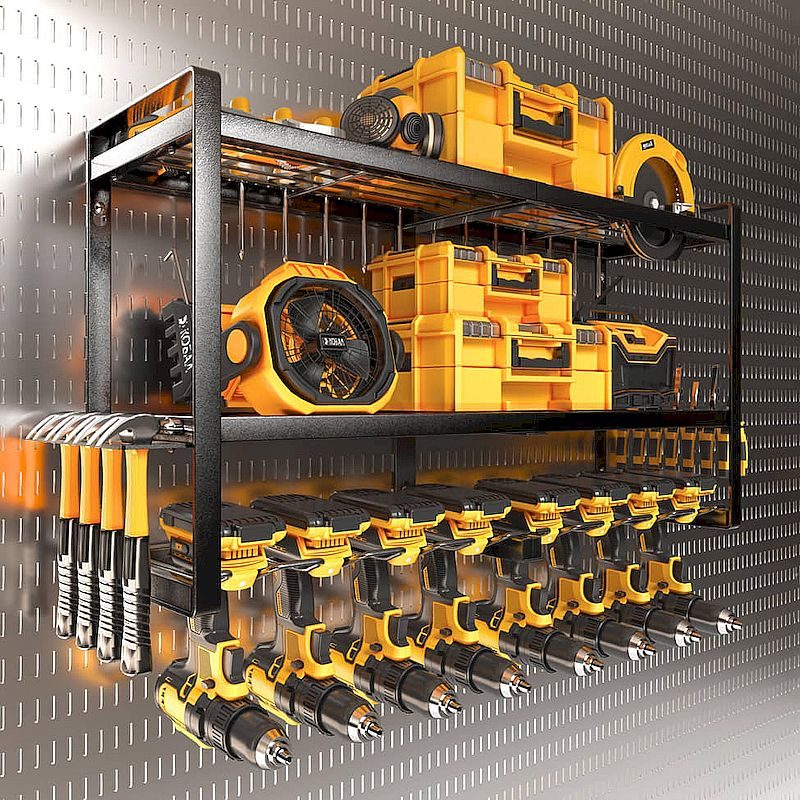
Big box vs specialized tool suppliers: what actually matters
When Big Box Stores Make Sense
- Quick purchases
- Basic tools
- Immediate local availability
When specialized suppliers are better
- Professional or frequent use
- Need for specific models or configurations
- Bulk or repeat purchases
The long-term perspective
A cheaper tool that fails quickly often costs more in the long run. Reliability, availability, and support tend to have a greater impact on productivity than upfront savings.
Common mistakes when buying tools in Canada
Choosing based only on price
Low-cost tools can lead to higher long-term expenses due to replacements and inefficiencies.
Ignoring availability
Backorders and delays can disrupt entire workflows.
Overlooking expertise
Without proper guidance, it is easy to select tools that are not suited to the task.
Neglecting after-sales support
Warranty and service support are critical, especially for professional users.
What sets the best tool suppliers apart
The most reliable suppliers typically share a few characteristics:
- Consistent access to professional-grade inventory
- Strong relationships with major brands
- Fast and dependable shipping
- Knowledgeable customer support
These factors directly impact both short-term efficiency and long-term performance.
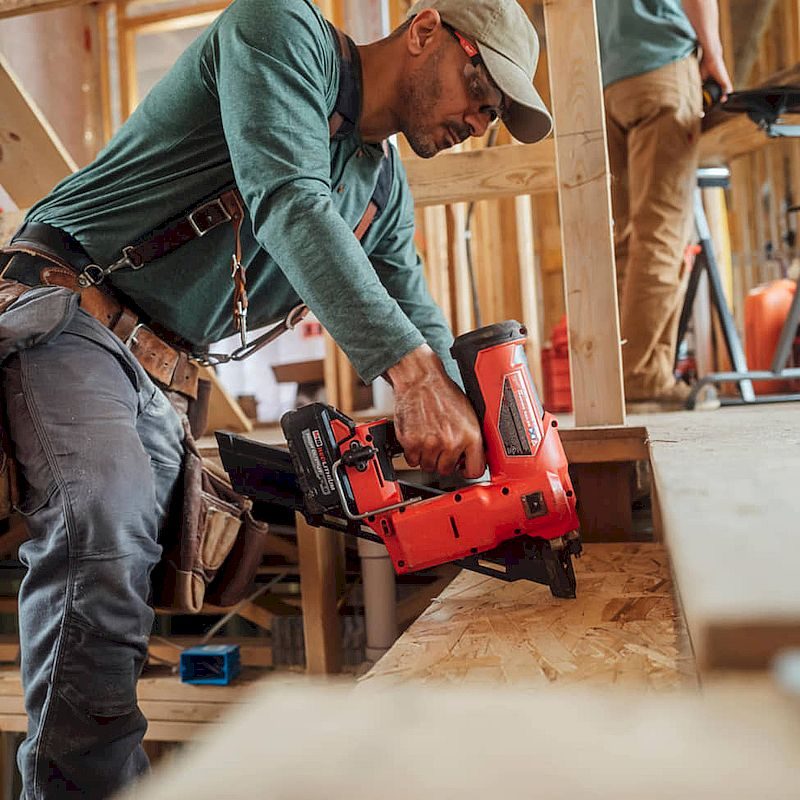
Example of a Specialized Supplier in Canada
Case Example: Équipement Polar
Some specialized suppliers illustrate how these criteria come together in practice.
Équipement Polar focuses on professional tools and industrial equipment, offering a wide selection of recognized brands and prioritizing product availability across Canada. This type of supplier is designed for users who depend on reliable access to tools without delays.
Checklist: how to choose the right tool supplier
Before making a purchase, consider the following:
- Does the supplier carry professional-grade brands?
- Are key products consistently in stock?
- Is delivery reliable and reasonably fast?
- Are prices competitive over time, not just initially?
- Can you access knowledgeable support if needed?
Using this checklist can significantly improve purchasing decisions.
Conclusion
Choosing where to buy tools in Canada depends on more than convenience or price alone. Availability, quality, expertise, and reliability all play a critical role.
For occasional purchases, general retailers may be sufficient. However, for professionals and serious users, specialized suppliers often provide better long-term value.
Making informed decisions about where to buy tools leads to better performance, fewer delays, and greater efficiency over time.